Blog
Measure a Custom Varsity Jacket at Home

Step-by-Step Guide to Measure a Custom Varsity Jacket at Home
Achieving the perfect fit for a custom varsity jacket begins long before the first stitch is made—it starts with the precision of your measurements. Many enthusiasts of custom varsity jackets invest in quality materials and beautiful design only to be disappointed by a fit that doesn’t match their expectations. The truth is, even the most beautifully crafted letterman jacket will fail to satisfy if the foundational measurements are inaccurate. This comprehensive guide will walk you through the exact process professional tailors use, adapted for the home environment, ensuring your investment results in a garment that fits as flawlessly as it looks.
Understanding how to measure a custom varsity jacket at home eliminates the guesswork and anxiety that often accompanies online custom apparel purchases. Whether you’re creating a traditional baseball jacket for personal wear, coordinating school jackets for a team, or designing a special college jacket to commemorate your alma mater, the principles of accurate measurement remain the same. With the right techniques and attention to detail, you can provide measurements that translate into a jacket fitting with the precision of in-person tailoring. Let’s begin by gathering the simple tools that will make this process both accurate and straightforward.
Ready to transform your jacket idea into reality? Start Your Custom Design Here
Essential Tools for Accurate Home Measurements
What You’ll Need
Gathering the proper tools before beginning your measurement process ensures accuracy and consistency. The most essential item is a flexible, non-stretch measuring tape—preferably one designed for tailoring, featuring both imperial and metric measurements. If you don’t have a professional measuring tape, a piece of non-stretch string and a ruler can serve as a reliable alternative. You’ll also need a full-length mirror to verify tape positioning and posture, and a notepad or digital device to record measurements immediately as you take them.
Several optional tools can enhance your measuring precision. A second person to assist with measurements, particularly for hard-to-reach areas like shoulder width and back length, can significantly improve accuracy. A well-fitting t-shirt or thin sweater to wear during measurement provides consistent reference points without adding bulk. A chair or stool may be helpful for certain measurements, and good lighting ensures you can clearly see measurement markings. Avoid using rigid rulers or construction tapes, as they cannot follow the body’s contours accurately.
Creating the right environment for measurement affects your results more than you might expect. Choose a room with ample space to move naturally, and ensure the temperature is comfortable—neither too cold nor too warm, as extreme temperatures can affect your posture and muscle tension. Remove bulky outerwear and empty your pockets to eliminate artificial bulk. The goal is to measure your natural body shape without compression or distortion from clothing or environment. This careful preparation lays the groundwork for measurements that will result in a perfectly fitting personalized jacket.
Preparation Guidelines
What you wear during measurement significantly impacts the accuracy of your results. Opt for fitted but not tight clothing—a t-shirt and leggings or slim-fitting trousers work perfectly. Avoid baggy sweatshirts, jeans with thick seams, or multiple layers that add artificial bulk. If you typically wear specific layers beneath your jackets, such as a dress shirt or light sweater, you may want to measure while wearing these items, but be consistent and note this in your records.
Your posture during measurement is equally crucial. Stand naturally with your weight evenly distributed on both feet, shoulders relaxed but not slouched, and arms at your sides. Look straight ahead rather than down at the measuring tape, as head position affects neck and shoulder alignment. Breathe normally—don’t hold your breath or suck in your stomach, as this creates measurements for an unnatural body position. If you’re being assisted, ensure your helper understands these posture guidelines to obtain consistent results.
Timing considerations can surprisingly affect body measurements. Many people experience slight swelling throughout the day, particularly in the extremities. For the most consistent results, take measurements in the morning when your body is at its most neutral state. Avoid measuring immediately after exercise, a large meal, or while dehydrated. If you’re creating custom jackets for a team or group, try to coordinate measurement sessions at similar times of day for all members to maintain consistency across the order.
Ready to start measuring? Download Our Printable Measurement Worksheet
Core Body Measurements: The Foundation
Chest and Torso Measurements
The chest measurement serves as the cornerstone for any varsity jacket fitting. To find your natural chest line, locate the fullest part of your chest, typically across the nipple line for men and just under the arms at the bust point for women. Wrap the measuring tape around your body at this point, ensuring it remains parallel to the floor all the way around. The tape should be snug enough not to slide down but loose enough that you can fit a finger between the tape and your body. Take this measurement with your arms at your sides, then check it again with your arms slightly raised to ensure the tape hasn’t shifted.
Proper tape positioning requires particular attention at the back. Many people unconsciously allow the tape to ride up in the back, creating an inaccurate measurement. Use a mirror to verify the tape remains level all around your torso. Common mistakes include pulling the tape too tightly (creating a measurement that won’t allow for comfortable movement), measuring over bulky clothing, or holding your breath during measurement. For custom varsity jackets, we typically recommend adding 2-4 inches of ease to your actual chest measurement, depending on how you plan to layer beneath the jacket.
Understanding ease—the difference between your body measurement and the garment measurement—is essential for comfort and function. A jacket that matches your exact chest measurement will feel restrictive and limit movement. The appropriate ease allows for a shirt or light sweater underneath while maintaining the jacket’s structured appearance. When you submit measurements to our custom design team, we automatically calculate appropriate ease based on your jacket style and stated layering preferences, transforming your body measurements into perfect garment dimensions.
Shoulder and Back Measurements
Shoulder measurement represents one of the most critical yet challenging dimensions for proper jacket fit. To locate your natural shoulder points, feel for the bony protrusions at the tops of your shoulders where the arm meets the torso. Have your assistant place their fingers on these points, then measure straight across your back from one point to the other. This measurement determines where the sleeve seam will sit—too narrow, and the jacket will constrict movement; too wide, and it will look sloppy and ill-fitting.
Measuring across the back correctly requires attention to the natural slope of your shoulders. Some people have square shoulders that create a nearly straight line, while others have more sloping shoulders that require the tape to follow a gentle curve. The tape should rest lightly on your skin without pressing down or pulling up at the center of your back. For those measuring alone, an effective technique involves marking your shoulder points with a washable marker on a well-fitting t-shirt, then measuring between the marks after removing the shirt.
Why shoulder measurement proves particularly crucial for letterman jackets relates to their traditional raglan sleeve construction. Unlike set-in sleeves that join at the shoulder seam, raglan sleeves extend in one continuous piece to the collar, making shoulder width even more critical for proper drape and comfort. Different shoulder types—broad, narrow, square, or sloping—require specific pattern adjustments that our manufacturers account for when creating your personalized jacket. Accurate shoulder measurement ensures the jacket hangs correctly from this foundational point.
Arm and Sleeve Measurements
Sleeve Length Precision
Sleeve length can make or break the appearance of a baseball jacket. To find your starting point, locate the bony protrusion at the top of your shoulder—the same point identified during shoulder measurement. Place the end of your measuring tape here, then run it down your arm, following the natural curve over the elbow, to your wrist bone. Your arm should be slightly bent at the elbow during this measurement, as a completely straight arm creates an artificially long measurement that won’t account for natural movement.
Following the arm’s natural curve ensures the sleeve will have proper articulation when you move. Many people make the mistake of measuring in a straight line from shoulder to wrist, which creates a sleeve that pulls across the elbow when bent. For a more accurate measurement, have your assistant gently press the tape along the outside curve of your arm while maintaining its natural relaxed position. This extra attention to detail separates adequate measurements from professional-grade ones that result in perfectly fitting custom jackets.
Accounting for shoulder seam placement is another consideration often overlooked in home measurements. Traditional varsity jackets feature the sleeve seam extending several inches down the arm from the shoulder point, which affects the functional sleeve length. When you provide your sleeve measurement to experienced manufacturers like Design Varsity Jackets, our pattern makers automatically adjust for this construction detail. However, noting whether you prefer your sleeves to end at the wrist bone or slightly longer can help fine-tune the final fit to your personal preference.
Bicep and Wrist Measurements
Bicep circumference determines the width of your jacket sleeves, affecting both comfort and appearance. Measure around the fullest part of your upper arm with your muscle relaxed—not flexed. The tape should be parallel to the floor and snug without compressing the muscle. If you have particularly developed arms or plan to wear thick layers beneath your jacket, you may want to measure with a light sweater on to ensure adequate room. This measurement ensures your varsity jacket sleeves won’t feel restrictive during movement.
Wrist measurement guides the cuff width, though most traditional varsity jackets feature ribbed cuffs with natural elasticity. To measure your wrist circumference, wrap the tape around the bone just below your hand. Note whether you prefer a snug or loose fit at the wrist, as this preference can be accommodated in custom orders. Understanding sleeve width preferences involves considering both current measurements and how you intend to wear the jacket. Some prefer a closer fit through the arm, while others prioritize ease of movement over a tailored appearance.
The distinction between relaxed and flexed measurements matters most for athletic individuals or those ordering jackets for specific activities. If you’re creating school jackets for a sports team, players might need additional ease in the bicep area to accommodate muscle development during the season. Our bulk order specialists often recommend different measurement approaches for athletic versus casual jackets, ensuring each team member receives a garment that supports their movement while maintaining team uniformity.
Need help with tricky measurements? Message Our Experts on WhatsApp
Torso Length and Jacket Fit
Jacket Length Determination
Where your custom varsity jacket should end depends on both current fashion and personal preference, but traditional guidelines provide a helpful starting point. For a classic fit, the jacket should end at your natural waistline or just below it—approximately where your wrist falls when your arms are at your sides. To measure jacket length, start at the base of your neck (where the collar would sit) and measure down your back to your desired endpoint. This measurement creates the center back length that determines overall jacket proportion.
Measuring from the correct starting point ensures consistent results. Many people mistakenly start too high on the neck or too low on the shoulder. The proper beginning point is the prominent bone at the base of your neck (the seventh cervical vertebra), which you can feel by tilting your head forward and locating the most prominent bump. From this point, the tape should follow your spine’s natural curve to your endpoint. Different length preferences and styles exist—some prefer a shorter, more modern cropped look, while others favor the traditional length that provides more coverage.
Proportion guidelines relative to your height help determine what length will be most flattering. Generally, taller individuals can carry slightly longer jackets, while shorter frames often benefit from more abbreviated lengths that don’t overwhelm their stature. The style of college jacket you’re creating also influences length—traditional letterman jackets typically hit at the waist, while modern interpretations might be slightly cropped or elongated. When using our Design Lab to visualize your jacket, you can experiment with different length options before finalizing your order.
Waist and Hip Considerations
Natural waist identification affects how a jacket will fit through the torso. To find your natural waist, bend sideways—the crease that forms indicates your waistline. Measure around this point with the tape parallel to the floor, keeping it snug but not tight. This measurement helps pattern makers create shaping through the torso if you desire a more tailored fit rather than the traditional straight-cut varsity silhouette. For those preferring the classic boxy fit, this measurement still helps ensure the jacket doesn’t pull or gap.
Hip measurement influences how the bottom of the jacket will fit and drape. Measure around the fullest part of your hips, typically 7-9 inches below your natural waist. This measurement is particularly important if you’re ordering a longer jacket style or have significant difference between your waist and hip measurements. How these measurements affect jacket silhouette varies based on design—some jackets feature slight tapering from chest to waist, while others maintain a consistent width throughout.
Understanding the difference between standard and tailored fit helps you communicate your preferences effectively. Standard fit follows traditional varsity patterns with minimal shaping, while tailored fit incorporates more body contouring through the torso. When you contact our design team with your measurements, specifying your fit preference ensures the pattern maker interprets your numbers appropriately. This attention to detail transforms basic measurements into a garment that feels specifically created for your body—because it is.
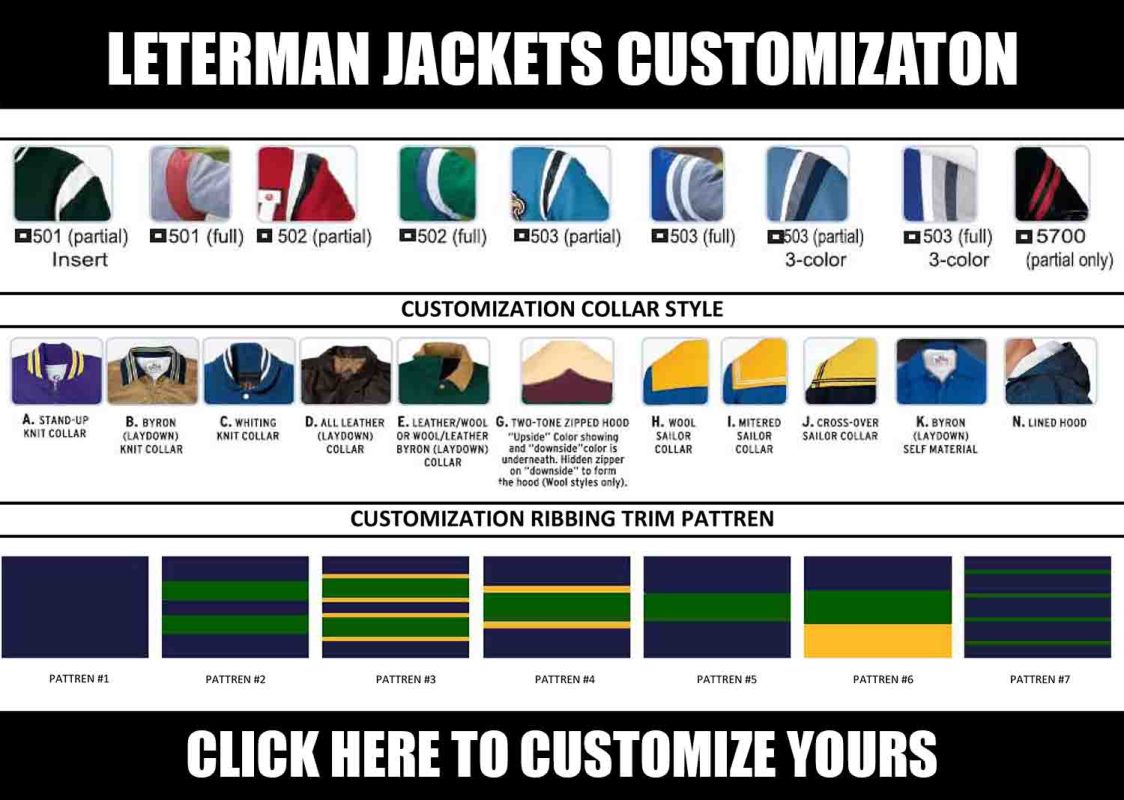
Experience the depth of true customization. Begin exploring the limitless possibilities for your own design in our interactive Design Lab.
Special Measurement Considerations
Accounting for Layering
Determining how much ease to add for different layers requires understanding both your measurement numbers and your wearing intentions. As a general guideline, add 1-2 inches to your chest measurement for light layering (a t-shirt or thin sweater), 2-3 inches for medium layering (a hoodie or thick sweater), and 3-4 inches for heavy layering (multiple substantial layers). These additions ensure your personalized jacket accommodates your typical wearing style without feeling restrictive or appearing overly bulky.
Measuring over typical clothing you’ll wear beneath the jacket provides the most accurate results for layering considerations. If you always wear a specific hoodie or sweater with your jackets, put it on before taking your chest and sleeve measurements. This approach automatically incorporates the necessary ease without mathematical calculations. Seasonal wearing considerations also matter—a jacket primarily worn in colder months over multiple layers needs more ease than one intended for mild weather over light clothing.
Professional athletes versus casual wearer needs often differ significantly in their layering requirements. Athletes might need additional ease across the back and shoulders to accommodate muscle development and range of motion during activity. Casual wearers typically prioritize a more fitted appearance with less extreme ease. When ordering custom varsity jackets for teams, our specialists often recommend different ease allowances for players versus coaches or supporters, ensuring each jacket serves its intended function while maintaining visual team unity.
Body Type Accommodations
Adjustments for athletic builds require particular attention to shoulder, chest, and back measurements. Individuals with developed upper bodies often need additional ease across the back and shoulders even if their chest measurement doesn’t indicate it. The “V-taper” common in athletic builds means the back is broader than the chest measurement alone would suggest. Noting your sport or activity level when submitting measurements helps our pattern makers make appropriate accommodations for your specific physique.
Considerations for broader shoulders often involve proportional adjustments throughout the jacket pattern. Beyond the shoulder measurement itself, broader shoulders typically require slightly longer sleeves and a more generous upper back area to prevent pulling. Different height proportions also affect measurement interpretation—taller individuals might need slightly longer sleeves and jacket body even if their circumference measurements are similar to shorter individuals. These nuanced adjustments separate custom clothing from off-the-rack approximations.
When standard sizing may not work becomes apparent through comparison with sizing charts. If your measurements place you in different sizes for chest, shoulder, and waist, a truly custom approach becomes essential. This situation commonly occurs with athletic builds, unique proportions, or those recovering from body changes. The advantage of working with a true custom manufacturer like Design Varsity Jackets is that we create a unique pattern based on your specific measurements rather than forcing them into predetermined size categories, ensuring perfect proportion regardless of how your measurements relate to standard sizing.
Recording and Double-Checking Your Measurements
Measurement Documentation
Creating a comprehensive measurement worksheet ensures you capture all necessary dimensions in an organized format. We recommend recording: chest (fullest part), natural waist, hips, shoulders (across back), sleeve length (shoulder to wrist), bicep circumference, wrist circumference, and jacket length (base of neck to desired endpoint). Digital recording methods offer advantages for easy sharing and updating—take photos of each measurement being taken (showing tape placement) alongside the numerical recording. This visual documentation helps resolve any questions that might arise during pattern creation.
The importance of noting which side was measured seems minor but proves valuable for pattern accuracy. Most people have slight asymmetries—one shoulder slightly higher, one arm slightly longer. Measuring both sides and recording the differences (even if minor) allows pattern makers to create subtle accommodations for your natural posture. Date-stamping your measurements creates a reference point for future orders, particularly useful if you’re planning additional custom jackets or ordering for a growing team member whose measurements might change over time.
Organizing your measurements for clear communication to manufacturers involves more than just listing numbers. Group related measurements together (all torso circumferences, all lengths, all sleeve dimensions) and include brief notes about any special considerations. When you’re ready to proceed with your varsity jacket order, our design team provides a structured submission form that guides you through presenting your measurements professionally, but having them well-organized beforehand streamlines the entire process.
Verification Process
How to double-check each measurement involves both repetition and reasonability checking. After completing your initial measurement set, take a short break, then remeasure 2-3 key dimensions (chest, sleeve length, shoulders) to verify consistency. Measurements should be within half an inch between sessions—greater variance indicates a measurement error that needs investigation. When to measure a second time depends on your confidence level, but we recommend at least two sessions for all critical dimensions.
Getting a second person to verify measurements provides invaluable perspective, particularly for hard-to-reach areas like shoulder width and back length. Even if you’re capable of measuring yourself accurately, a verification partner can spot tape misalignments or posture issues you might miss. Comparing to existing well-fitting garments offers another verification method—laying a jacket that fits you well on a flat surface and measuring its dimensions provides a reality check against your body measurements. Significant discrepancies indicate either measurement errors or fit preferences you should note for your custom order.
The verification process becomes especially important when ordering multiple custom jackets, such as for team uniforms or group orders. Consistent measurement techniques across all team members ensure uniform fit despite individual size differences. Our bulk order specialists often recommend measurement verification sessions where team members measure each other using standardized techniques, creating consistent data that results in professional-looking team jackets that fit every member properly.
Need help planning your order timeline? Contact Our Team for personalized guidance.
Communicating Measurements to Manufacturers
Measurement Submission
How to present your measurements professionally influences how accurately they’re interpreted by pattern makers. Use clear, legible numbers (typed is preferable to handwritten), specify units (inches or centimeters), and organize them logically. Which measurements are most critical depends on jacket style, but chest, shoulder, sleeve length, and jacket length represent the non-negotiable foundation. Additional notes to include might mention posture considerations, asymmetry, preferred fit (slim, regular, or relaxed), or specific layering intentions.
Digital submission best practices include creating a single document containing all measurements, reference photos (with consent and privacy considerations), and any relevant notes. Many manufacturers, including our team at Design Varsity Jackets, provide secure online portals for measurement submission that ensure data accuracy and privacy. When you begin your custom design process, you’ll receive guidance on the most effective way to submit your measurements for prompt and accurate pattern creation.
The relationship between accurate measurements and manufacturing efficiency is direct—clear, complete measurement data reduces back-and-forth clarification requests and minimizes production errors. This efficiency benefits you through faster turnaround times and reduced risk of fit issues requiring alterations. During seasonal rush periods like holiday sales or new year offers, when manufacturers process high volumes of custom orders, well-organized measurement submissions receive priority processing because they require less clarification time.
Understanding Size Charts
How to interpret manufacturer size charts bridges the gap between your body measurements and garment dimensions. Most charts show body measurements in the left column and corresponding garment measurements in adjacent columns. Your body measurements should fall within the range listed for your desired garment size. Where your measurements should fall on charts ideally places you comfortably within a single size category, but many people find their measurements span multiple size columns—this is exactly when custom sizing proves its value over standard sizing.
When to choose between sizes becomes a common dilemma when your measurements place you between standard size categories. General guidance suggests sizing to your largest measurement, but this often results in poor fit in other areas. The advantage of custom varsity jackets is eliminating this compromise altogether—your unique combination of measurements creates a unique pattern sized precisely to you, not to the nearest standard size approximation. This personalized approach ensures perfect proportion regardless of how your measurements distribute across standard sizing categories.
The role of customer service in sizing decisions becomes valuable when measurements present interpretation challenges. Our specialists at Design Varsity Jackets review each measurement submission, looking for potential issues like significant discrepancies between related measurements or values that seem inconsistent with stated height and weight. When questions arise, we contact customers directly to clarify before pattern creation, preventing costly fit issues. This collaborative approach ensures your measurements translate into a jacket that fits perfectly from the first wearing.
Planning a group order? Get Bulk Pricing Information
Troubleshooting Common Measurement Problems
Addressing Measurement Challenges
Solutions for self-measuring difficulties often involve creative use of household items. If you struggle to measure your own back length, try this technique: tie a string around your natural waist, measure from your neck base to the string, then measure the string separately. When measurements seem inconsistent, retake them using different techniques—for example, if your sleeve length seems too short, try measuring a well-fitting shirt laid flat and doubling the measurement from shoulder seam to cuff. These alternative approaches often resolve puzzling discrepancies.
How body changes affect measurements is an important consideration for investment pieces like quality letterman jackets. Weight fluctuations, muscle development, or posture improvements can alter your measurements over time. If you anticipate changes before your jacket arrives or plan to wear it for multiple seasons, consider whether to measure for your current body or anticipated future state. For growing teenagers or athletes in training, we often recommend adding slight ease to accommodate near-term development while maintaining good proportions.
Revising measurements over time creates a valuable personal sizing history. We recommend updating your measurements annually or after any significant body change, even if you’re not currently ordering a jacket. This practice builds awareness of your natural proportions and makes future custom clothing purchases more efficient. Many customers who purchase custom jackets during holiday discounts return during new year sales for additional items, and having updated measurements on file streamlines the reordering process significantly.
Professional Alternatives
When to seek professional measuring help depends on your comfort level, physical limitations, and the importance of perfect fit. If you struggle with flexibility, have significant asymmetry, or simply lack confidence in your self-measuring abilities, professional assistance ensures accuracy. Local tailor measurement services typically cost $15-$30 and provide expert results—simply explain you need measurements for a custom jacket order. Many tailors will provide a measurement sheet specifically formatted for manufacturing purposes.
Virtual fitting consultations represent a modern solution to measurement challenges. Through video calls, experienced fitters guide you through the measurement process in real time, correcting technique and verifying accuracy as you go. This approach combines the convenience of home measuring with professional oversight. How our design team at Design Varsity Jackets can help interpret measurements extends beyond simple number-taking—we analyze measurement relationships, identify potential fit issues before production, and recommend pattern adjustments based on our extensive experience with diverse body types.
The investment in professional measurement assistance often pays dividends in reduced alteration costs and perfect first-time fit. Particularly for special occasion jackets, team uniforms, or higher-value custom orders, the modest cost of professional measurement ensures your substantial investment in the jacket itself delivers maximum satisfaction. During busy periods like holiday sales when many people order custom varsity jackets as gifts, we particularly recommend professional measurements for gift recipients to ensure surprise presentations aren’t followed by fit disappointment.
Concerned about delivery timing? Contact Us for Delivery Assurance
Frequently Asked Questions
-
What if I measure between sizes on the size chart?
This common situation is exactly why custom sizing exists. Rather than forcing you into an ill-fitting standard size, we create a unique pattern based on your exact measurements, ensuring perfect proportion throughout the jacket. -
How often should I remeasure for accuracy?
We recommend updating measurements annually or after any significant body change of 10 pounds or more. For growing teenagers, remeasure every 6 months to account for development. -
Can I measure over my clothing?
For the most accurate results, measure over thin, fitted clothing similar to what you’ll wear under the jacket. Avoid measuring over bulky sweaters or multiple layers unless that’s how you plan to wear the jacket regularly. -
What’s the most common measurement mistake?
Pulling the measuring tape too tight ranks as the most frequent error. The tape should be snug but not compressive—you should be able to fit a finger between the tape and your body at all measurement points. -
How do I measure if I don’t have a proper measuring tape?
Use non-stretch string and a ruler as an alternative. Wrap the string around each measurement point, mark where it meets, then measure the string length with your ruler. This method actually prevents the common tight-measuring error. -
Should I measure in inches or centimeters?
Either is acceptable, but be consistent throughout. We work with both measurement systems in our custom design studio, and our pattern software automatically converts between them as needed. -
What if my arms are different lengths?
Measure both arms and note the difference. Our pattern makers can create subtle accommodations for natural asymmetry, ensuring your jacket sleeves fit perfectly on both sides. -
How much extra room should I add for layering?
Generally add 2-4 inches to your chest measurement depending on layering thickness. For specific guidance based on your intended use, message our fitting experts. -
Can I use my measurements from previous clothing purchases?
You can use them as a reference, but we recommend fresh measurements for each custom order, as measurement techniques and body changes can affect accuracy over time. -
What’s your measurement privacy policy?
We treat all measurement data as confidential personal information, using it solely for creating your custom pattern and never sharing it with third parties. Your measurement records are securely stored for future orders if desired.

Conclusion: From Measurements to Perfect Fit
The journey from precise measurements to a perfectly fitting custom varsity jacket represents one of the most satisfying experiences in personalized apparel. Each carefully taken measurement transforms from a simple number into a dimensional guide that skilled pattern makers use to create a garment shaped specifically for your body. This process, though requiring attention to detail, ensures that your investment in a quality jacket yields returns in comfort, appearance, and longevity that far exceed off-the-rack alternatives.
The connection between measurement precision and ultimate jacket satisfaction cannot be overstated. Inaccurate measurements inevitably lead to fit compromises—sleeves that are too long or short, shoulders that constrict or droop, torsos that pull or bag. By dedicating time to proper measurement technique, you’re not just following steps; you’re building the foundation for a garment that will become a favorite in your wardrobe for years. This careful approach proves particularly valuable during holiday sales and new year offers, when the excitement of seasonal discounts combines with the permanence of a perfectly fitted custom piece.
As you complete your measurement process and prepare to create your custom jacket, remember that this attention to detail reflects the craftsmanship that will go into your garment. From the professional pattern created from your numbers to the precise stitching that follows those patterns, each step honors the care you’ve taken in providing accurate measurements. The result is more than just another jacket—it’s a perfectly proportioned expression of personal style that fits not just your body, but your life.
Your Next Steps
Ready to Transform Measurements into Your Custom Jacket:
Start Your Custom Design Here – Use your precise measurements to create the perfect-fitting varsity jacket
Need Professional Measurement Help?
Schedule a Virtual Fitting Consultation – Get expert guidance on taking accurate measurements from home
Planning a Team or Group Order?
Get Bulk Order Assistance – Coordinate measurements for multiple custom jackets with volume pricing
Explore Seasonal Offers:
View Holiday & New Year Specials – Discover current promotions on custom varsity jackets
Helpline – Design Varsity Jackets
The journey to your perfect custom varsity jacket doesn’t end with measurements—it begins there. Our dedicated team supports you through every step, from initial measurement questions to final fitting satisfaction, ensuring your custom creation exceeds expectations.
Measurement & Fitting Support:
-
Measurement Verification: WhatsApp Our Experts – Send your measurements for professional review before ordering
-
Virtual Fitting Sessions: Schedule video consultations for real-time measurement guidance
-
Pattern Review: Our specialists analyze your measurements for potential fit issues before production
-
Alteration Guidance: Advice on minor adjustments if needed after delivery
Custom Design Resources:
-
Printable measurement worksheets with illustrated guides
-
Video tutorials demonstrating proper measurement techniques
-
Size conversion charts and international measurement guides
-
Sample jacket program for trying styles before custom ordering
Connect for Ongoing Support:
-
Follow Instagram for fitting tips and customer spotlights
-
Like Facebook for measurement workshops and Q&A sessions
-
Read Google Reviews from customers who achieved perfect fit through our process
Our Measurement Commitment:
We believe accurate measurements form the foundation of every successful custom garment. That’s why we invest substantial resources in measurement education, verification processes, and pattern-making precision. Whether you’re ordering a single personalized jacket or coordinating school jackets for an entire team, our systematic approach to measurements ensures consistent, reliable results that translate into garments fitting properly from the first wearing. This commitment to measurement accuracy distinguishes true custom manufacturing from standard sizing approximations.
Thank you for entrusting your custom varsity jacket vision to Design Varsity Jackets. We’re honored to transform your careful measurements into a jacket that fits perfectly, wears comfortably, and represents your style precisely as intended. Your journey to the perfect custom fit begins with the measurements you’ve mastered—and continues with craftsmanship that honors those details in every stitch.