Blog
Winter Jackets with Quality Stitching

Everything You Need to Know About How to Get Winter Jackets with Quality Stitching: Durability, Warmth, and Style
When the temperature drops, our search for the perfect winter jacket begins. We instinctively prioritize factors we can see and feel: the thickness of the insulation, the softness of the lining, the appeal of the color, and the tug-of-war with the price tag. In this focus on the obvious, a critical, defining element often goes overlooked—the very thing that holds the entire garment together. The stitching. It is the unsung hero, the silent guardian against the cold, and the ultimate determinant of whether a jacket will be a seasonal disappointment or a trusted companion for decades.
Quality stitching is not merely a detail; it is the foundational architecture of a great winter jacket. It is what transforms materials into a reliable shield, ensuring warmth is sealed in, moisture is kept out, and the garment’s shape endures season after season. At Design Varsity Jackets, craftsmanship isn’t an afterthought; it is the core of our philosophy. We understand that whether it’s a classic overcoat or a robust custom varsity jacket, the integrity of every seam is what turns fabric into a legacy.
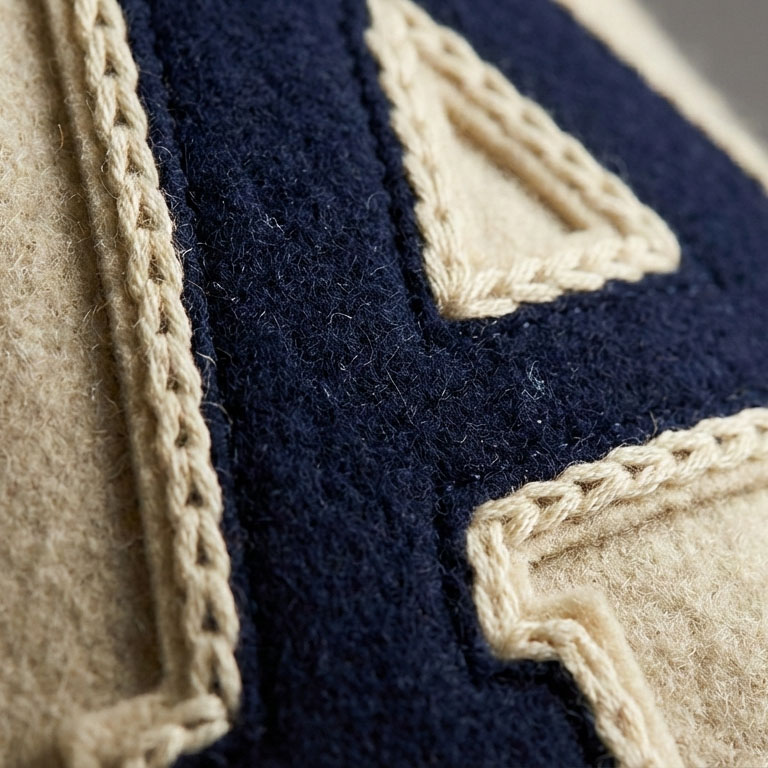
Why Stitching is the Backbone of Your Winter Jacket
To appreciate quality stitching, one must first understand its function. Thread does far more than simply attach pieces of fabric; it is a precision-engineered system of tension and reinforcement. In a winter jacket, stitching has three critical jobs: to insulate, to withstand stress, and to preserve form.
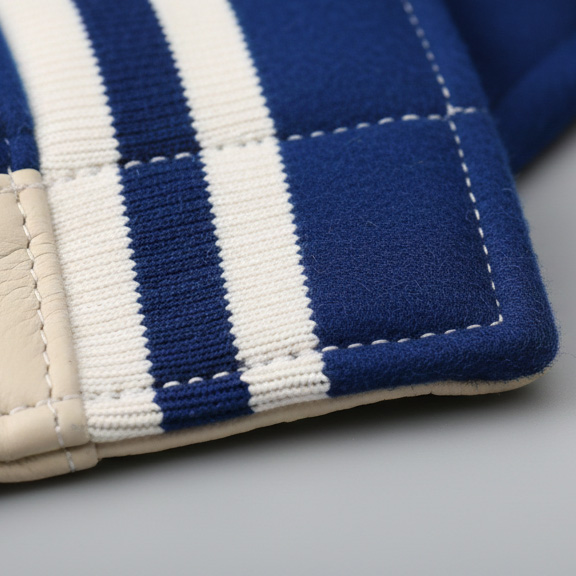
First, it seals in warmth. Every needle puncture in a jacket is a potential gateway for cold air and wind. High-quality, dense, and even stitching minimizes these micro-holes, creating a continuous barrier. On technical shells and puffers, this principle is taken further with techniques like seam taping or welding, which completely seal the stitch lines. In a custom jacket like a wool letterman jacket, tight stitching along the leather sleeves and wool body prevents drafts from penetrating at the seams, a common failure point in poorly made garments.
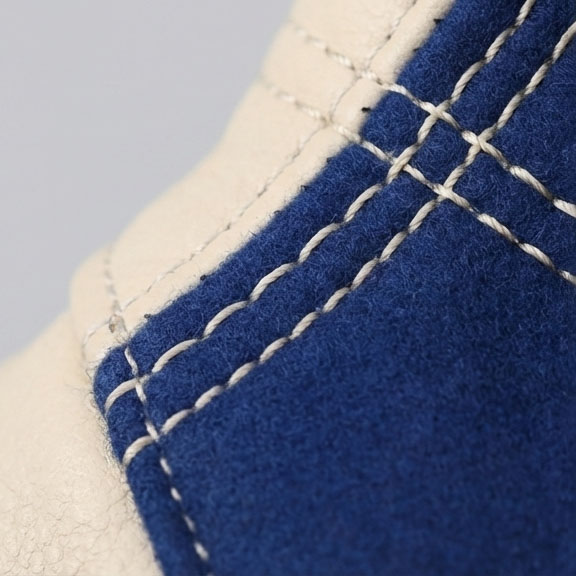
Second, it manages mechanical stress. Your winter jacket endures constant movement. The shoulders flex, the elbows bend, pockets are stuffed with heavy hands, and zippers are tugged. Stress concentrates at these junctions. Quality construction anticipates this with reinforced stitching—often double or triple rows of stitching at the armholes, shoulder seams, and pocket corners. This distributes the force over a wider area, preventing the catastrophic seam failures that render a jacket useless.
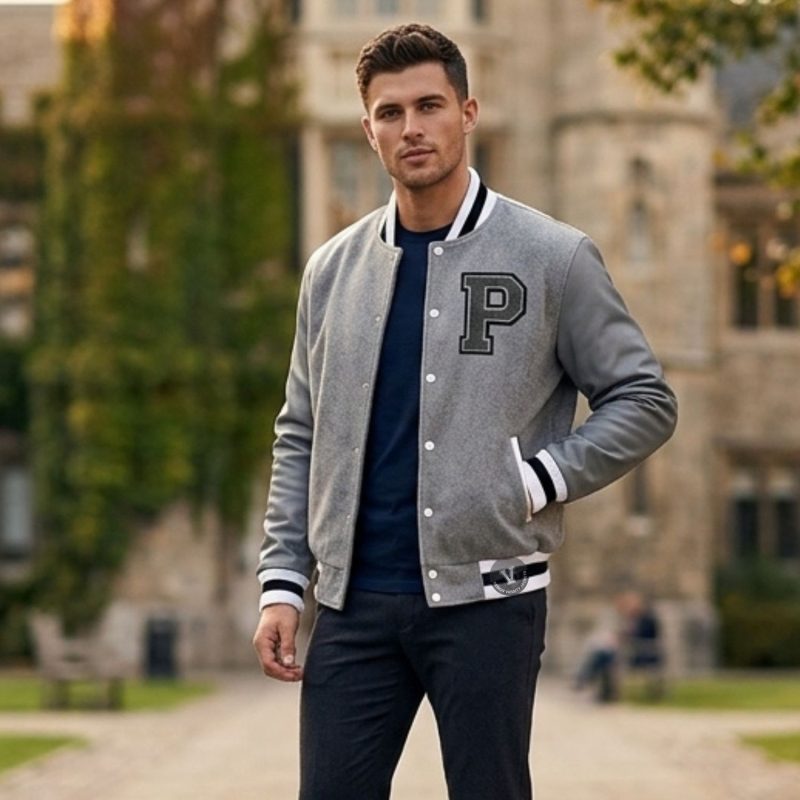
Finally, it maintains structure. A jacket’s silhouette—whether a sharp, tailored wool coat or the relaxed fit of a baseball jacket—relies on precisely placed seams. Loose, uneven, or skipped stitches allow fabric to shift, pucker, and sag over time, causing the jacket to lose its intended shape and look worn prematurely. The thread itself must also be durable. Premium, bonded polyester thread is resistant to UV degradation, moisture, and abrasion from wear and cleaning. It’s the difference between a seam that lasts ten winters and one that frays after one.
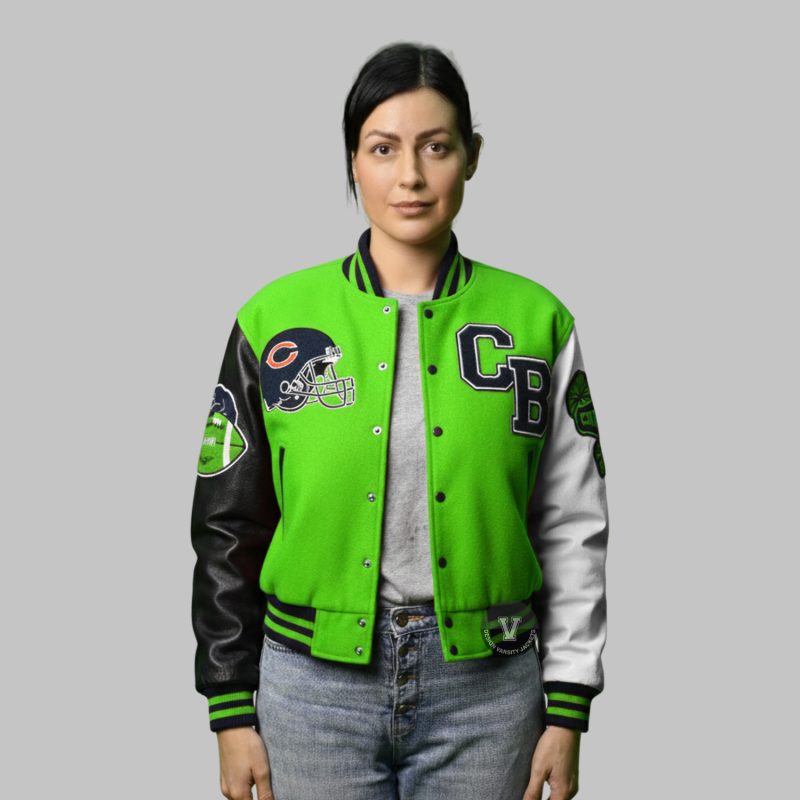
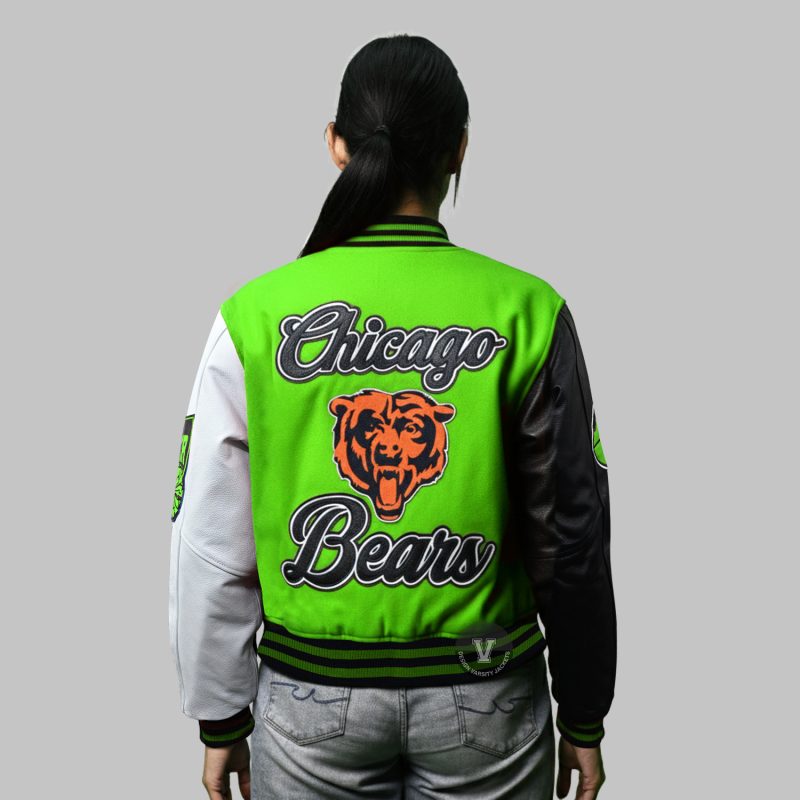
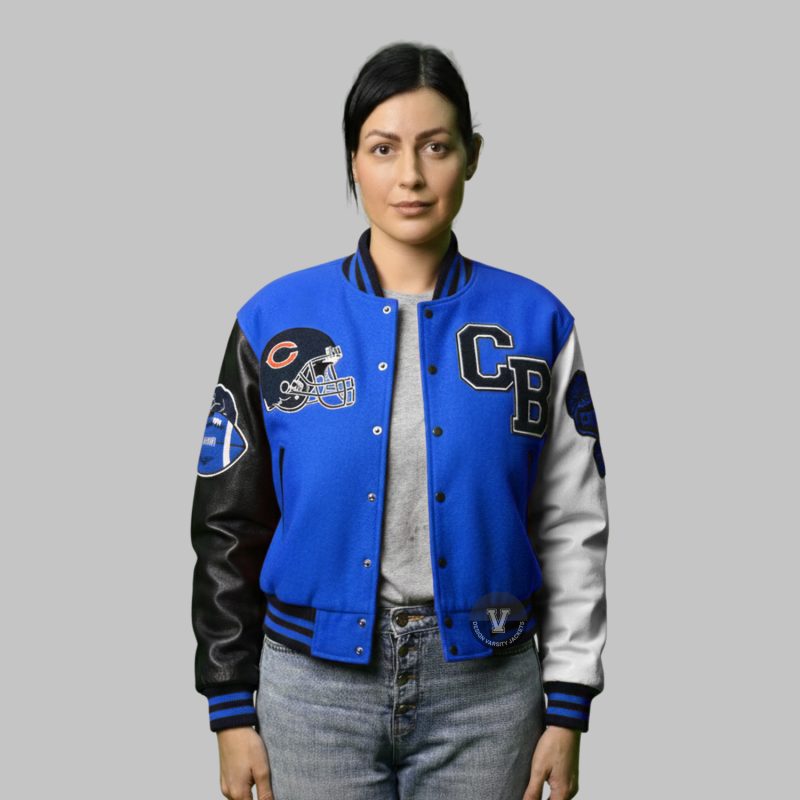
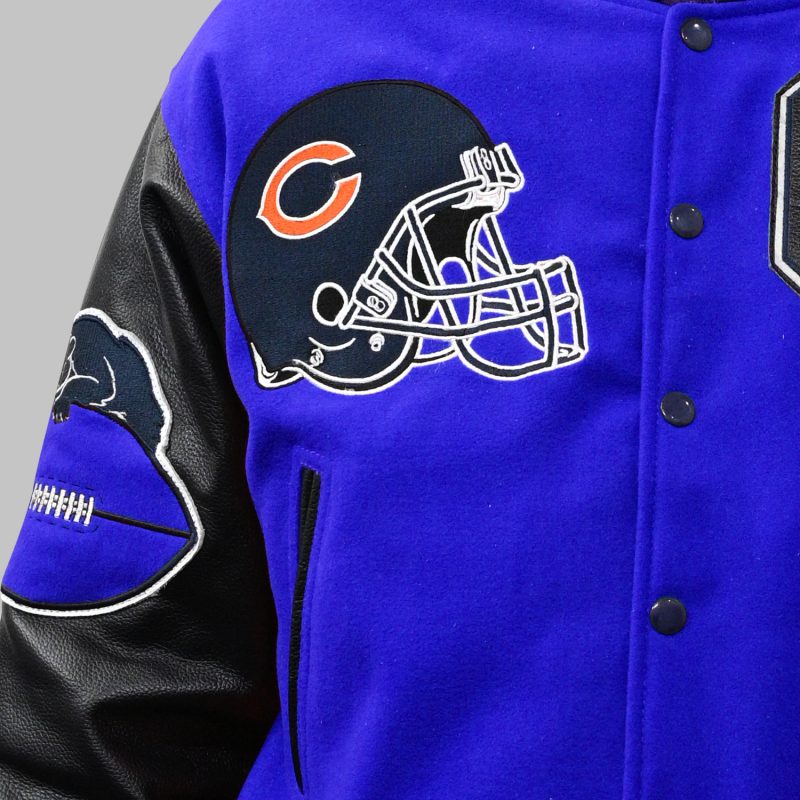
Beyond the Thread: Materials That Demand Expert Stitching
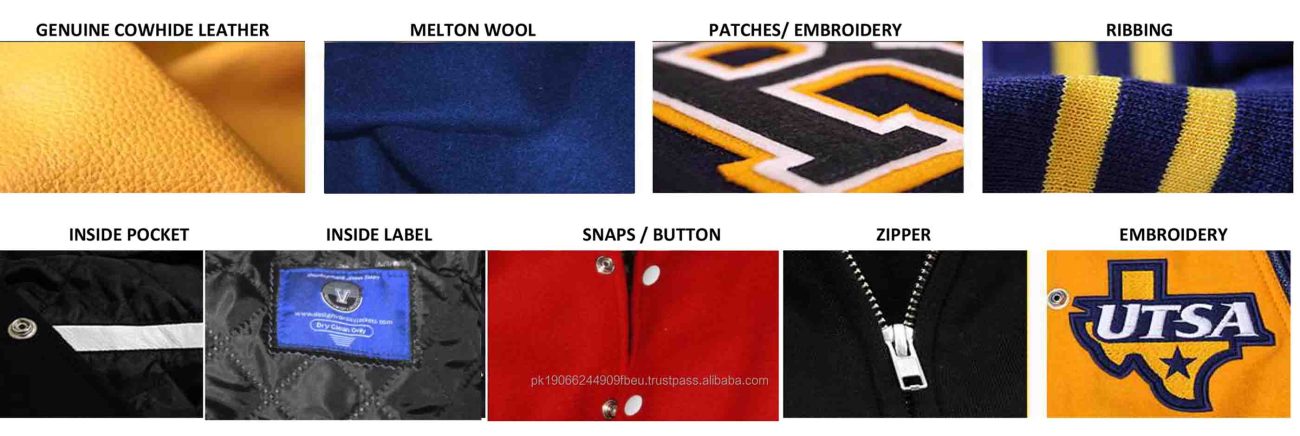
The relationship between material and stitch is symbiotic. Premium fabrics demand expert construction, and superior stitching unlocks the full potential of any material. Different winter jacket textiles present unique challenges that only quality craftsmanship can solve.
Consider a rugged, nylon shell designed for alpine conditions. This slippery, densely woven material requires specialized needle points and precise tension control to prevent skipped stitches or seam slippage. Now, contrast that with the challenge of a thick, coarse wool melton, the classic body material for traditional varsity jackets and overcoats. Its dense pile can clog standard sewing machines and requires heavy-duty equipment and stronger needles to pierce cleanly through multiple layers without breaking.
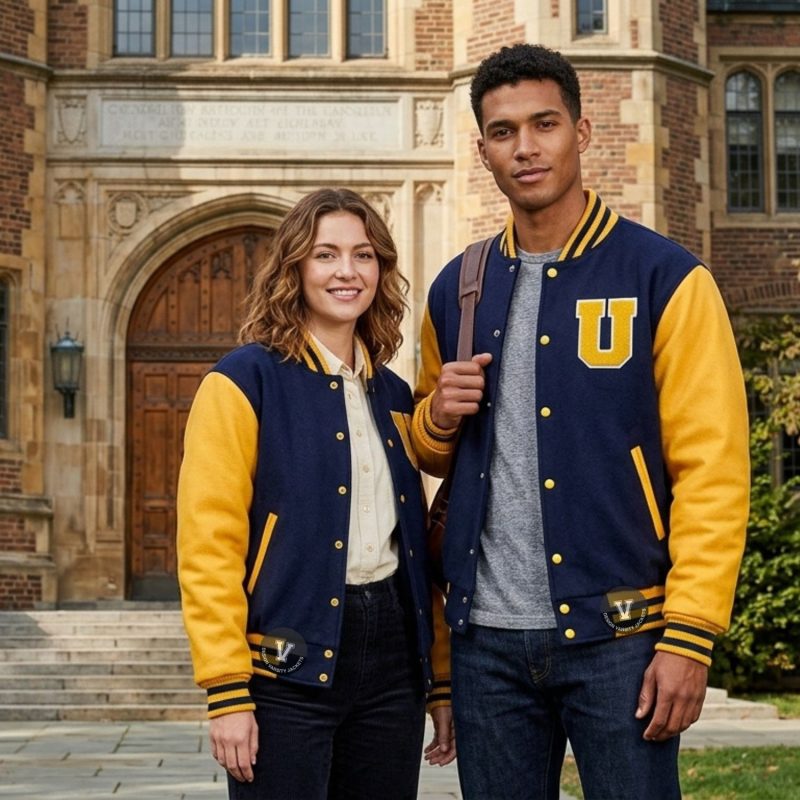
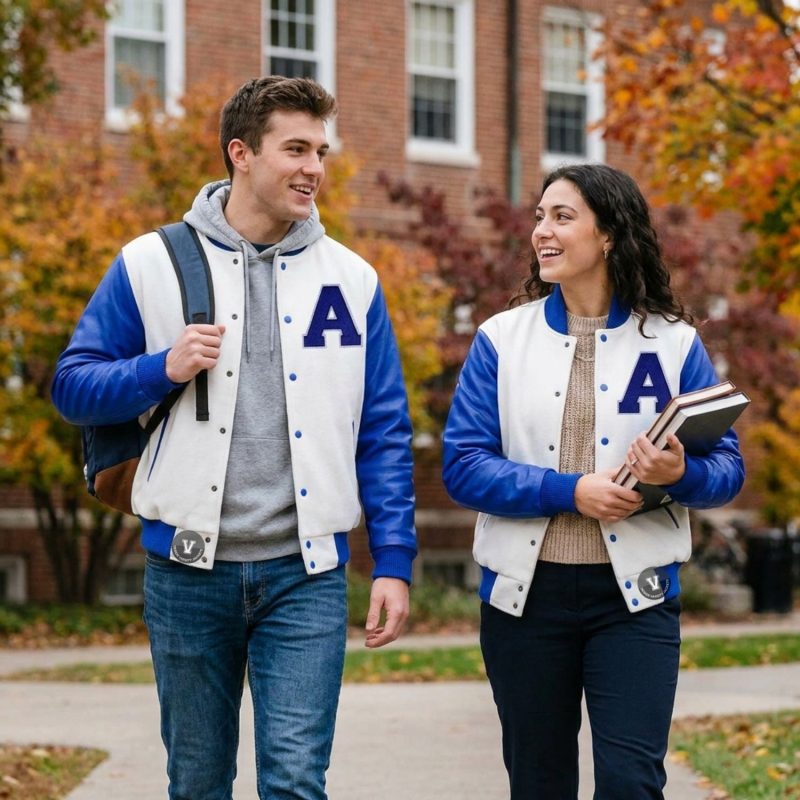
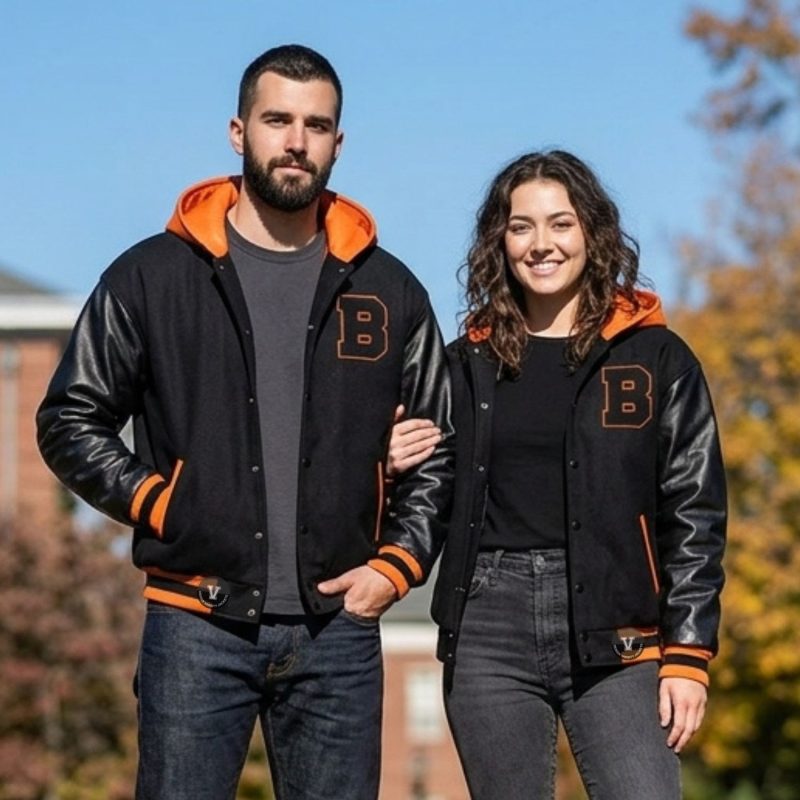
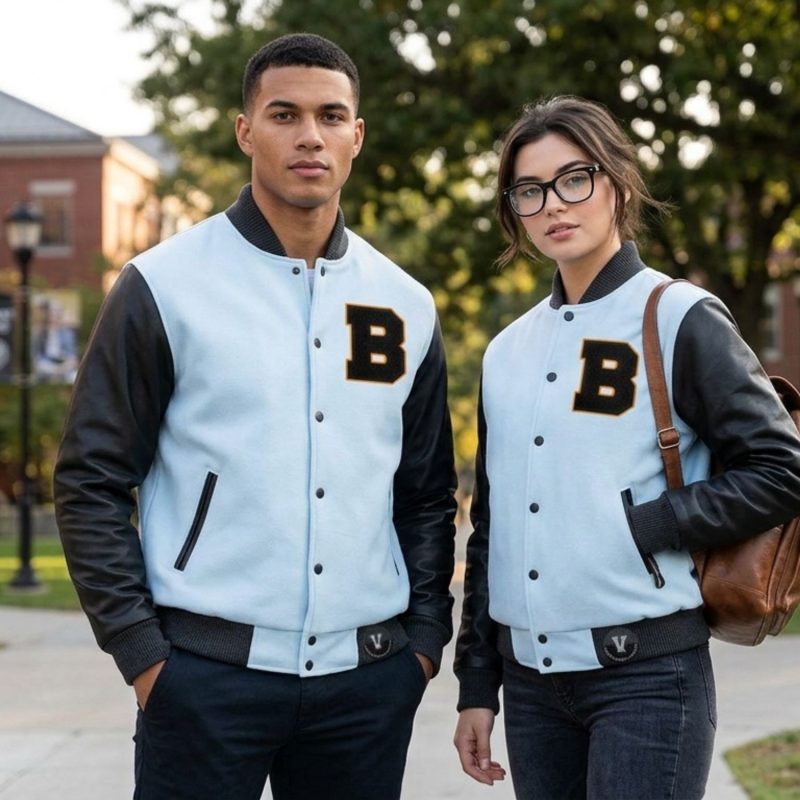
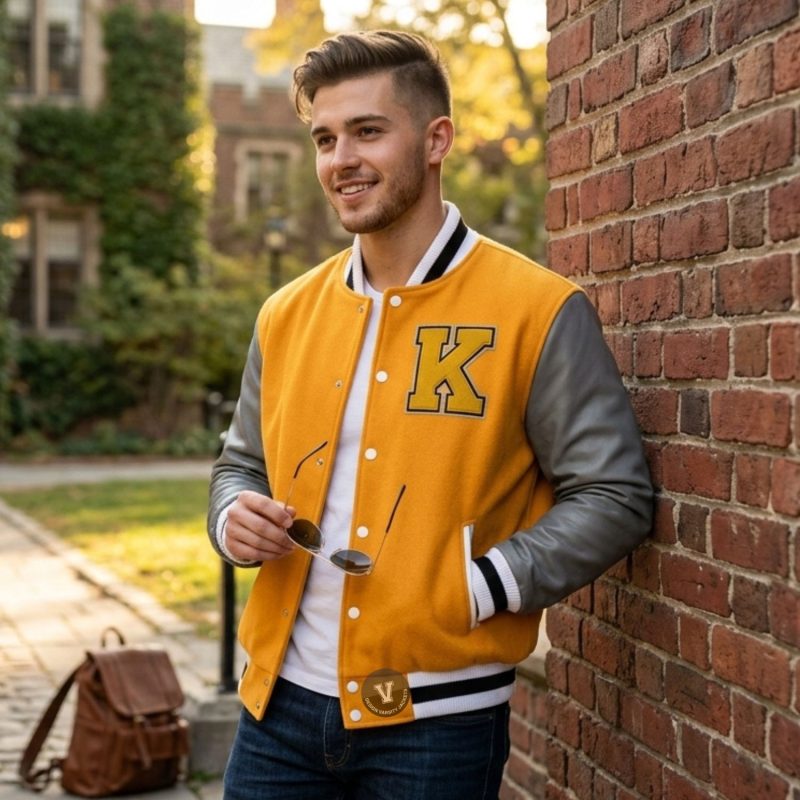
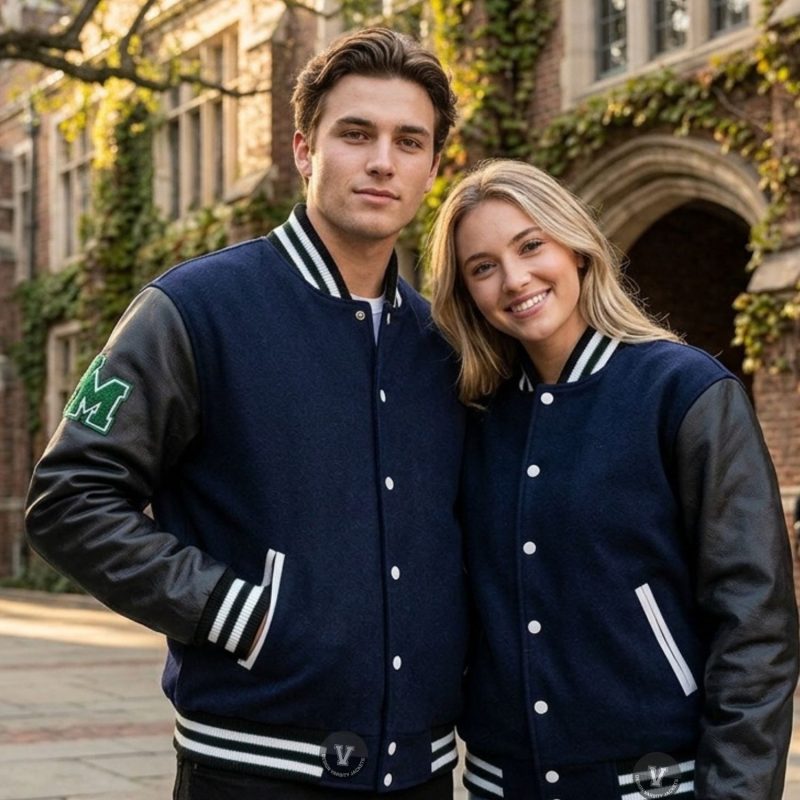
The ultimate test of stitching prowess is found in a hybrid garment like a custom varsity jacket. Here, the craftsman must seamlessly marry two fundamentally different materials: a woven wool body and genuine leather sleeves. Each material has a different thickness, elasticity, and behavior. Joining them requires not just strength, but an understanding of how each will age and flex. The stitching must be robust enough to create a permanent bond, yet flexible enough to move with the wearer. Using the wrong technique or inferior thread here will result in a weak, rigid seam that is prone to tearing. This intersection of materials is where true craftsmanship shines, transforming a simple personalized jacket into a durable heirloom.
Do you have questions about the Material Quality of jacket construction? Message Our Experts
Spotting Quality: A Visual Guide to Jacket Construction
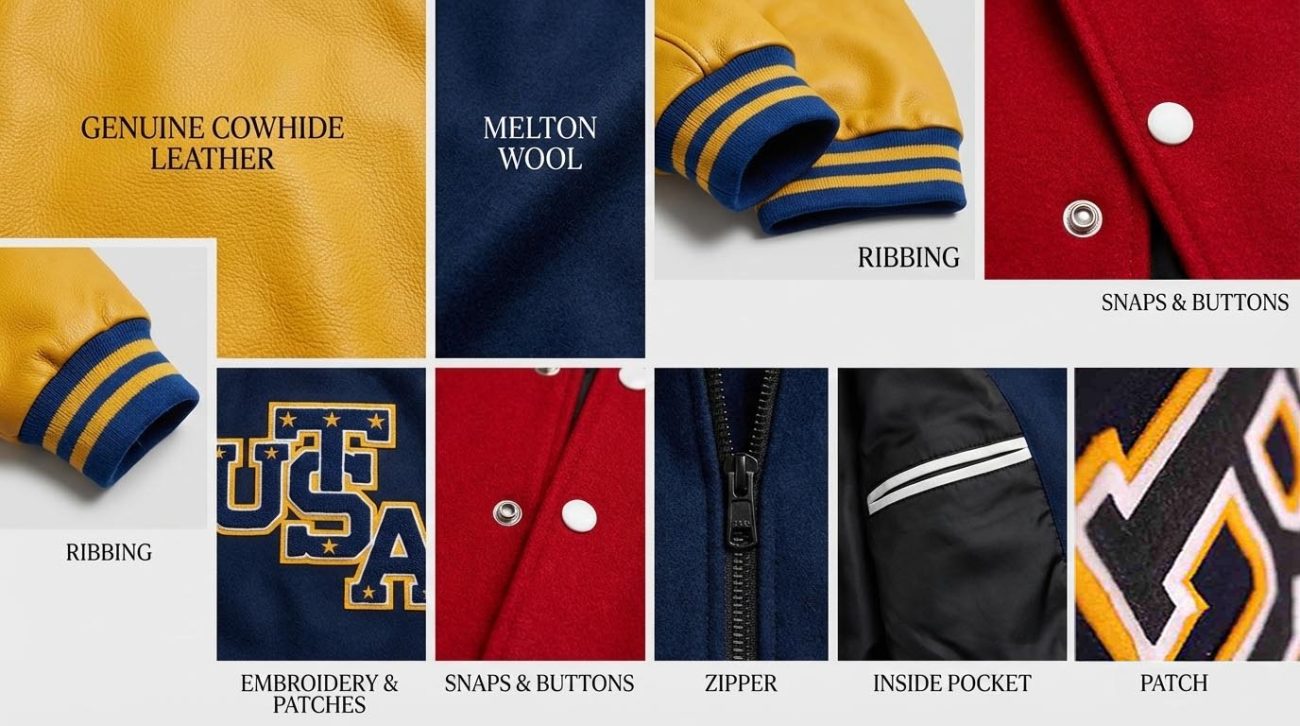
You don’t need to be a tailor to identify a well-made winter jacket. By knowing what to look for, you can make an informed decision about the longevity of any garment, from a department store coat to a custom winter jacket. Here is a practical checklist for evaluating stitching quality:
-
Stitch Density (SPI – Stitches Per Inch): This is one of the most reliable indicators. Gently pull apart a seam (inside a pocket or cuff is ideal) and examine how many stitches you see in one inch. More stitches per inch generally signify greater strength and a tighter seal. Cheap jackets often have long, loose stitches (low SPI) to save time and thread.
-
Consistent Evenness: Run your finger along a seam. The stitches should be uniform in length and tension, creating a straight, flat line. Look for irregularities, skipped stitches, or areas where the fabric puckers—these are signs of poor machine calibration or rushed assembly.
-
Strategic Reinforcement: Flip the jacket inside out and examine the high-stress areas. The ends of zippers, the corners of pockets, the armpits (the gusset), and the points where straps attach should show signs of reinforcement. This usually appears as a box pattern, multiple parallel lines of stitching, or back-tacking (stitching over the same spot several times to lock the thread). A single line of stitching at a pocket corner is a red flag.
-
Thread Quality: While harder to judge by eye, quality thread has a slight sheen and feels strong when gently tugged. It should not fuzz or pill immediately. Inferior thread is often thin and weak.
-
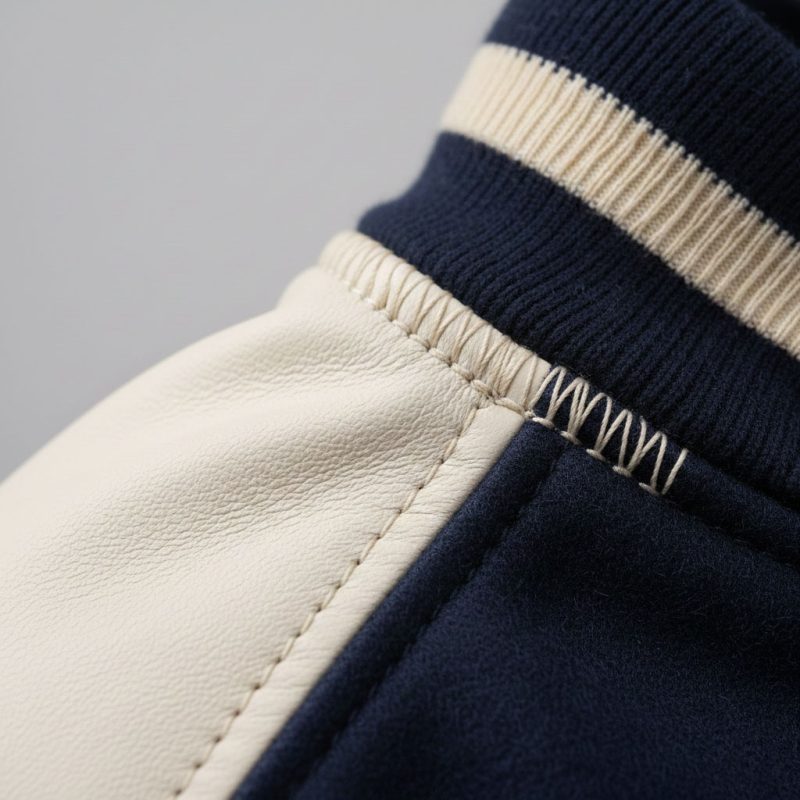
Clean Interior Finishes: The inside of a jacket tells the true story. Seams should be finished. Look for techniques like serging (a wrapped edge of thread), binding (a fabric tape over the raw edge), or flat-felled seams (where the raw edge is enclosed). Raw, fraying fabric edges on the interior are a hallmark of cost-cutting and will lead to insulation leakage and fabric deterioration.
Your Winter Jacket, Built to Last: The Design Lab Process
Understanding this commitment to craftsmanship should empower your creative process. When you use our interactive Design Lab, you are not just playing with colors and patches. You are configuring a jacket that will be brought to life with the exacting standards we’ve outlined. Each design choice you make—selecting a wool color, choosing leather for the sleeves, placing a mascot patch on the back—is a specification for our craftsmen.
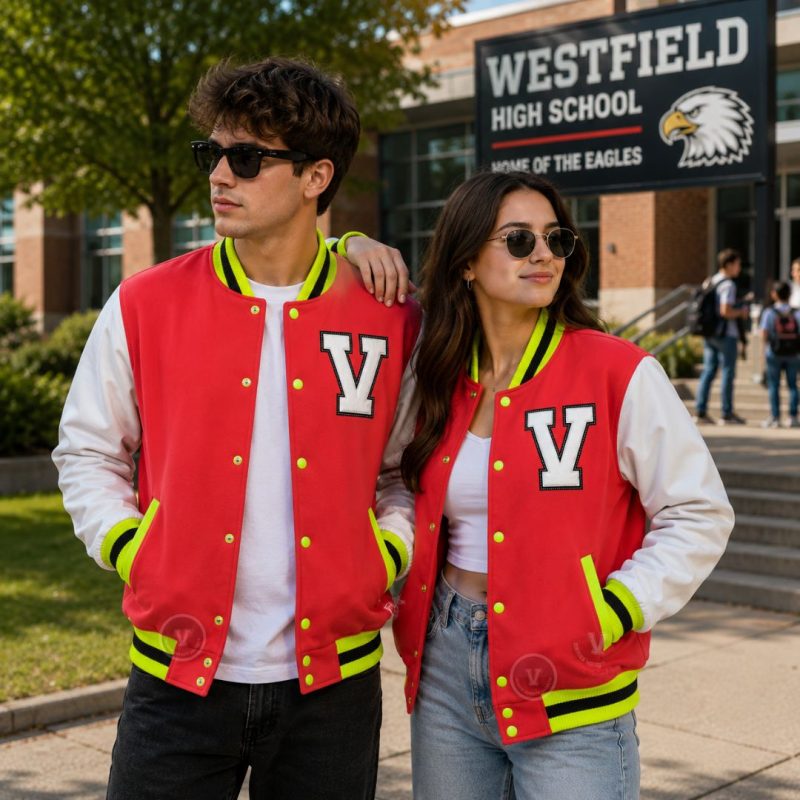
The tool gives you the freedom to visualize your perfect personalized jacket, but the underlying promise is that your vision will be executed with integrity. The vibrant college jacket you design for your alma mater, the sleek set of teams jackets for your corporate league, or the unique baseball jacket for personal wear—all are backed by the same foundational promise: that every seam, every stitch, and every attachment is performed with the goal of creating a jacket that lasts. This allows you to design with confidence, knowing the finished product will possess the durability to match its visual impact.
We have a Design Lab, where you can customized your jacket the way you want it: Start Designing Your Jacket Now
The Design Varsity Jackets Standard: Where Craftsmanship Meets Customization
For us at Design Varsity Jackets, the principles of quality stitching are not abstract ideas—they are daily, non-negotiable standards embedded in our production workflow. When you order a custom varsity jacket or any personalized jacket from us, you are commissioning a garment where construction integrity is the priority.
Our process begins long before a needle touches fabric. It starts with precise pattern-making, where every panel is designed with optimal seam allowances that provide a robust foundation for stitching. We then select materials not just for their aesthetic, but for their compatibility and durability. Our industrial sewing machines are specifically chosen and maintained for their ability to handle the diverse challenges we face: from piercing multiple layers of thick wool and leather to applying delicate embroidery with pinpoint accuracy.
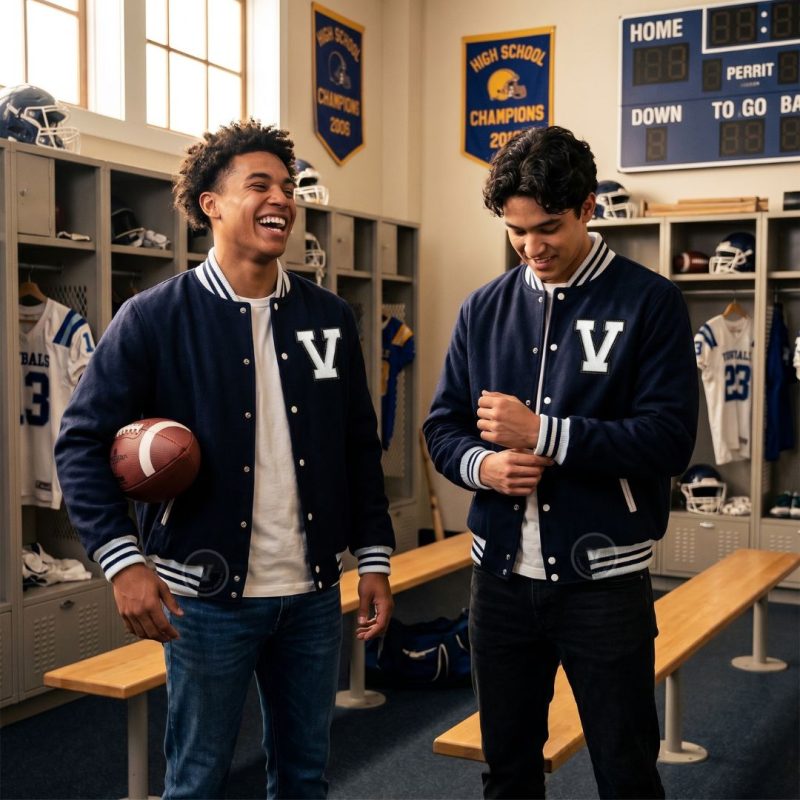
Every seam on our jackets, from the long side seams to the intricate attachment of a chenille letter, is executed with intention. Stress points on our letterman jackets and baseball jackets—like the sleeve cap and the side panel connections—receive dedicated reinforcement. This meticulous approach ensures that the custom jackets we create are not just visually striking, but are engineered for the rigors of real life. This standard is applied universally, whether we are crafting a single personalized jacket for an individual or fulfilling a large-scale order for unified teams jackets. Consistency in quality is our promise, regardless of order size.
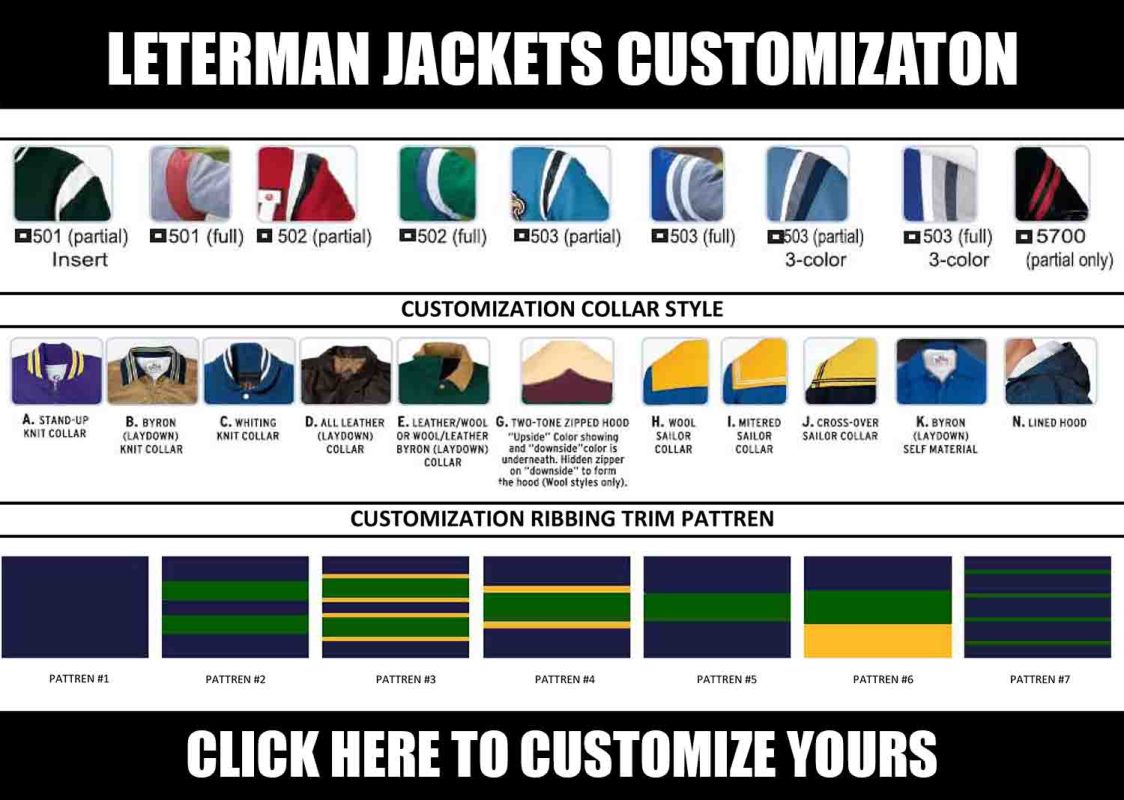
Ready to create your own winter jacket? Move beyond the ordinary and start designing a jacket that’s uniquely yours in our interactive Start Designing Your Personalized Jackets.
From Everyday Coats to Letterman Jackets: Stitching Across Styles
The imperative for quality stitching transcends every category of winter outerwear. It is the common thread that defines longevity, regardless of style.
In everyday technical shells and puffers, the focus is on exclusion. Here, stitching is often combined with thermal welding or seam taping—a process where a waterproof, flexible tape is heat-sealed over the interior stitch line. This completely blocks moisture ingress, making the jacket truly weatherproof. The strength of the underlying stitch is still critical, as it provides the structural integrity for the tape to adhere to.
In structured wool coats and peacoats, precision is paramount. The stitching must be tight and invisible from the outside, creating clean lines that define the garment’s sharp silhouette. It must also be strong enough to secure heavy interfacing and lining without causing puckering on the elegant outer face of the coat. The custom varsity jacket represents perhaps the most demanding and storied application of stitching in outerwear. As the evolution of the classic school jacket and college jacket, it is a garment built for activity and symbolism. Its stitching has a dual mandate: to be incredibly durable and to serve as a visual detail.
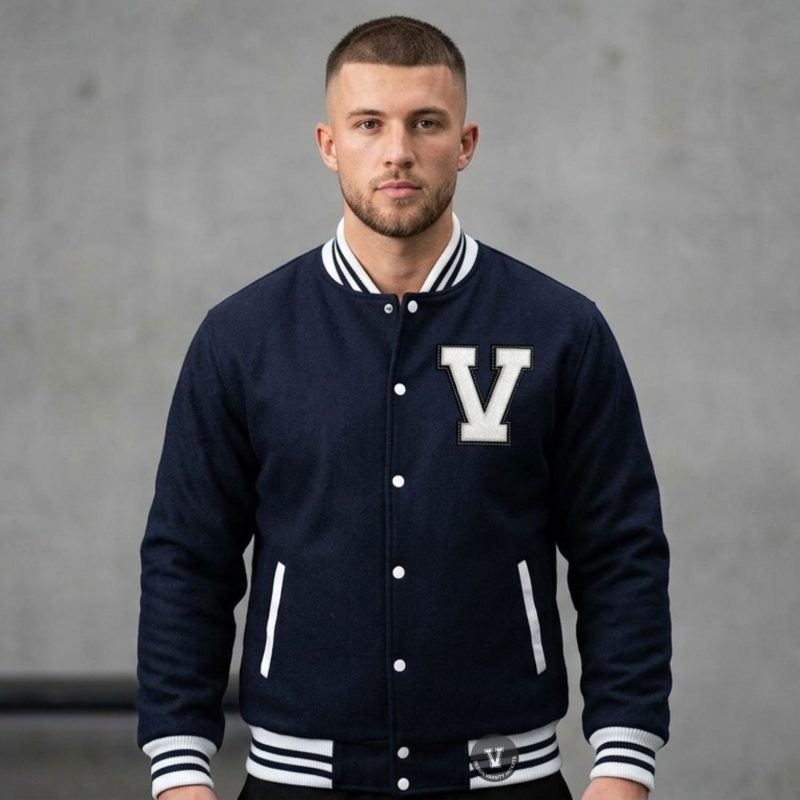
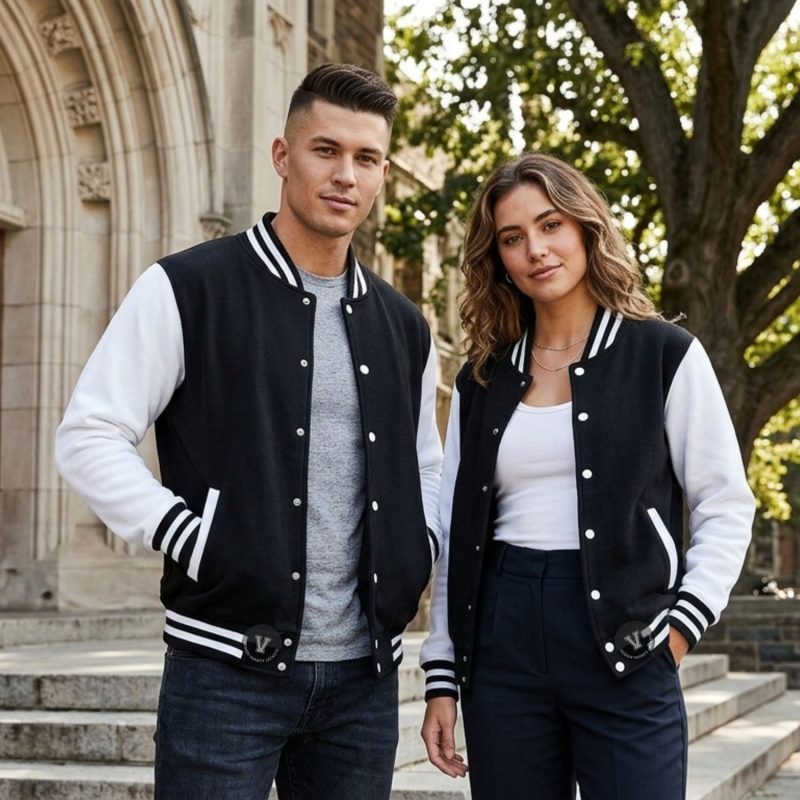
The contrast stitching on the sleeve raglan seams and along the ribbing is a signature aesthetic element. Simultaneously, the seams must withstand the dynamic movement of athletic wear. The attachment of heavy, woven chenille patches requires hundreds of precise, strong stitches to ensure they lay flat and never peel. This fusion of decorative and structural sewing is the hallmark of a premium varsity jacket, setting apart a garment that is merely purchased from one that is earned and cherished.
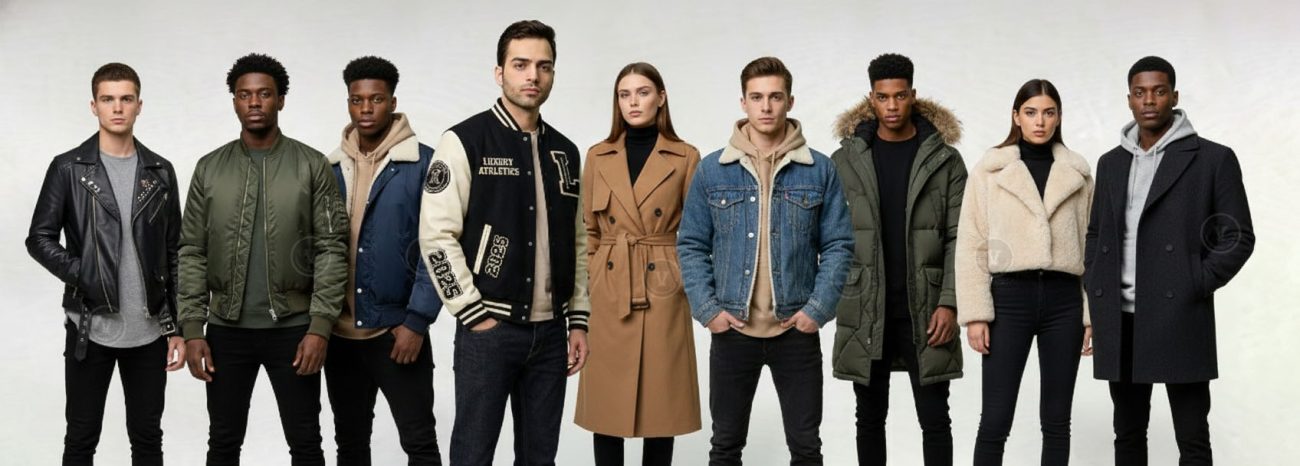
Investing in Longevity: The Value of a Well-Made Jacket
In a world of fast fashion, the true cost of a garment is often hidden. A cheap winter jacket with poor stitching might seem like a bargain, but its failure after one or two seasons represents a financial and environmental loss. You are left facing another purchase, perpetuating a cycle of waste.
Choosing a winter jacket with quality stitching—and particularly investing in a custom jacket built to your specifications—is a decision for long-term value. It is an exercise in cost-per-wear economics. The higher initial investment is amortized over a decade or more of reliable service. The jacket becomes a familiar, comfortable part of your life, aging gracefully and accumulating character rather than falling apart.
Moreover, there is an undeniable satisfaction in owning something well-made. It is the feeling of a solid zipper pull, the sound of a sturdy snap, and the confidence that a seam won’t split. It’s the knowledge that your custom varsity jacket, with its personal insignia and perfect fit, is constructed to be a part of your story for years to come. This emotional and practical durability is the ultimate return on an investment in quality craftsmanship.
Frequently Asked Questions: Winter Jackets and Construction
How can I tell if the stitching on a jacket is good quality in a store?
Use the visual guide above. Check for stitch evenness, reinforcement at stress points, and clean interior finishes. Gently tug on seams and pockets to see if they feel secure. If possible, compare the stitch density (SPI) to a more expensive jacket in the same store.
What type of thread is most durable for winter jackets?
High-tenacity, core-spun polyester thread is the industry standard for durability. It is strong, resistant to UV light and moisture, and retains its elasticity in cold weather, which prevents breakage. Cotton thread should be avoided as it degrades with moisture.
Are there specific stitches that are stronger than others?
Yes. A lockstitch (common on home and industrial machines) is very strong and secure. For heavy-duty work, a chainstitch can be used, but it requires specialized machines. The key is often the application—reinforced straight stitching or bar-tacking at stress points is more important than a specific stitch type.
How does quality stitching affect the waterproofing of a jacket?
It is critical. On waterproof jackets, every needle hole is a potential leak. Dense, precise stitching creates smaller holes. These holes are then sealed with seam tape (applied inside) or seam sealant (applied outside) to restore the waterproof barrier. Poor stitching creates irregular, large holes that are difficult to seal effectively.
Can a jacket with torn seams be repaired, or is it ruined?
It can often be repaired by a skilled tailor or repair service, especially if the fabric itself is intact. They can restitch the seam, often reinforcing it in the process. However, if the fabric is torn or frayed around the seam, the repair becomes more difficult and may require a patch.
Why do custom jackets like varsity styles often emphasize stitching?
Because they are hybrid garments (wool + leather) built for activity and meant to last for years, even decades. The stitching is both a functional necessity to join disparate materials and a traditional design element. Contrast stitching is a classic feature of letterman jackets and baseball jackets, highlighting the craftsmanship.
How do you ensure stitching quality on bulk orders for team jackets?
We maintain consistent quality control through standardized patterns, calibrated industrial machines, and a trained production team. Every jacket in a bulk order goes through the same construction process and inspection checklist. We don’t compromise on stitch density or reinforcement, regardless of order size.
Does tighter stitching always mean better quality?
Within reason, yes. Higher SPI (stitches per inch) generally indicates greater strength and a better wind/water seal. However, the stitch must be appropriate for the fabric; too many stitches on delicate fabric can perforate and weaken it. The key is consistent, even, and appropriately dense stitching for the material.
How should I care for my jacket to protect the stitching?
Always follow the care label. Generally, avoid overloading washing machines, which can cause abrasion and stress on seams. Use a gentle cycle with cold water. Avoid excessive heat in dryers, which can weaken thread. For leather-sleeved varsity jackets, professional dry cleaning is often safest.
What is your guarantee on the construction of your custom jackets?
We stand behind the craftsmanship of every garment. If there is a manufacturing defect in the stitching or construction under normal use, we will work with you to repair or replace the item. Our goal is to create jackets that last, and our policies reflect that commitment.
Choose the Jacket That Holds It All Together
As you seek out your perfect winter companion, look beyond the surface. Peer at the seams, examine the reinforcements, and consider the unseen architecture. Quality stitching is the definitive feature that separates a temporary coat from an enduring piece of your wardrobe. It is the assurance of warmth, the promise of durability, and the mark of thoughtful design.
At Design Varsity Jackets, this level of intentional construction is applied to every single order. We believe that a custom jacket should be as resilient as it is personal, as dependable as it is distinctive. Whether you are looking for a classic letterman jacket, a sleek personalized jacket, or a full set of teams jackets, we offer the craftsmanship to ensure your winter style is built for the long haul—stitch by perfect stitch.
Ready to invest in a jacket defined by its construction? Explore the fusion of durability and personalization. Begin designing your heirloom-quality winter jacket in our Design Lab today.
For a closer look at our craftsmanship and community, join us on Instagram and Facebook.
Have specific questions about materials or construction for your project? Our experts are here to help. Reach out via our Contact Us page or WhatsApp.