Blog
Winter Jackets with Durable Material
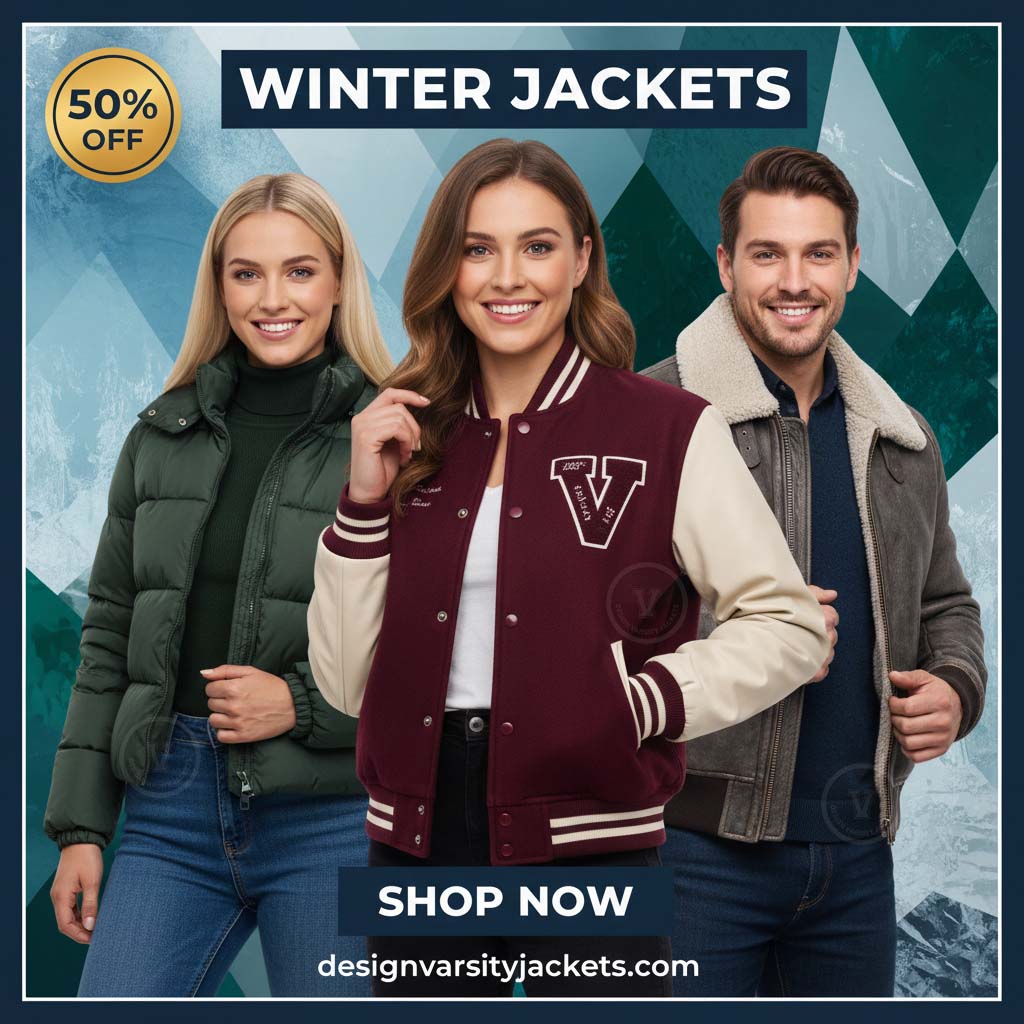
Winter Jackets with Durable Material: Your Guide to Season-Lasting Performance & Style
The arrival of winter brings a familiar ritual: the search for a jacket that can truly stand up to the season. Too often, we find ourselves with a closet full of options that promise warmth but deliver disappointment—pilling after a few wears, a torn seam in a crucial spot, insulation that flattens into uselessness, or a water-resistant coating that washes away after the first storm. This cycle of buying and replacing is more than an annoyance; it’s a compromise on comfort, value, and sustainability. The solution lies in shifting focus from mere warmth to foundational resilience.
This guide is dedicated to the art and science of selecting—and even creating—winter jackets with durable material, exploring how intelligent fabric choices and robust construction create outerwear that performs faithfully for years, not just months. At its core, durability transforms a winter jacket from a disposable seasonal purchase into a reliable companion and a long-term investment. It’s about garments engineered to resist abrasion from daily use, maintain their thermal efficiency season after season, and withstand the elements without failing.
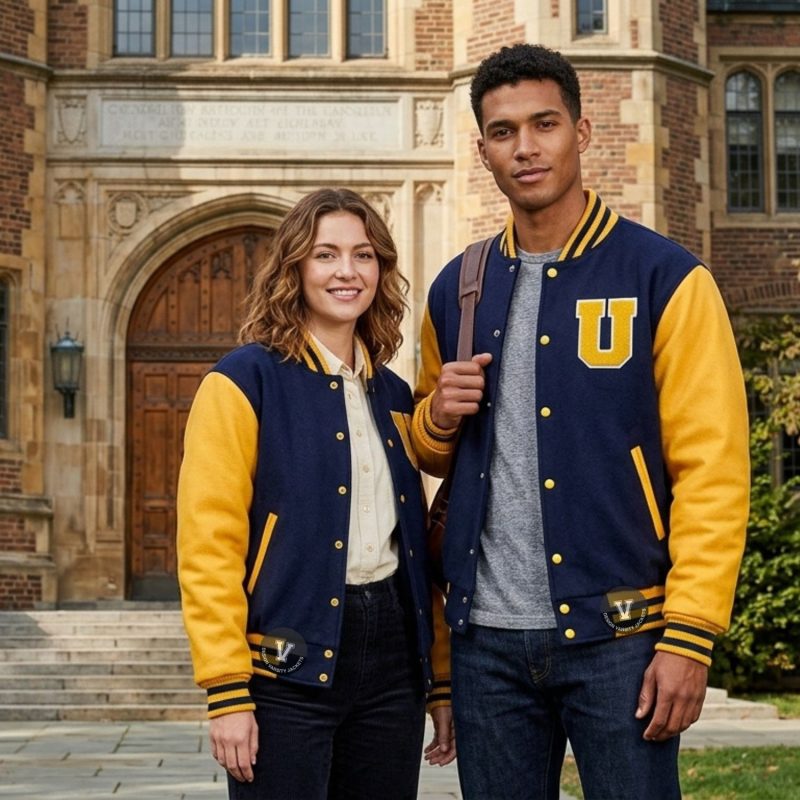
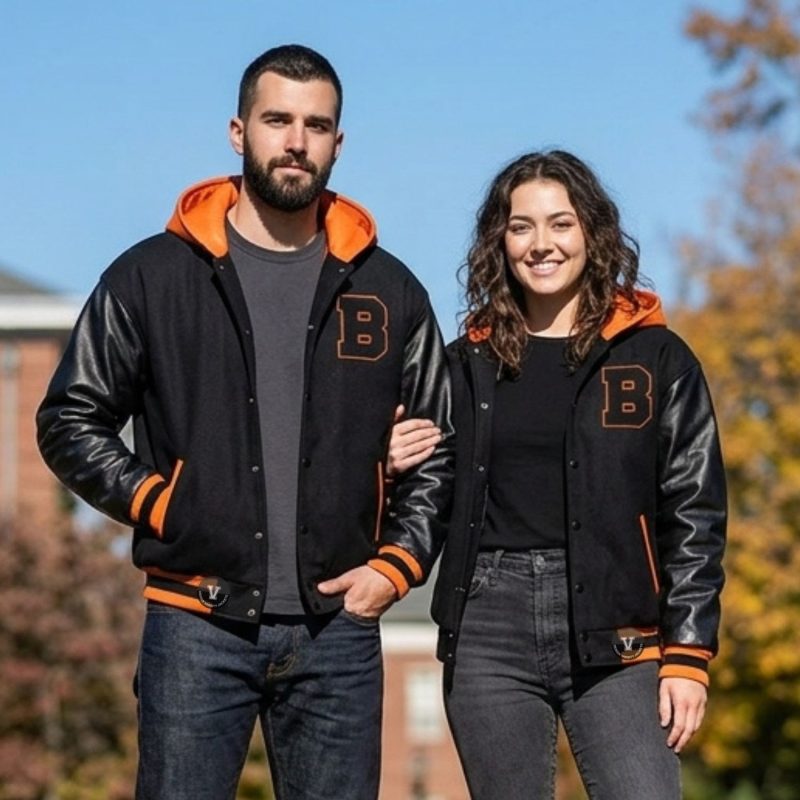
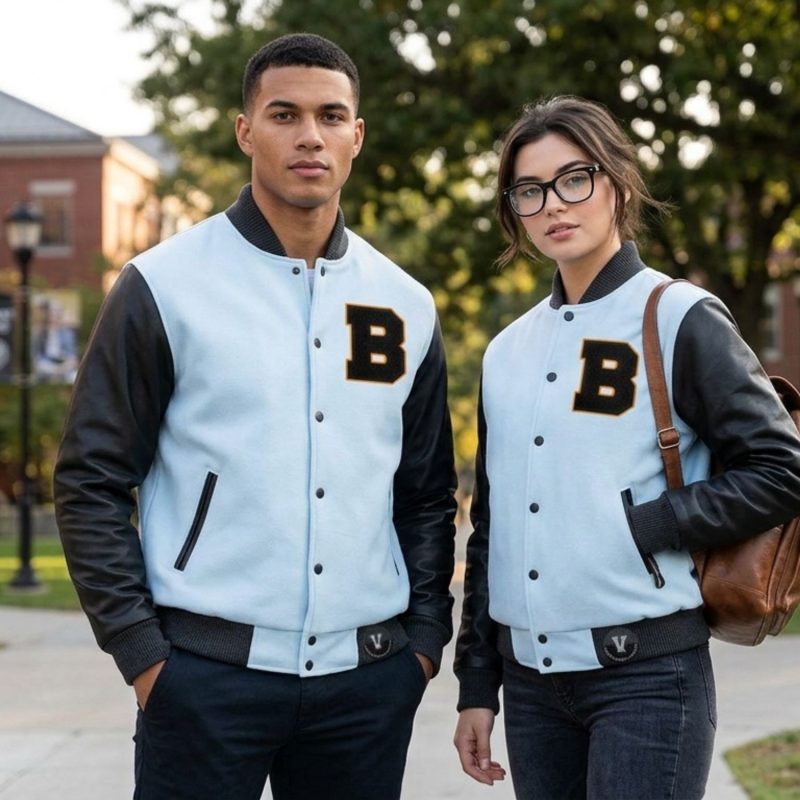
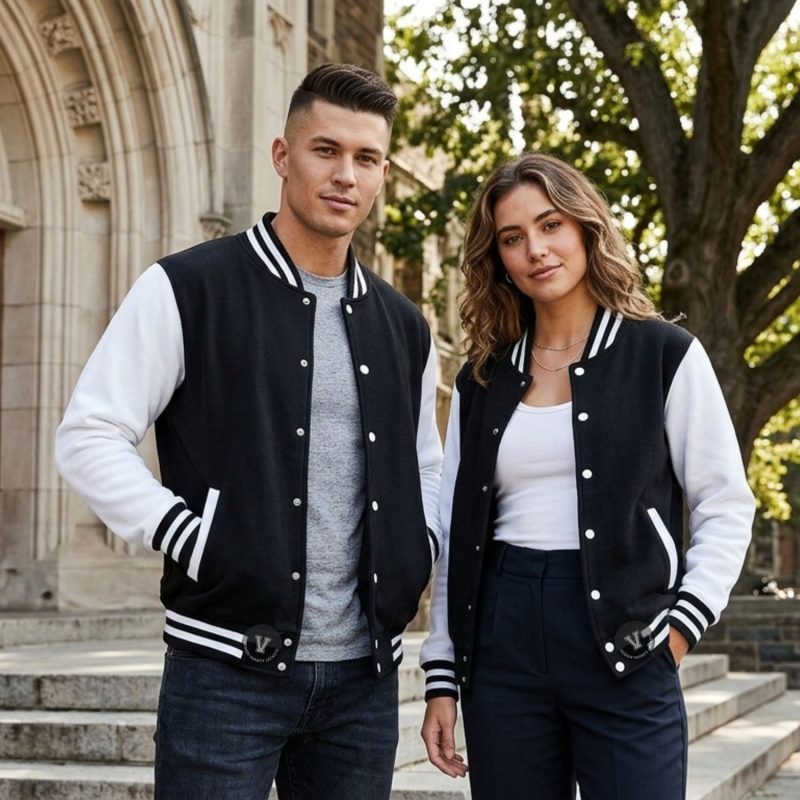
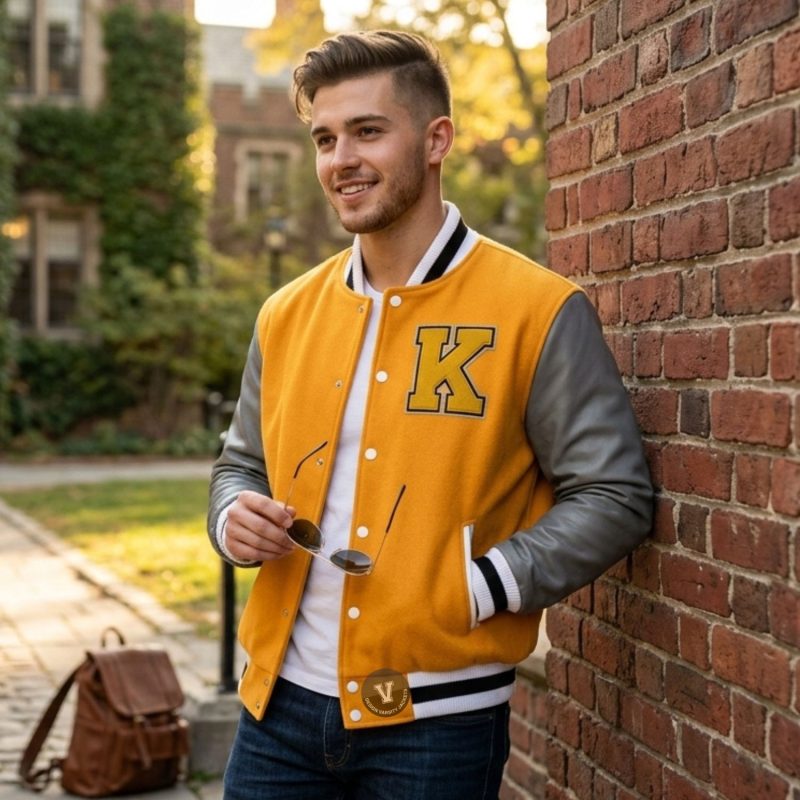
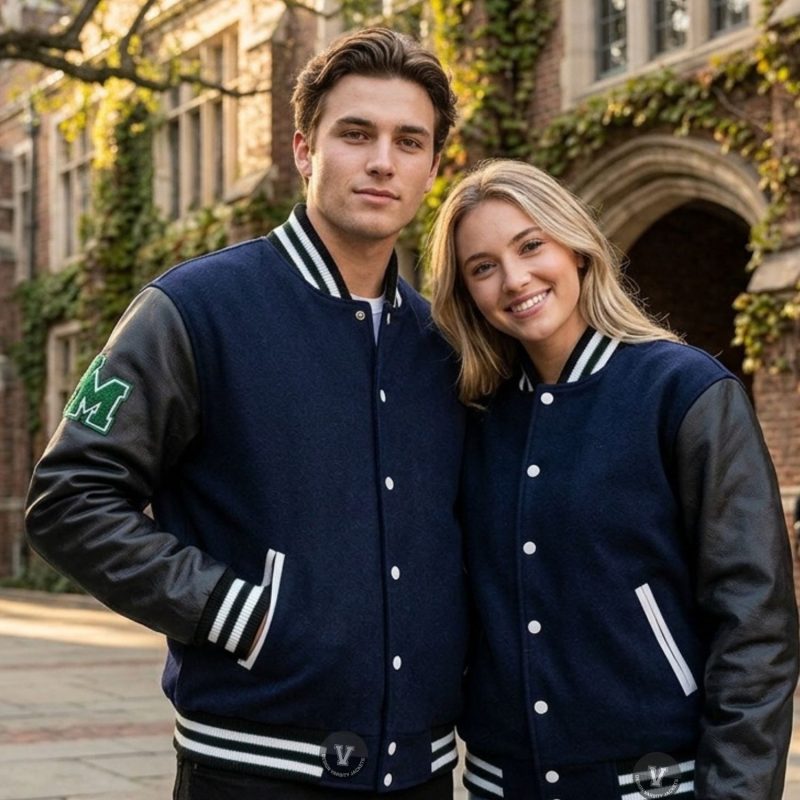
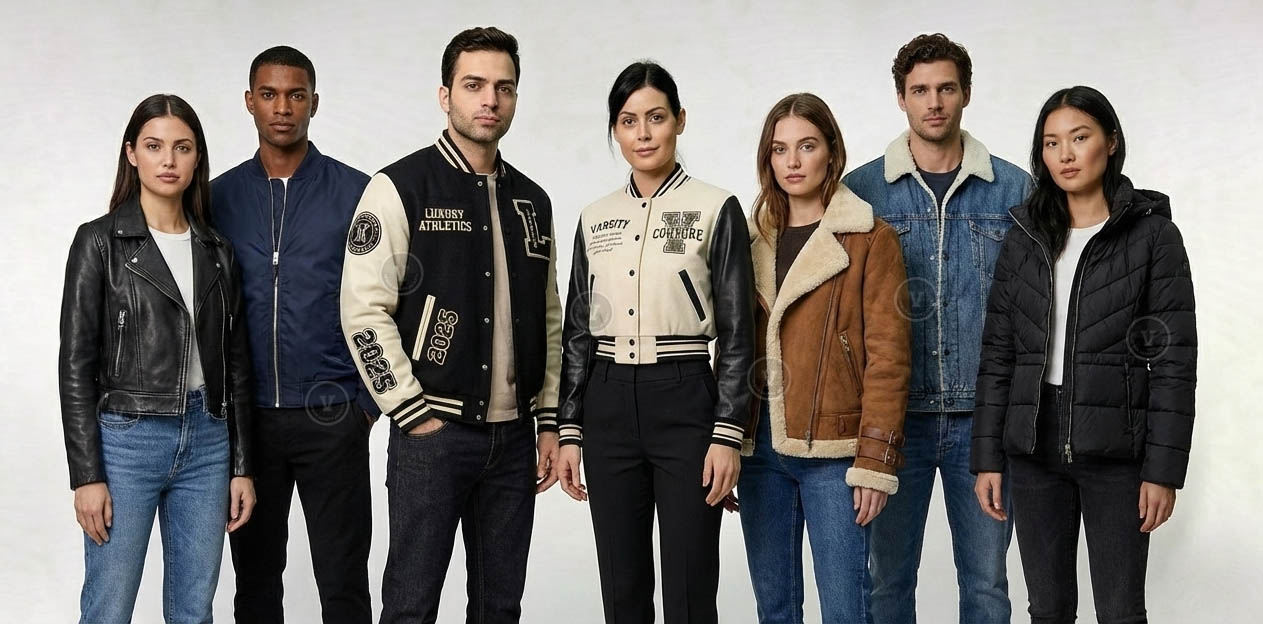
For those who value heritage craftsmanship, the iconic varsity jacket stands as a historical testament to this very principle. Built originally for the rigors of athletic life, its design is a blueprint for longevity. Whether you seek a ready-made style or envision a custom varsity jacket tailored to your specific needs, understanding what constitutes durable material is the first step toward owning winter wear that endures.
What Does “Durable Material” Really Mean for a Winter Jacket?
The phrase “durable material” is often used as a vague marketing term, but in functional terms, it represents a carefully engineered system. For a winter jacket, durability is not a single feature but a synergistic relationship between three critical components: the protective outer shell, the insulating mid-layer, and the fundamental construction that holds it all together. A failure in any one of these areas compromises the entire garment.
First, the outer shell serves as the primary shield. Its duty is to resist wind, repel moisture, and withstand physical abrasion from brushes against rough surfaces, backpack straps, or everyday wear and tear. The durability here is measured in fabric density, weave tightness, and the quality of any applied technical coatings.
Second, the insulation is the engine of warmth. Its durability is defined not by toughness, but by resilience—the ability to maintain its loft (the trapped air pockets that provide heat) over time and after repeated compression. Insulation that collapses or migrates thin spots after a single season fails the durability test, no matter how warm it initially feels.
Finally, the construction is the skeleton. It encompasses the strength of the stitching, the reinforcement at high-stress points like pockets and shoulders, and the quality of the hardware like zippers and snaps. The finest materials are rendered useless if joined by weak thread or faulty seams. True durability is found where premium materials meet precision craftsmanship, resulting in a jacket where every component, from the toughest nylon to the smallest button, is chosen for lasting performance.
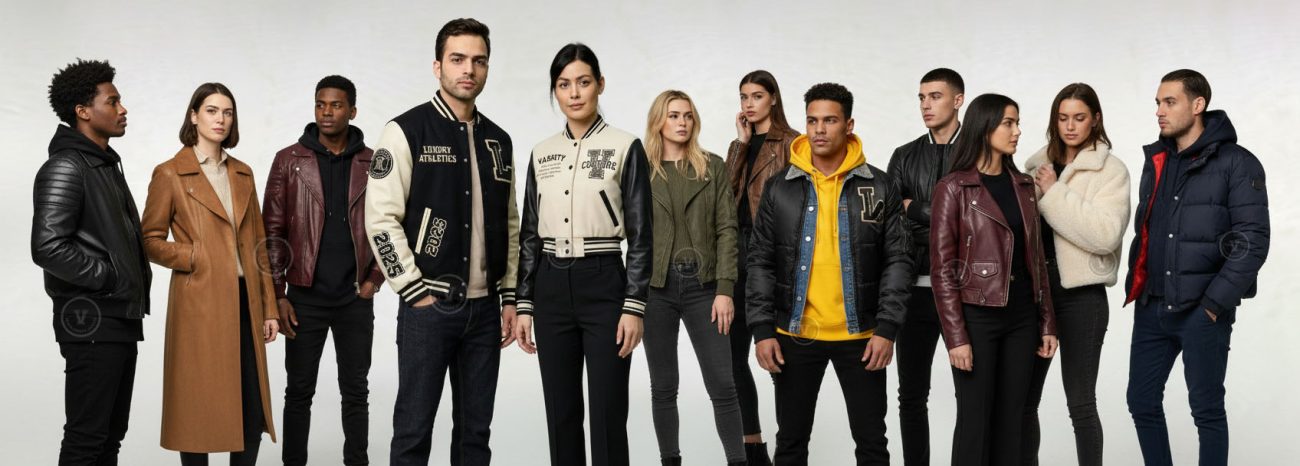
Understanding this synergy is key. To see how these principles are applied in a timeless garment, explore our gallery of resilient designs in our Portfolio.
The Outer Shell: Your First Line of Defense
The outer fabric of your jacket takes the brunt of the winter’s assault, making its composition the most visible factor in durability. Several materials excel in this role, each with distinct advantages.
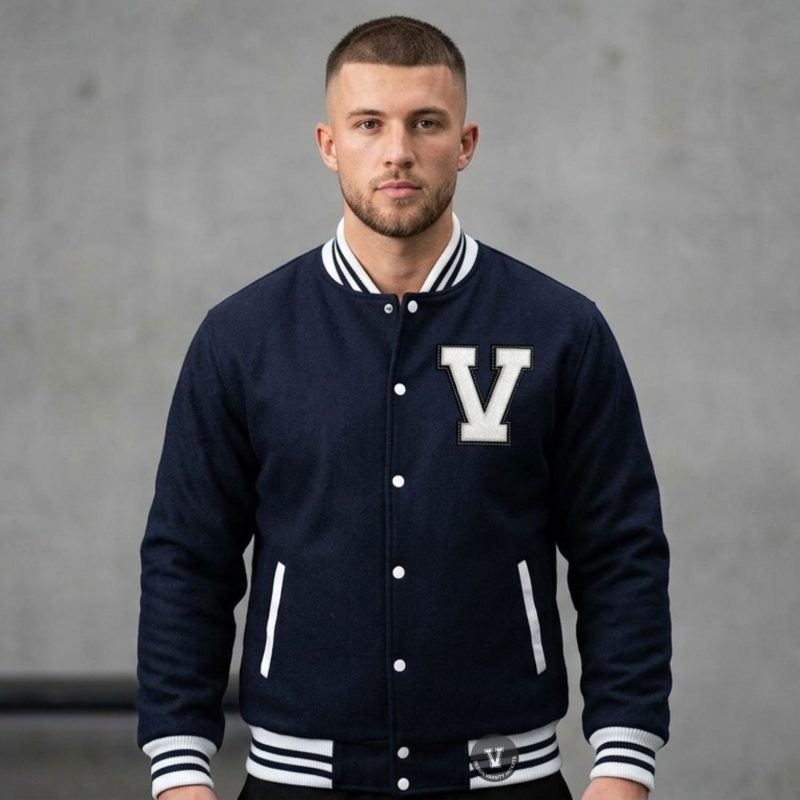
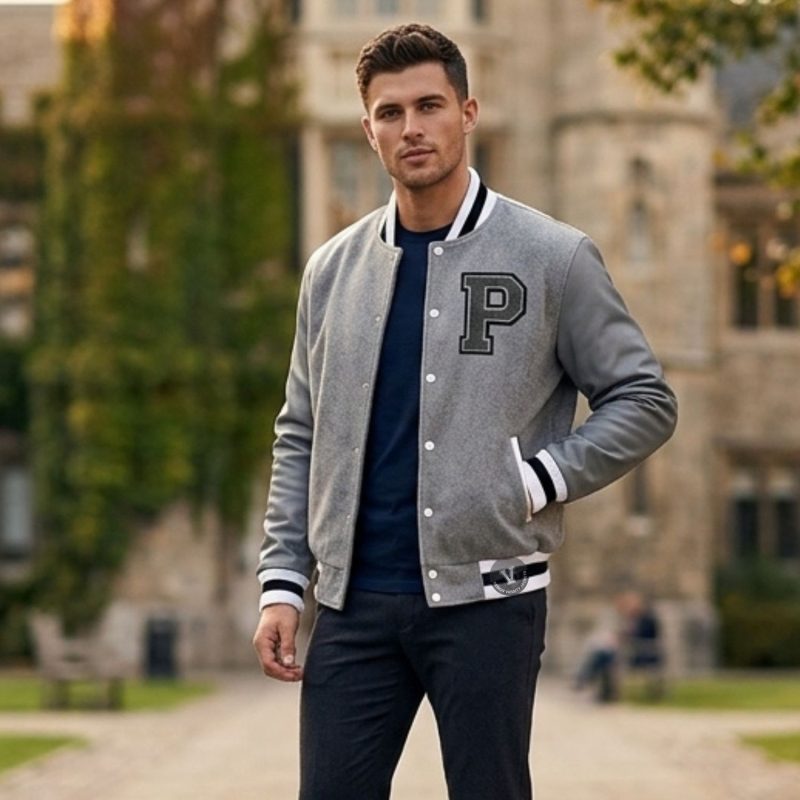
Dense Wool Melton is a heritage champion. Used for decades in classic letterman jackets and baseball jackets, this tightly woven, heavily felted wool fabric is naturally wind-resistant, remarkably resilient to pilling and tearing, and retains its structure superbly. Its weight and density provide a substantial barrier against the cold, and it develops a rich character over time rather than appearing worn out. For a traditional, rugged winter jacket with durable material, wool melton remains a premier choice.
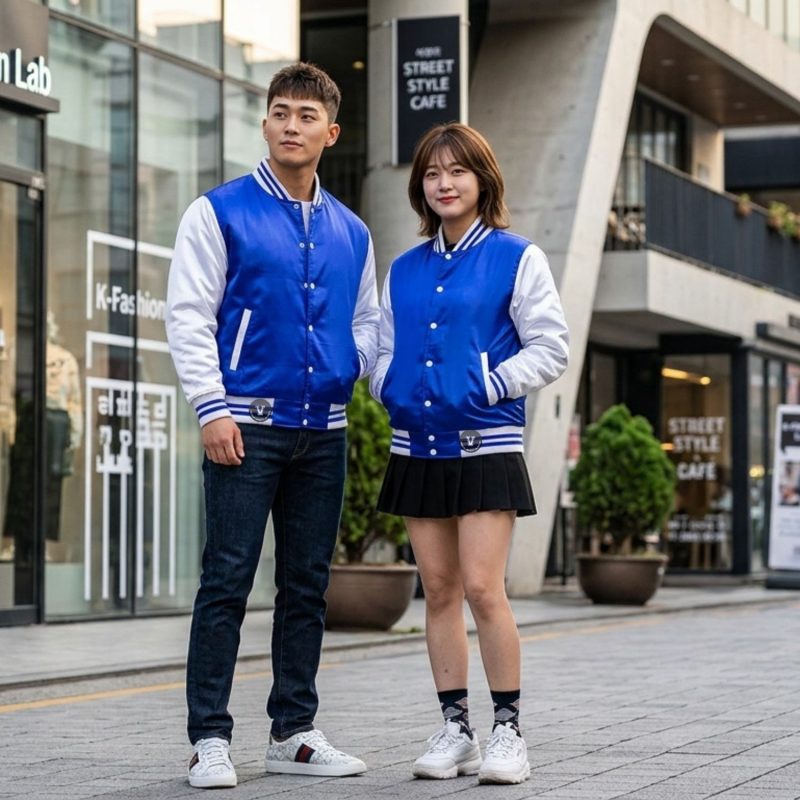
For more technical performance, high-denier Nylon and Polyester fabrics dominate. “Denier” refers to the thickness of the individual threads; a higher denier count indicates a thicker, more abrasion-resistant yarn. These synthetic shells are often treated with Durable Water Repellent (DWR) finishes that cause water to bead up and roll off. While the DWR may require rejuvenation over time, the underlying fabric’s resistance to rips and scuffs is exceptional, making it ideal for high-activity use or harsh conditions.
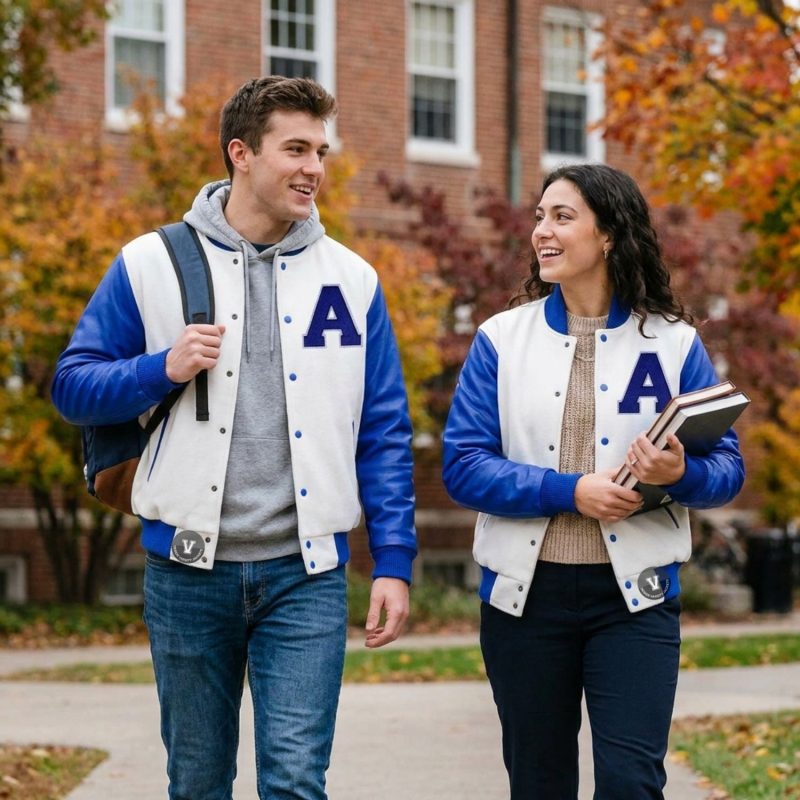
Then there is Leather, particularly the cowhide used in the sleeves of authentic varsity jackets. Leather is arguably one of the most durable outer shell materials available. It is highly abrasion-resistant, provides an excellent wind barrier, and, with proper care, develops a desirable patina that tells the story of its use. Unlike fabrics that may fray or tear, quality leather withstands immense wear, which is precisely why it was selected for the high-contact areas of traditional athletic school jackets and college jackets.
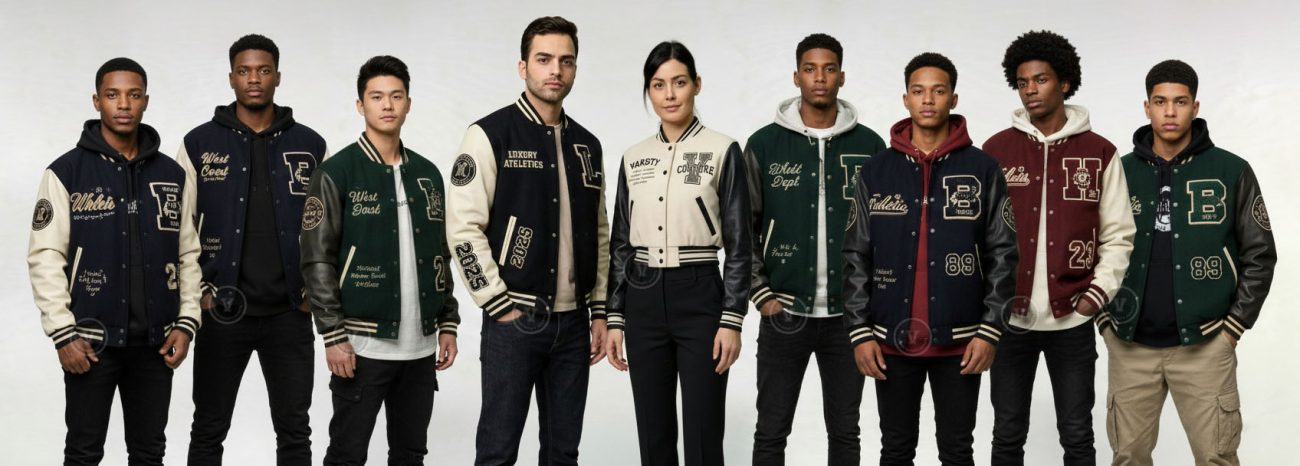
The choice of shell sets the tone for the jacket’s life. To explore jackets built on the durable foundation of wool and leather, browse our curated Varsity Jacket Category.
The Insulation Layer: Ensuring Warmth That Doesn’t Quit
Beneath the shell lies the critical layer that determines core warmth. The durability of insulation is measured by its ability to bounce back and retain its loft, which is its thickness and ability to trap heat.
High-Quality Synthetic Insulations like PrimaLoft® or Thermore® are engineered for resilience. Made from fine polyester fibers structured to mimic down, they excel at retaining warmth even when damp and recover their loft quickly after compression. This makes them a supremely durable choice for active lifestyles or damp climates, as their thermal performance remains consistent year after year with minimal care.
Down Insulation (goose or duck) offers an unparalleled warmth-to-weight ratio. Its long-term durability hinges on two factors: fill power (the volume one ounce of down occupies, indicating lofting ability) and the construction of the baffles that contain it. High-fill-power down from responsible sources can last decades if kept dry and stored properly. However, it can clump and lose insulating power if repeatedly exposed to moisture, so its durability is closely tied to use and maintenance.
The inherent Wool used in the body of a classic varsity jacket also serves as a natural insulator. While not a separate fill layer, dense wool melton provides substantial warmth through its ability to trap air within its fibers. Its insulating power is intrinsic and does not degrade from compression, offering a consistent, durable warmth that is integral to the jacket’s construction rather than an added layer that can fail.
We have a Design Lab, where you can customized your jacket the way you want it: Start Designing Your Jacket Now
Built to Endure: Construction and Reinforcements
Superior materials can be undone by poor assembly. The final, non-negotiable pillar of durability is construction. This is where craftsmanship separates a garment that looks good on a hanger from one that survives in the real world.
Reinforced Stitching is the first hallmark. Look for bar-tacking—a dense cluster of stitches—at major stress points: the corners of pockets, the base of the zipper, and where straps meet the body. This prevents seams from pulling apart under tension. The thread itself should be strong and UV-resistant to prevent degradation over time. In a well-made custom jacket, these reinforcements are standard, not an afterthought.
Seam Integrity is crucial. For waterproof or highly wind-resistant jackets, taped or sealed seams prevent moisture ingress. For wool and leather jackets like traditional varsity jackets, the joining of different materials (e.g., leather sleeves to a wool body) requires expert sewing to create a strong, clean seam that can handle the different fabrics’ behaviors.
Hardware Quality often reveals the builder’s intent. Heavy-duty metal zippers like YKK, robust snap buttons that fasten securely, and durable cord locks are indicators of a jacket built to last. These components face constant mechanical stress; choosing premium hardware is a direct investment in the garment’s functional lifespan. When you create personalized jackets through our platform, these standards of construction are upheld, ensuring your unique design is also a enduring one.
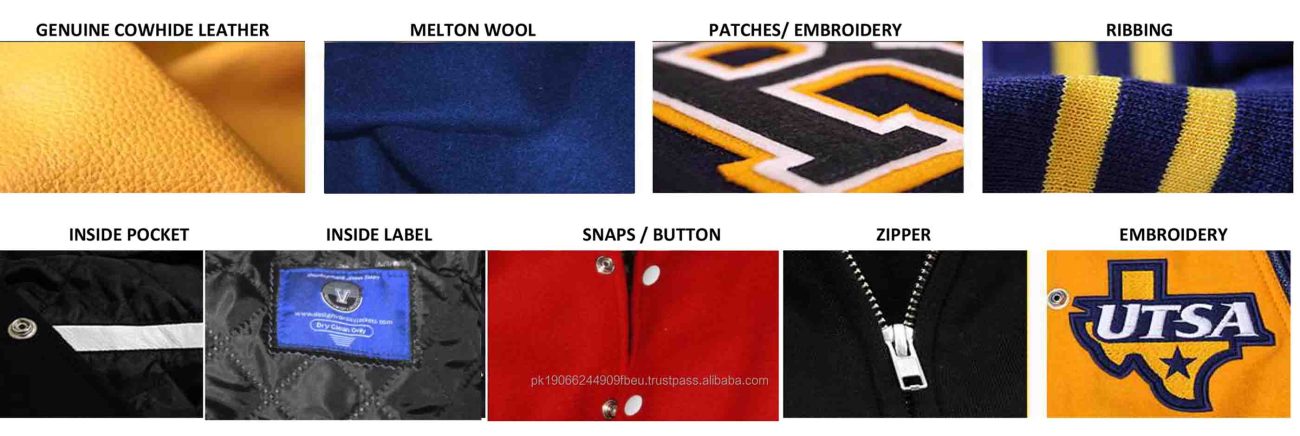
Do you have questions about the Material Quality of jacket construction? Message Our Experts
Why the Varsity Jacket is a Heritage Icon of Durability
To understand applied durability, one need look no further than the traditional varsity jacket. Its design was born not from fashion whims, but from the pragmatic needs of athletes requiring a robust uniform that could survive the rigors of sport and signify lasting achievement. Its entire anatomy is a lesson in using durable material for a specific, demanding purpose.
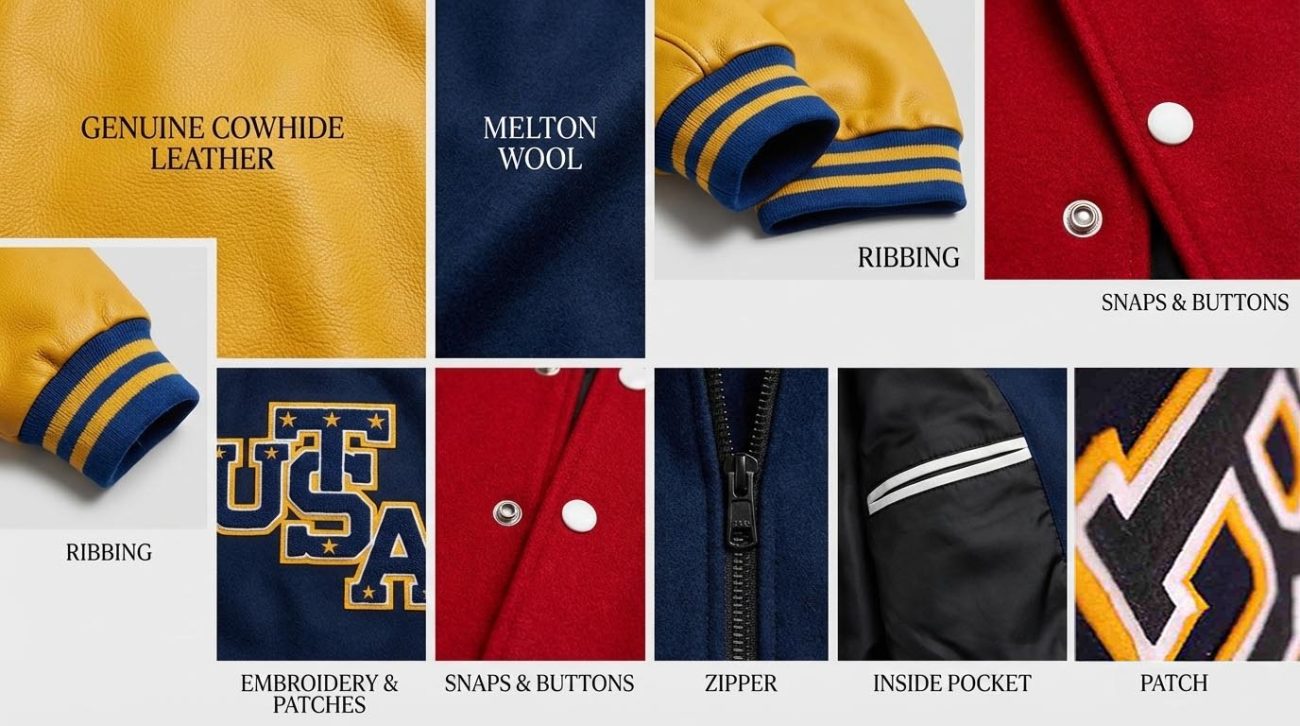
The Leather Sleeves were a practical solution for abrasion resistance. In sports like baseball or football, the arms and shoulders see frequent contact with equipment, the ground, and other players. Leather provided a tough, protective layer that could take this punishment far better than any wool or knit fabric. The Dense Wool Body provided core warmth and represented team colors with a material that resisted pilling and maintained its shape through active movement and frequent wear. The Ribbed Knit Collar, Cuffs, and Waistband made of resilient cotton or acrylic offered a flexible, snug fit that retained its elasticity to seal in heat.
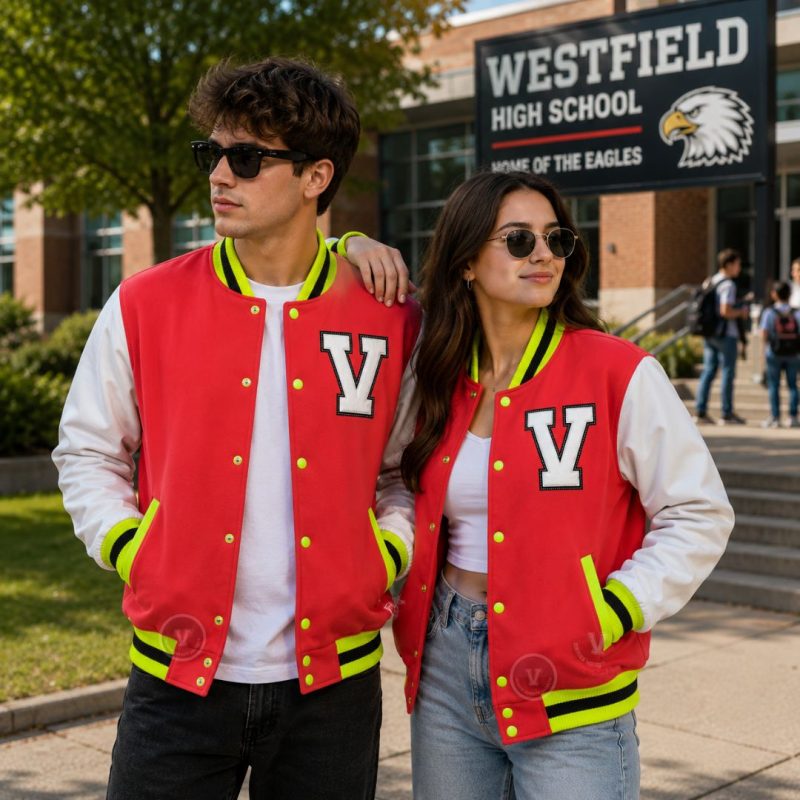
This purposeful selection of materials for specific zones of stress and function created a jacket that was, by necessity, durable. Today, this heritage design translates into a winter jacket with durable material that transcends the playing field. It is a pre-engineered system of resilience, making a classic letterman jacket or baseball jacket not just a style statement, but a legitimate choice for anyone seeking long-lasting outerwear with a story and structure built to match.
Designing Your Own Durable Winter Jacket: The Custom Advantage
While off-the-rack jackets force you to accept a manufacturer’s generic material choices, customization places the power of specification in your hands. This is the ultimate way to ensure your jacket meets your personal standards for durability. Through our interactive Design Lab, you are not just choosing colors and logos; you are making material decisions that directly impact the longevity of your garment.
The process allows you to consciously build a more durable custom varsity jacket. You can select a heavier-weight wool melton for the body, opt for a thicker, full-grain leather for the sleeves, and choose robust embroidery techniques for patches that will withstand years of wear and washing. This level of specification ensures the final product aligns with your climate, activity level, and aesthetic, transforming it from a purchase into a personal investment. The result is a personalized jacket where every element, down to the stitch, is chosen with intent, inherently increasing its durability and personal value. When you control the materials, you control the lifespan.
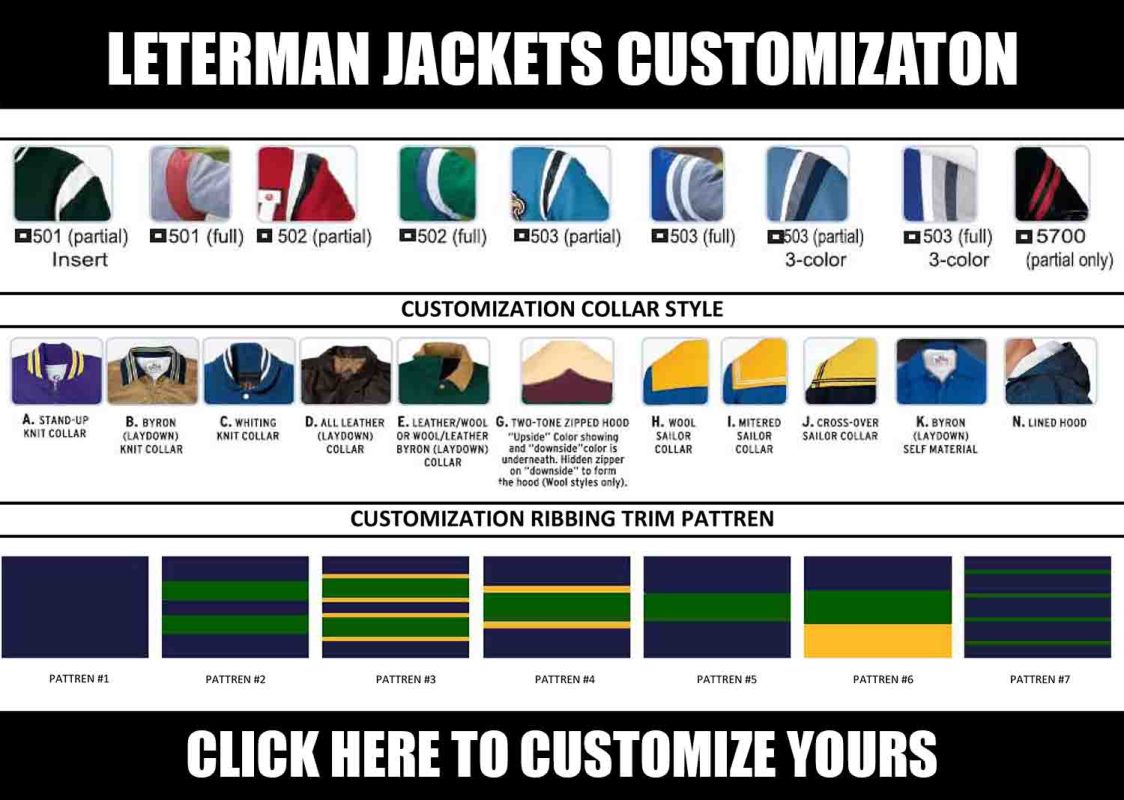
Ready to specify your own durable materials? Begin the intentional design process in our Design Lab.
Durability for the Whole Team: Bulk Orders Built to Last
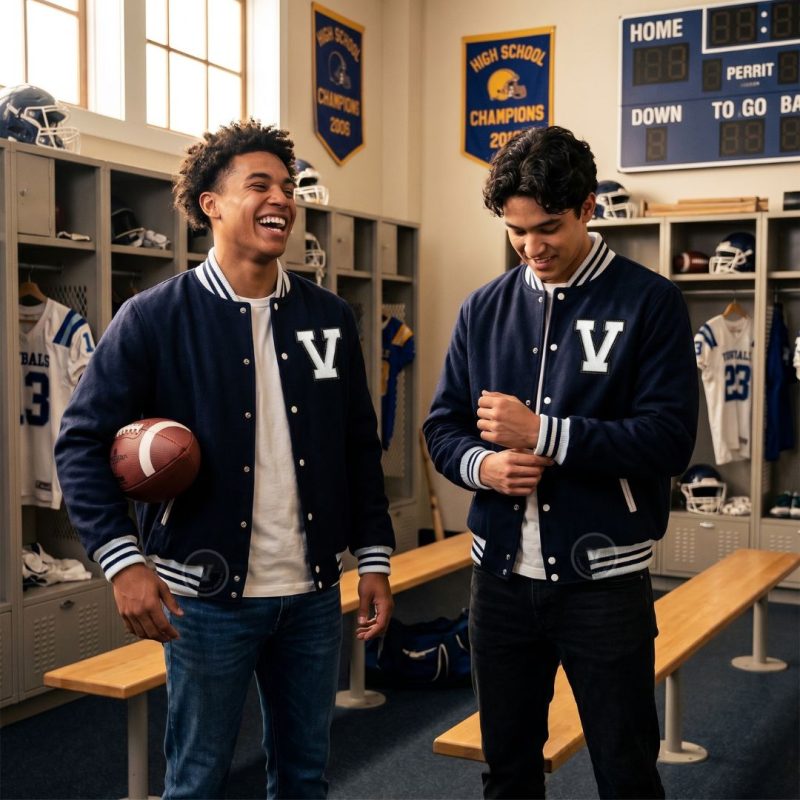
The need for reliable, long-lasting outerwear is magnified when outfitting a group. Whether for sports teams jackets, corporate uniforms, or university college jackets, the economic and practical logic is clear: investing in durable gear upfront eliminates the costly and frustrating cycle of annual replacements. Our dedicated Bulk Order service applies the same rigorous material and construction standards at scale. We understand that a team’s jacket must withstand shared, intensive use—from bus travel and sideline conditions to daily wear as a point of pride.
By utilizing the same durable wool, leather, and reinforced construction for every unit in a group order, we ensure consistency in quality and performance. This approach provides exceptional value over time, as the cost-per-wear plummets for a jacket that remains intact and presentable for five seasons rather than two. For organizations, choosing winter jackets with durable material is a strategic decision that projects professionalism and cares for members by providing gear they can depend on.
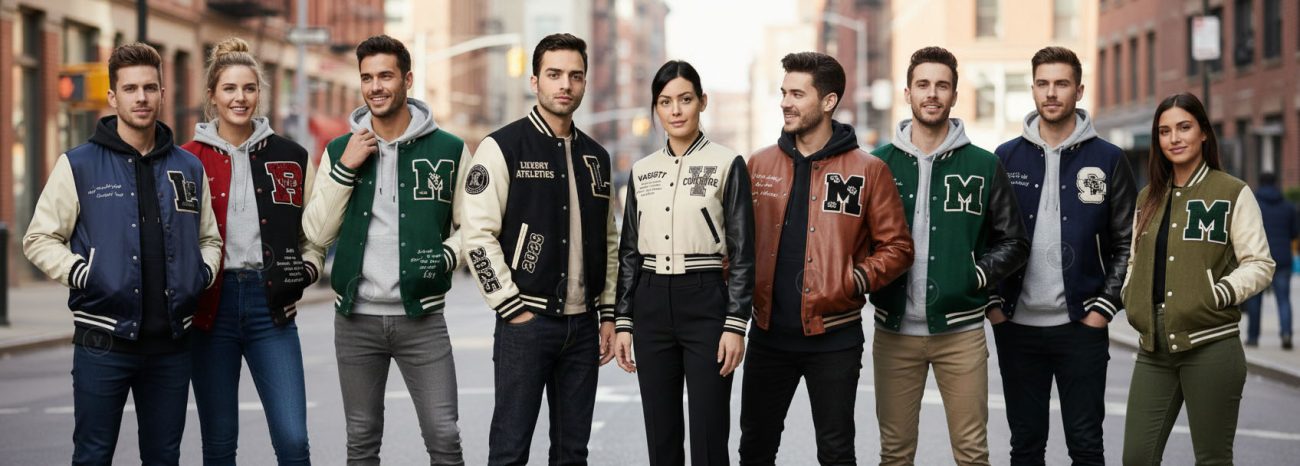
Equip your entire team with jackets designed for legacy. Learn more about our streamlined Bulk Order process.
Caring for Your Investment: Maintenance for Maximum Longevity
Owning a durable jacket is a partnership; the materials provide the potential, but proper care unlocks their full lifespan. Maintenance is the final, crucial step in the durability cycle.
For Wool and Leather Jackets like classic varsity jackets, avoid frequent machine washing. Instead, spot clean stains with a damp cloth and a mild detergent. For a full clean, professional dry cleaning is the safest bet to preserve the leather’s integrity and the wool’s shape and finish. Store your jacket on a broad, padded hanger in a cool, dry place to maintain its structure. For leather sleeves, an occasional application of a leather conditioner will prevent drying and cracking, keeping the material supple.
For technical synthetic shells, follow the manufacturer’s cleaning instructions to rejuvenate the DWR coating. Tumble drying on low heat can often help restore the finish. Always ensure your jacket is completely dry before storing it for the off-season to prevent mildew and insulation clumping. By adopting these simple care habits, you actively participate in extending the life of your winter jacket with durable material, ensuring it remains a reliable part of your wardrobe for countless seasons to come.
Frequently Asked Questions: Durable Winter Jackets
1. What is the most durable outer shell material for everyday winter use?
For a balance of classic resilience, aesthetic, and warmth, dense wool melton is exceptionally durable for everyday urban and suburban wear. For high-abrasion activities or very wet conditions, a high-denier nylon with a DWR coating is typically the most technically durable.
2. Can a wool jacket be as durable as a technical synthetic one?
Yes, but in different ways. Wool melton excels in resisting pilling, maintaining structure, and withstanding wind. It is also more resistant to odors. Technical synthetics may outperform wool in extreme abrasion tests and dry faster. The choice depends on the specific “wear and tear” you anticipate.
3. How do I know if the insulation in a jacket will last?
Look for reputable insulation brands (e.g., PrimaLoft, 3M Thinsulate, high-fill-power down). Read reviews focusing on long-term use. Higher-quality synthetics and down with higher fill power typically retain their loft better over many years. In a custom jacket, you can often specify the insulation type and weight.
4. Are custom-made jackets more durable than off-the-rack ones?
They can be, significantly. Off-the-rack jackets are built to a price point for a mass market, which often leads to compromises in material thickness and construction details. A custom varsity jacket allows you to select superior materials and is typically constructed with greater attention to detail, as it is made to order rather than mass-produced.
5. What are the most common points of failure in a winter jacket, and how are yours reinforced?
Common failures include ripped pocket corners, broken zippers, torn seams at the shoulder/armpit, and insulation compaction. Our jackets address these with bar-tacking at stress points, quality YKK zippers, reinforced stitching at material junctions (like leather to wool), and the use of resilient materials from the outset.
6. How should I clean my durable wool and leather varsity jacket?
We recommend spot cleaning for minor stains. For a full clean, professional dry cleaning is essential. Inform the cleaner about the leather components. Do not machine wash or tumble dry, as this can shrink the wool, ruin the leather’s finish, and damage internal constructions.
7. Do you offer warranties on your jackets based on material durability?
While we do not offer a standard long-term warranty, we stand behind our craftsmanship. If a jacket exhibits a material or manufacturing defect under normal use, we will work with you to find a resolution. Our commitment is to build jackets so durable that such issues are rare. You can see evidence of this in our customer Google Reviews.
For more insights on construction and care, our detailed FAQ page is a valuable resource.
Invest in Warmth That Withstands the Test of Time
The pursuit of the perfect winter jacket ultimately leads to a simple truth: durability is the ultimate form of value. It is the difference between a temporary barrier against the cold and a trusted piece of your wardrobe that earns its place year after year. By prioritizing winter jackets with durable material, you choose cost-effectiveness, environmental responsibility, and the irreplaceable confidence that comes from dependable performance.
This journey through materials, construction, and care underscores that true durability is a thoughtful fusion of science, craftsmanship, and intention. From the heritage-proven design of a varsity jacket to the modern possibilities of a fully personalized jacket, the opportunity exists to own outerwear that is as resilient as it is distinctive.
Your search for a jacket that endures starts here. Explore our entire collection of robust, well-crafted outerwear in our All Products Shop.
Have specific questions about materials or need advice for your use case? Our team of experts is ready to help. Connect with us directly on WhatsApp or through our Contact Us page for personalized guidance.