Blog
Difference Between Winter Jackets Types
5 Key Difference Between Winter Jackets Types You Need to Know
As temperatures drop, the search for the perfect outerwear begins. But stepping into the world of winter jackets can feel like deciphering a complex code. Puffer, parka, bomber, varsity—each promises warmth, but they are fundamentally different tools for different jobs. Choosing the right one isn’t just about picking the warmest; it’s about matching a jacket’s history, construction, and design philosophy to your climate, lifestyle, and personal identity.
This guide cuts through the noise. We’ll break down the key differences between winter jacket types, exploring not just what sets them apart, but why those distinctions matter for your comfort, style, and needs. By understanding the unique blueprint of each category, you can move beyond guesswork and select the jacket that truly fits your winter.
Navigating the World of Winter Outerwear
The perfect winter jacket is a hybrid of science and style. Its primary mission is to protect you from the elements by trapping your body heat while managing moisture and blocking wind. To understand how different types achieve this, we must first look under the hood at two core concepts: insulation and shell.
Insulation is the magical layer that creates warmth. The most common types are:
-
Down: The fluffy undercoating from waterfowl, renowned for its exceptional warmth-to-weight ratio and compressibility. Its effectiveness is measured by “fill power.”
-
Synthetic: Human-made fibers like polyester that mimic down. They retain heat better when wet and are often more affordable, though typically heavier for equivalent warmth.
The shell is the outer fabric that protects the insulation. It ranges from lightweight, breathable softshells to fully waterproof, windproof hardshells. The balance between weather protection, breathability, and durability is a key differentiator between jacket types.
With this foundation, let’s explore the distinct personalities of the most popular winter jacket categories.
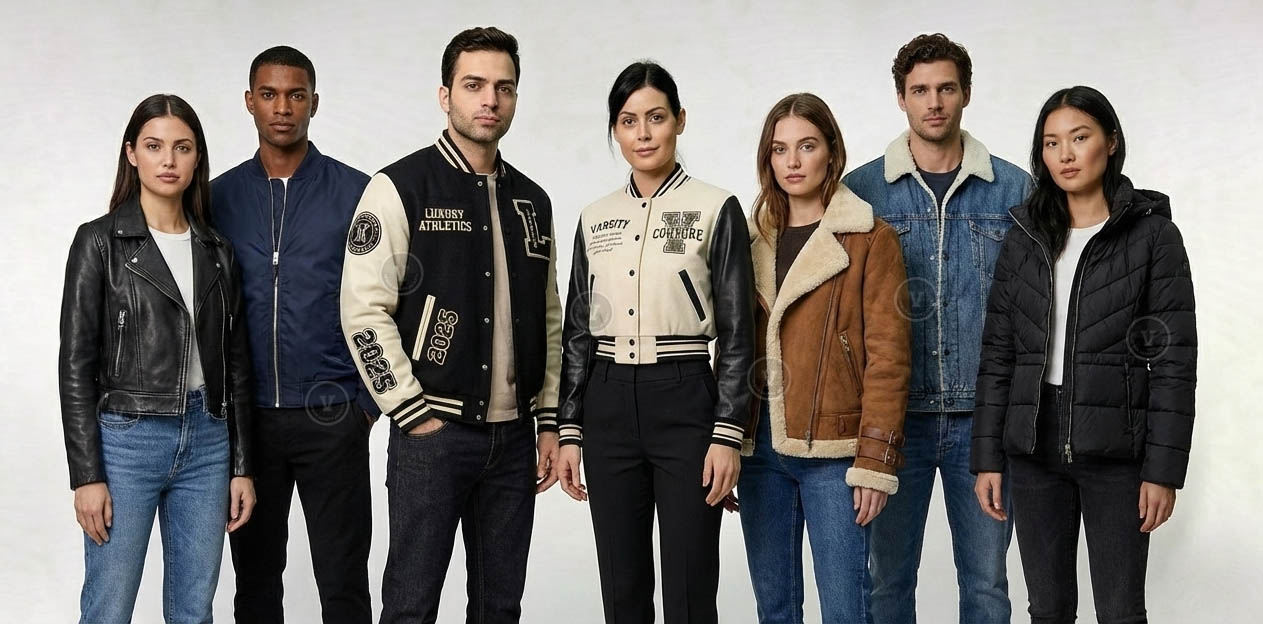
Discover the classic foundation of this warm hybrid style. Browse our core collection of Varsity Jackets to see the various wool and leather combinations.
The Insulation Blueprint: How Winter Jackets Trap Heat
Before comparing specific styles, it’s crucial to understand the engineering behind warmth. A winter jacket is essentially a carefully engineered thermal barrier. Its performance hinges on its ability to create and maintain dead air spaces—tiny pockets of stagnant air that your body heats up. The insulation material (down or synthetic) is designed to “loft” or fluff up, creating these millions of micro-pockets.
The outer shell’s job is to defend this warm, still-air matrix from its two biggest enemies: wind and moisture. Wind strips away the warm air, while moisture, whether from rain or sweat, can collapse insulation and draw heat from the body. Therefore, the differences between a parka and a varsity jacket aren’t merely aesthetic; they represent divergent solutions to the problem of cold, optimized for different priorities—be it extreme weather protection, lightweight activity, or symbolic identity.
Understanding these principles of materials and construction is the first step to making an informed choice. It’s the reason why a sleek wool college jacket and a bulky technical puffer, while both warm, serve entirely different masters.
Ready to see how premium materials translate into timeless style? Explore the craftsmanship behind our custom creations on our About Us page.
The Puffer Jacket: Lightweight Maximum Warmth
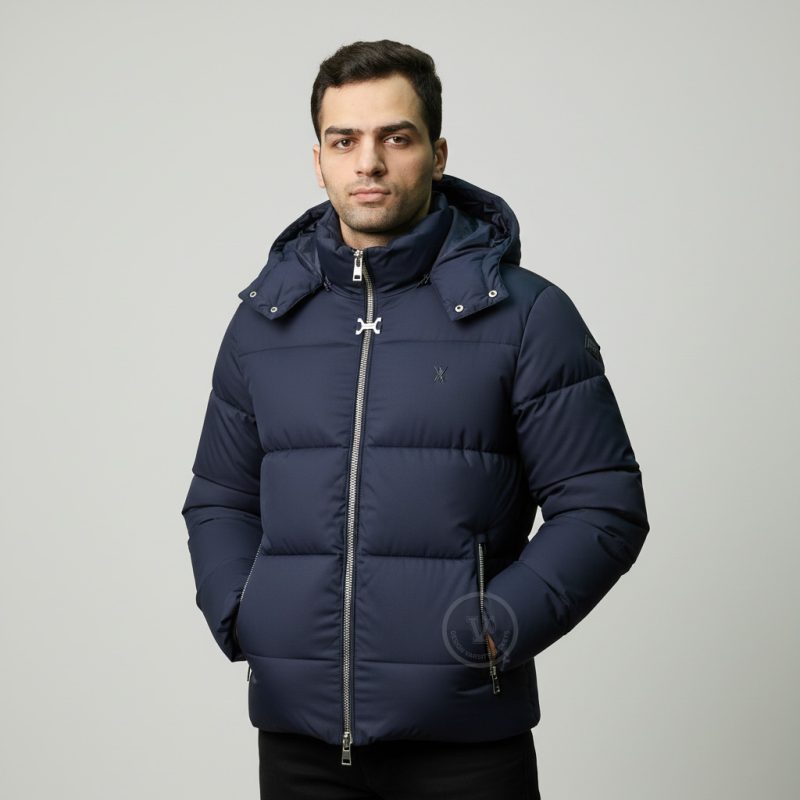
The puffer jacket is the undisputed champion of pure, lightweight insulation. Instantly recognizable by its quilted, baffled pattern, its sole purpose is to create the most efficient warmth-to-weight ratio possible.
Key Differences & Identity:
Its defining feature is the sewn-through or box-baffle construction. These stitches create compartments that hold the insulation in place, preventing it from shifting and creating cold spots. This design prioritizes minimal weight and maximum loft. You’ll rarely find heavy outer fabrics here; instead, puffers use thin, durable nylon or polyester shells to let the insulation do the work.
Best For & Material Hallmark:
This jacket is engineered for extreme, dry cold where every ounce matters. It’s the choice for winter hiking, alpine sports (as a mid-layer), or any urban environment where the mercury plunges. Its hallmark is high-fill-power down or advanced synthetic fills like PrimaLoft®. Style-wise, it leans sporty and technical, though fashion brands have adopted the silhouette with luxurious finishes.
The Parka: The Arctic Defender
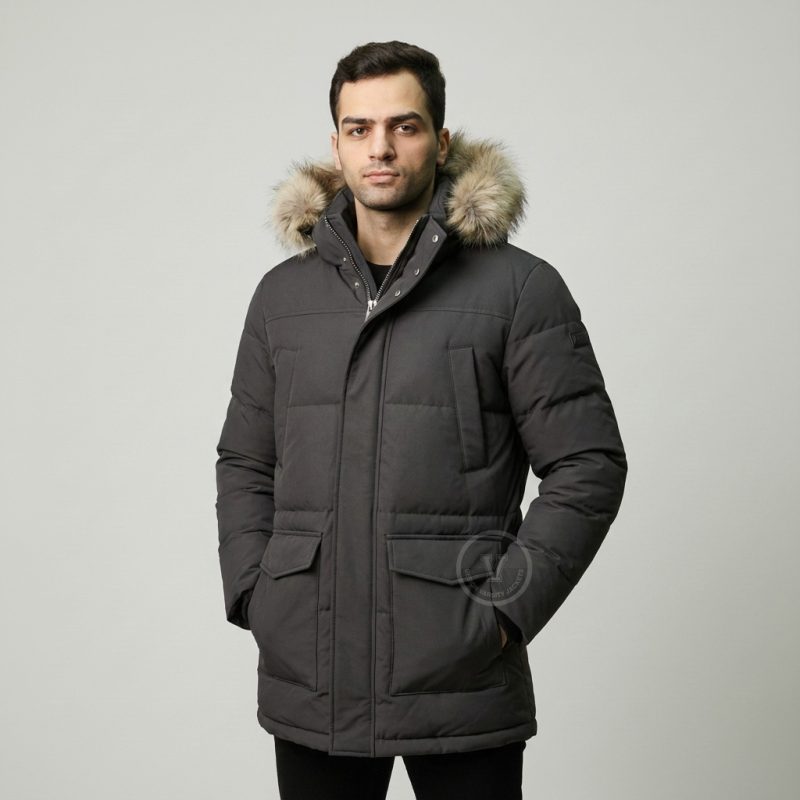
If the puffer is a sprinter, the parka is a marathon runner built for endurance. It is the heavyweight, long-haul defender against the most brutal winter conditions, combining substantial insulation with extended coverage and protective features.
Key Differences & Identity:
The parka’s most obvious difference is its length—often extending to the mid-thigh or knee. This provides critical warmth to the core and upper legs. Its second key feature is a substantial, insulated hood, frequently trimmed with real or faux fur to disrupt wind and trap heat around the face. It’s built with a durable, often waterproof, hard-shell exterior and is loaded with functional details like multiple insulated pockets, storm flaps over zippers, and robust outer fabrics.
Best For & Material Hallmark:
The parka is for surviving and thriving in wet, windy, and profoundly cold climates. It’s the urban dweller’s fortress against slushy streets and biting winds. Its hallmark is a combination of dense synthetic or down insulation and a tough, weather-resistant shell like Gore-Tex or a heavy-duty nylon with a durable water-repellent (DWR) finish. The style is utilitarian and protective, projecting a sense of rugged preparedness.
The Bomber Jacket: The Versatile Midweight
The bomber jacket, with its iconic ribbed hem, cuffs, and front zipper, represents a perfect balance between warmth, mobility, and timeless cool. Originating as military flight gear (the MA-1), it has been adopted by countless subcultures to become a versatile wardrobe staple.
Key Differences & Identity:
Its difference lies in its balanced, mid-weight approach and clean silhouette. It provides moderate insulation—often a thin synthetic layer or a warm lining—but its primary strength is its wind-resistant outer shell and body-hugging fit. Unlike longer jackets, the bomber’s waist-length design prioritizes freedom of movement and a sharp, casual look. It’s a barrier against chill, not a deep-freeze shelter.
Best For & Material Hallmark:
The bomber excels in cool to cold (but not extreme) weather. It’s the perfect everyday jacket for fall and early winter, ideal for casual outings, travel, or a night out. Its hallmark materials are nylon, leather, or satin for the shell. The style is universally recognized as cool, effortlessly bridging the gap between heritage, sportswear, and high fashion.
The Varsity Jacket: The Icon of Achievement & Custom Style
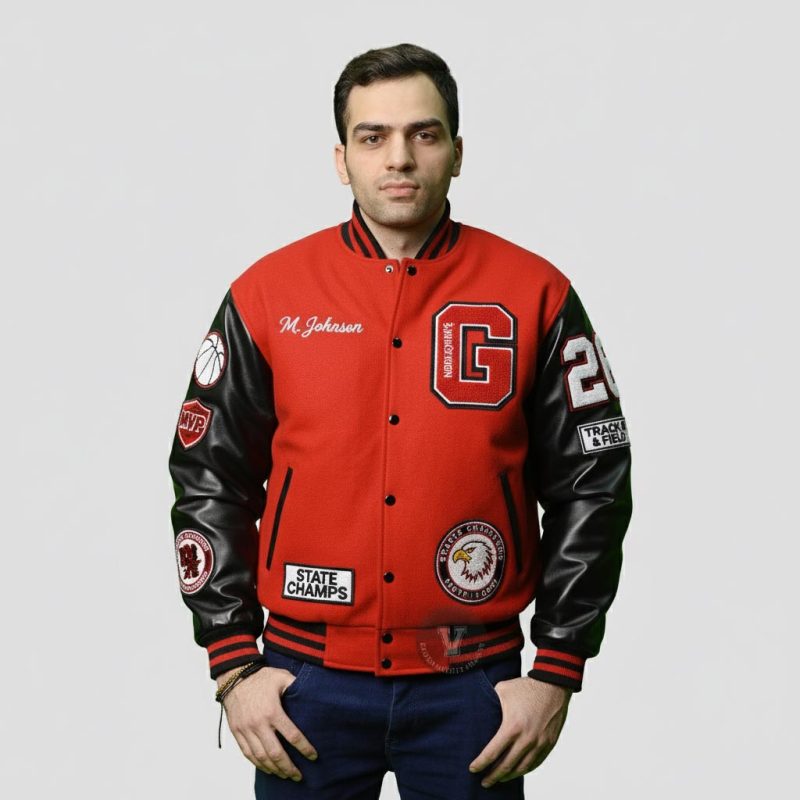
Here is where winter wear transcends pure utility and enters the realm of identity. The varsity jacket, also known as the letterman jacket or baseball jacket, is not defined by its technical specs alone, but by its symbolic weight and unparalleled potential for personalization. It represents a different category of warmth—one of belonging, memory, and personal statement.
Key Differences & Identity:
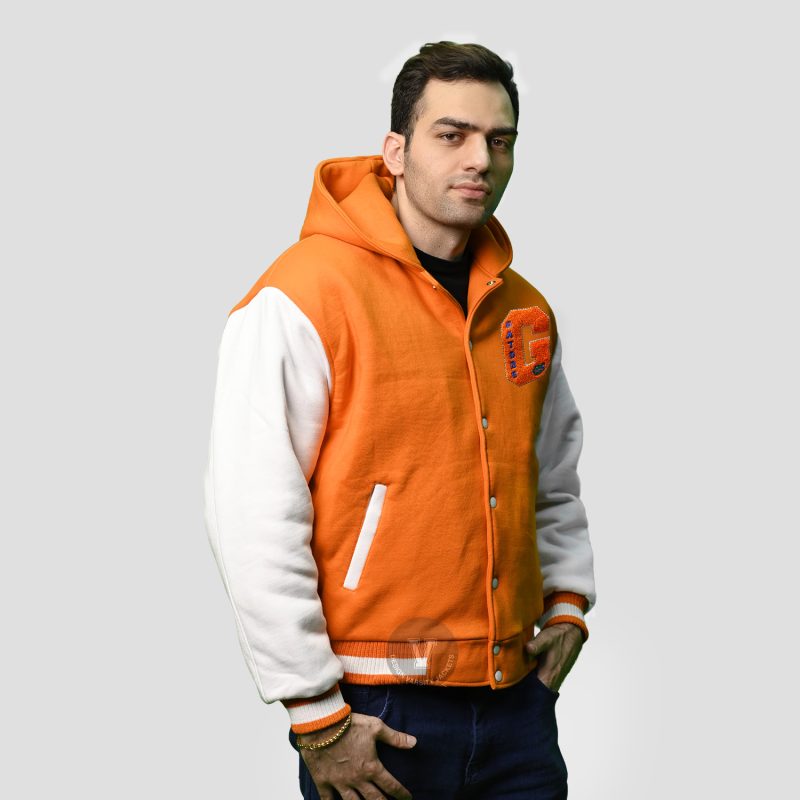
The difference is immediately visible in its construction: a contrasting wool melton or heavy knit body paired with genuine leather or suede sleeves. This isn’t about ultra-light loft; it’s about substantial, traditional materials that offer robust warmth and durability. Its core identity, however, is customization. From its origins as a reward for school athletes, the varsity jacket has evolved into the ultimate canvas for personalized jackets. It is distinguished by its chenille patches, embroidered lettering, and color combinations that tell a unique story.
Best For & Material Hallmark:
This jacket is ideal for cool to cold, dry weather. It is the definitive choice for representing a team, school, club, or company—making it the premier choice for teams jackets. Beyond teams, it’s for anyone who views their outerwear as an extension of their personal brand. Its hallmark is premium tactile materials: thick wool, soft but tough leather, and richly textured chenille. The style is classic, sporty, and deeply meaningful. This is the specialty of Design Varsity Jackets, where we transform the iconic silhouette into a one-of-a-kind heirloom through our custom varsity jackets service.
The Fleece Jacket & Softshell: The Active Layers
These categories are often worn as standalone pieces in mild conditions or as crucial components of a layering system for high-output activities. They prioritize breathability and mobility above all-out insulation.
Key Differences & Identity:
-
Fleece Jacket: Its difference is in its simplicity and coziness. Made from brushed polyester, it creates warmth by trapping air in its fuzzy pile. It is exceptionally breathable and quick-drying but offers zero protection from wind or rain. It’s the quintessential mid-layer.
-
Softshell Jacket: This is fleece’s more capable sibling. A softshell adds a wind-resistant, water-repellent, and often stretch-woven outer face to a fleecy interior. It provides a wider range of weather protection and greater durability while maintaining excellent breathability and freedom of movement.
Best For & Material Hallmark:
Both are designed for activity. They are perfect for hiking, running, skiing (as a mid-layer under a hardshell), or any scenario where you’ll generate body heat. The fleece’s hallmark is its plush polyester grid. The softshell’s hallmark is a technical, stretch-woven fabric like Polartec® Power Stretch. Their style is athletic and functional.
The Wool Coat & Peacoat: The Timeless Classics
These jackets derive their warmth and style from woven, natural fabrics. They represent the intersection of tradition, tailoring, and sophisticated warmth.
Key Differences & Identity:
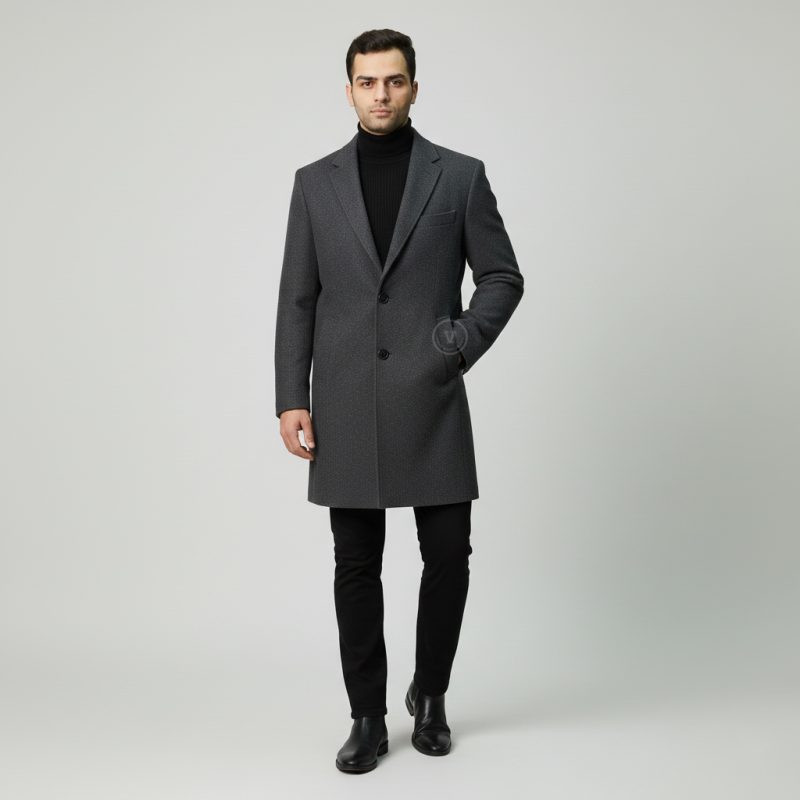
Their difference lies in their structured, formal heritage and reliance on the natural insulating properties of wool. A wool overcoat or a double-breasted peacoat provides excellent, breathable warmth through dense, tightly woven fabric. They offer a sharp, tailored silhouette that is inherently more formal than any sport-derived jacket. Warmth comes from the quality and weight of the wool itself, not from a separate insulated lining (though some may have one).
Best For & Material Hallmark:
These are the champions of urban, professional, and dressy winter wear. They are ideal for city commuting, office environments, or occasions where a polished appearance is required. The hallmark material is a heavy wool melton, cashmere blend, or tweed. The style is timeless, sophisticated, and authoritative.
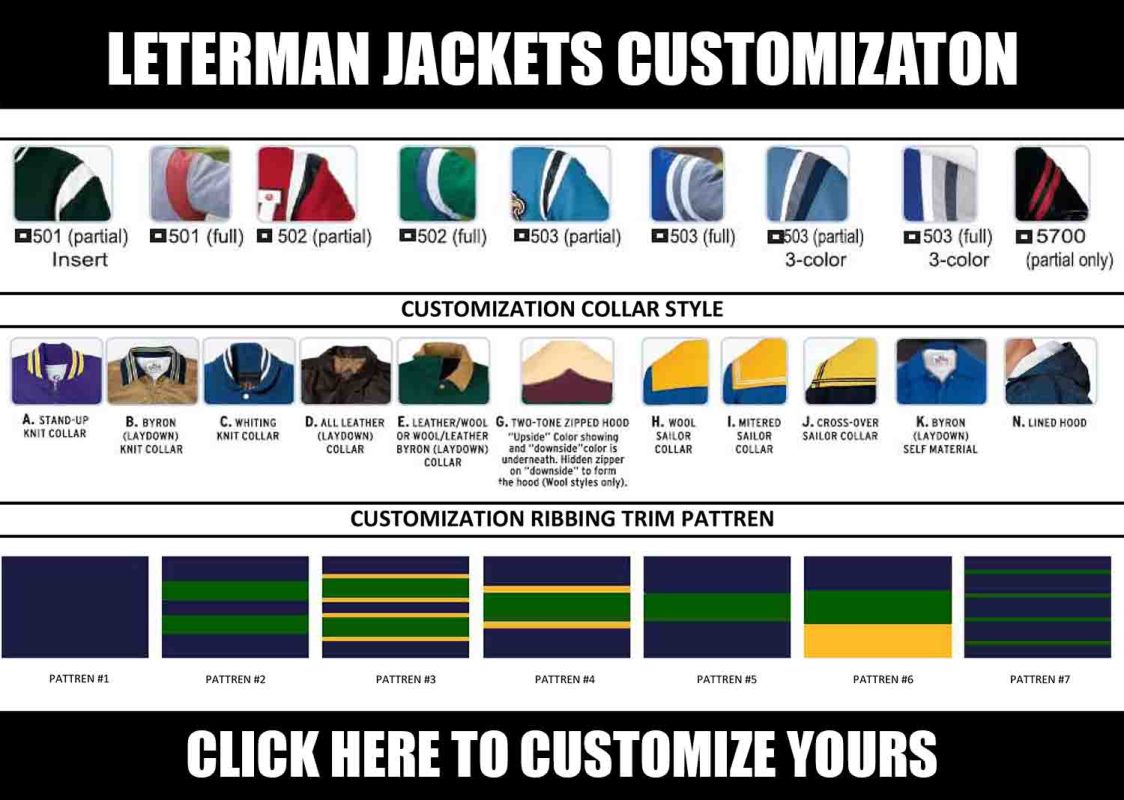
See the difference personalization makes. Design a jacket that tells your unique story from scratch in our interactive Design Lab.
Choosing Your Champion: A Decision Matrix
With the landscapes defined, how do you choose? Use this simple matrix to guide your decision based on your primary need:
-
For Extreme Cold & Dry Conditions: Prioritize a Puffer Jacket (max warmth/weight) or a Parka (max coverage/protection).
-
** For Wet, Windy & Brutal Weather:** The Parka is your undisputed champion.
-
For Versatile, Everyday Casual Warmth: Choose between the classic cool of a Bomber Jacket or the iconic, customizable style of a Varsity Jacket.
-
For High-Output Activities (Hiking, Skiing): Start with a Fleece or Softshell as a base or mid-layer.
-
For Professional or Sophisticated Urban Style: A Wool Coat or Peacoat is the definitive answer.
-
For Representing a Team, School, or Personal Brand: This is the exclusive domain of the Custom Varsity Jacket or Letterman Jacket. Its primary function is identity, with substantial warmth as a key benefit.
If your priority leans toward creating a symbol of unity or a personal milestone, the choice becomes clear. The process of creating custom jackets for a group, or a single personalized jacket for an individual, is where true distinction is forged.
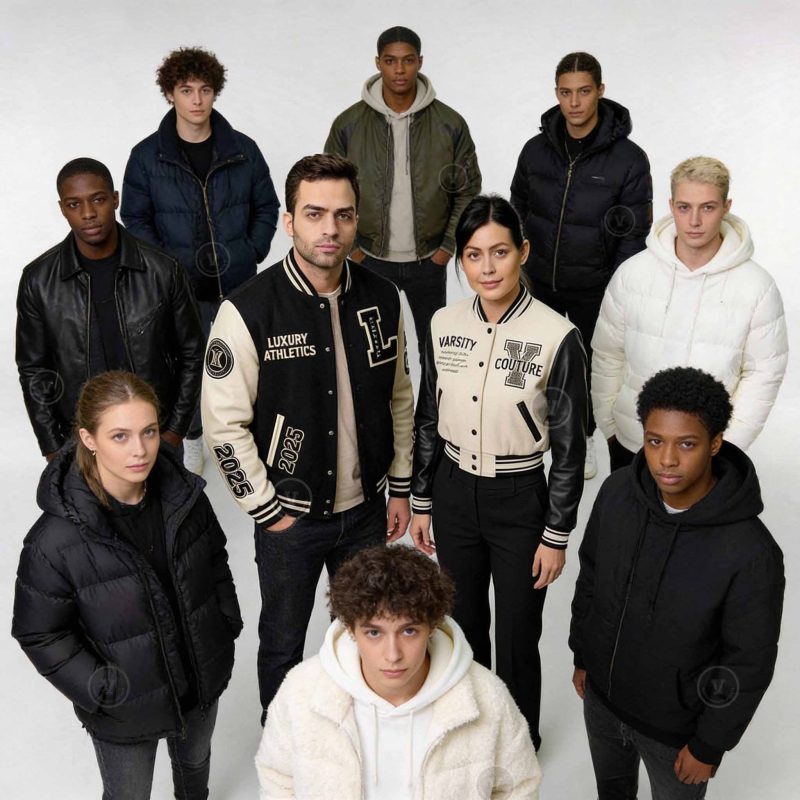
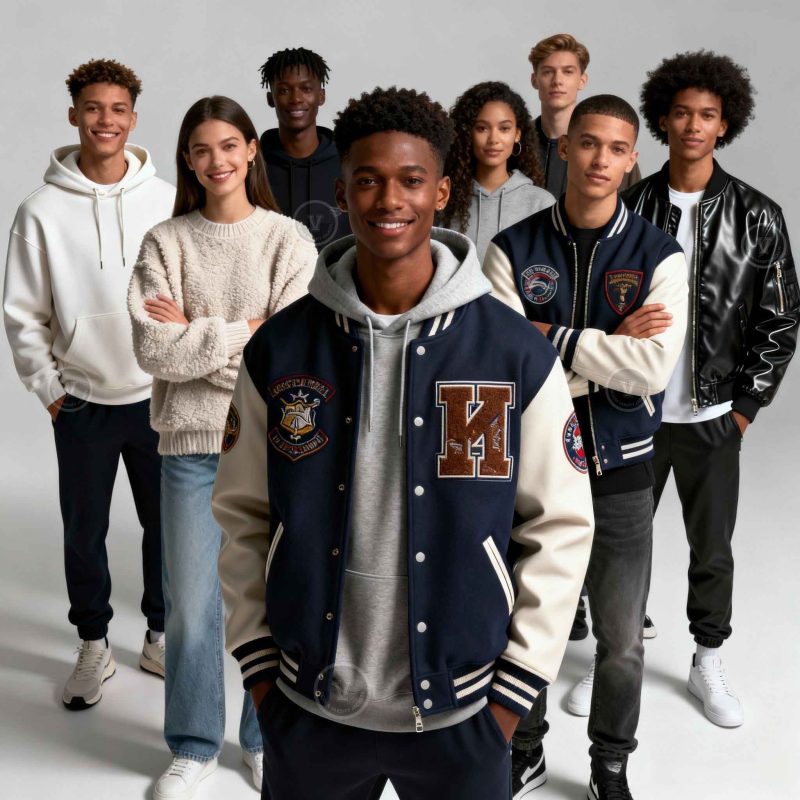
Unite your team with powerful custom apparel. Inquire about our streamlined Bulk Order services today.
Beyond the Type: Customization as the Ultimate Difference
We’ve explored the differences defined by manufacturers: insulation, cut, and material. But the most profound difference in a jacket is the one you create. This is the philosophical divide between buying a generic product and commissioning a personal artifact.
While you can select a puffer in various colors, its essence remains mass-produced. A custom varsity jacket, however, is inherently unique from its inception. The act of choosing the wool color, the leather for the sleeves, the design of the chenille patches, and the embroidered text transforms it from apparel into a narrative. For teams jackets, this customization builds an unmatched sense of unity and pride. For school jackets or college jackets, it captures a specific moment in time and affiliation. This transformative power of personalization is what sets the varsity jacket category apart in the world of winter wear.
It represents a shift from passive consumption to active creation. The “difference” is no longer just about technical performance against the cold, but about emotional resonance and personal significance. This level of intentional design is our craft at Design Varsity Jackets.
Ready to explore creating a jacket that is different by design? Initiate a conversation about your vision, whether for yourself or a bulk order, through our Contact Us page.
Your Winter Jacket Questions, Answered
How do I know if a jacket is warm enough for my specific winter climate?
Focus on the temperature rating and insulation type. For sub-freezing, dry cold, a down or high-quality synthetic puffer or parka is best. For wet, slushy winters (just above freezing), a synthetic-insulated parka with a waterproof shell is superior, as synthetic insulation retains heat when damp. For cool, dry fall/spring weather, a bomber, fleece, or a classic wool varsity jacket provides ample warmth and style.
Is a down jacket always better than synthetic?
Not always. Down offers a better warmth-to-weight ratio and longevity but loses its insulating power when wet and is slower to dry. Synthetic insulation is cheaper, performs better in damp conditions, and dries faster, but is heavier for equivalent warmth and can lose loft over time faster. Your local humidity and activity level should guide this choice.
What’s the real difference between a parka and a long puffer coat?
The key difference is in construction and features. A long puffer prioritizes lightweight insulation throughout. A parka adds a more robust, often waterproof shell, a heavier insulated hood (usually with fur trim), and more fortified features like storm flaps and multiple pocket layers. Think of a puffer as a sleeping bag you wear, and a parka as a fortified winter shelter you wear.
Can a varsity jacket be warm enough for a real winter?
Yes, a well-made custom varsity jacket with a thick wool melton body and leather sleeves provides substantial, classic warmth suitable for cool to cold dry winters. It is a medium-to-heavyweight jacket. However, it is not designed for extreme, wet Arctic conditions like a technical parka. Its strength lies in its blend of traditional warmth, durability, and unmatched personal style as a personalized jacket.
Are bomber jackets actually warm, or just stylish?
They offer moderate, versatile warmth. A classic nylon MA-1 bomber has a light synthetic insulation and a wind-resistant shell, making it ideal for temperatures from about 40-55°F (4-13°C). Heavier versions in wool or with quilted lining can extend that range. They are perfect for transitional weather and casual cold days, proving that style and function can coexist.
What is the benefit of a softshell over a basic fleece?
A softshell adds crucial weather protection. A fleece is breathable and warm but offers no defense against wind or light rain. A softshell incorporates a wind-resistant, water-repellent, and often stretchy outer layer, making it a more versatile, all-in-one solution for active pursuits in changeable conditions without needing an outer shell.
Why are wool coats still popular despite technical fabrics?
Wool is a natural, breathable, and temperature-regulating fiber. It retains heat even when wet, doesn’t feel clammy, and offers a timeless, tailored aesthetic that technical jackets often lack. A high-quality wool coat or peacoat provides sophisticated, durable warmth that improves with age, making it a permanent wardrobe investment.
How do I care for my different types of jackets to ensure they last?
-
Down/Synthetic Puffers & Parkas: Use a front-loading washer on gentle with specific down or tech wash detergent. Tumble dry low with tennis balls to restore loft.
-
Leather-Sleeved Jackets (Varsity/Baseball): Spot clean the wool body. For the leather sleeves, use a damp cloth and a dedicated leather conditioner. Professional cleaning is recommended for major stains.
-
Bombers (Nylon): Machine wash cold on gentle and air dry.
-
Wool Coats: Usually require professional dry cleaning to maintain shape and fiber integrity.
What should I look for in a custom varsity jacket to ensure quality?
Look for premium material specifications: a thick, felt-like wool melton body, genuine leather (not synthetic) sleeves, and robust, detailed chenille patches. The stitching should be tight and even. A quality provider, like Design Varsity Jackets, will offer a transparent Design Lab to visualize these materials and provide detailed size charts. Always check the Portfolio and independent Google Reviews for proof of craftsmanship.
Can I order custom jackets for my entire team or company?
Absolutely. This is known as a bulk order and is a core service for providers specializing in custom varsity jackets and teams jackets. This process typically involves working with a dedicated consultant to create a unified design, collecting individual sizes, and benefiting from per-unit pricing discounts. It’s the most effective way to outfit a sports team, corporate group, or school club with high-quality, identity-building personalized jackets.
For more detailed guidance on creating your perfect custom piece, visit our comprehensive FAQ page or message our experts directly on WhatsApp.
Your Winter, Your Jacket
The journey through the different winter jacket types reveals that each has a soul engineered for a specific purpose. The technical mastery of the puffer, the formidable protection of the parka, the versatile cool of the bomber, and the sophisticated weave of the wool coat all offer valid paths to warmth. Your perfect choice harmonizes with your environment, your activities, and your aesthetic.
And for those who seek a jacket where warmth is interwoven with identity, where the story is as important as the silhouette, the custom varsity jacket stands alone. It is not merely a type of winter jacket; it is a wearable legacy. It proves that the most significant difference isn’t always in the insulation, but in the meaning we stitch into the very fabric of what we wear.
Your winter style legacy awaits. Don’t just buy a jacket; create a masterpiece that defies the cold and defines you.
Start Your Custom Winter Varsity Jacket Project in the Design Lab Today
Discover the base for your unique creation. Explore our full range of premium, customizable jackets in our Varsity Jacket Category Shop.
For daily inspiration from a community that celebrates custom style, join us on Instagram and Facebook.