Blog
How to Layer Jackets in Winter

How to Layer Jackets in Winter: A Style Guide for Maximum Warmth & Versatility
Mastering the art of layering is the single most effective way to conquer winter. It’s the difference between merely surviving the cold and thriving within it, wrapped in comfort, adaptability, and undeniable style. Beyond just piling on clothes, strategic layering is a functional system that allows you to regulate your body temperature, manage moisture, and protect yourself from the elements, all while creating dynamic and visually interesting outfits. At the heart of this system often lies a key piece: the iconic jacket. This guide will deconstruct the science of winter layering and demonstrate how pieces like varsity jackets can serve as the perfect insulating hero in your cold-weather wardrobe.
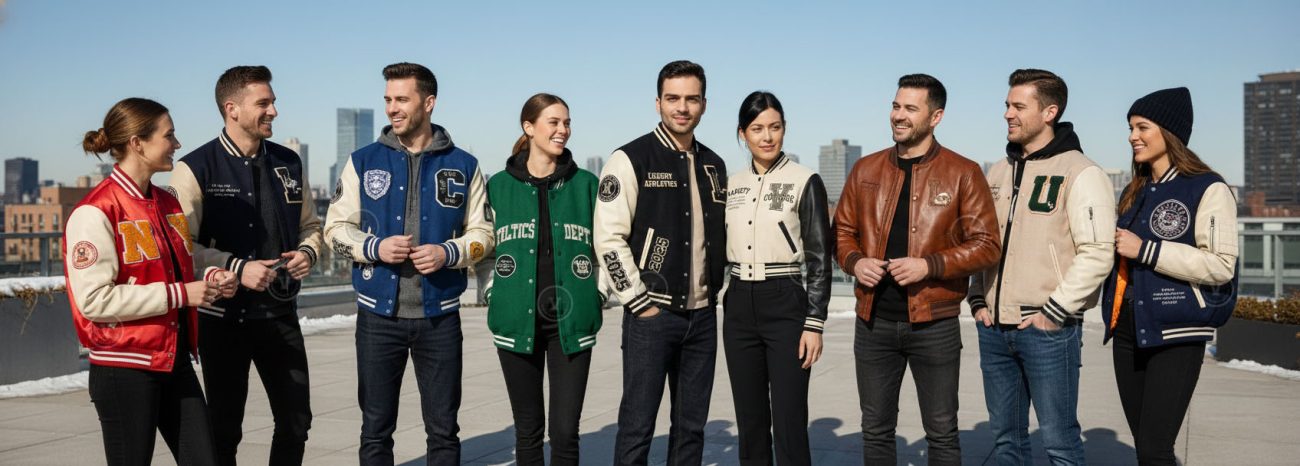
Gone are the days of the single, bulky coat that leaves you overheating indoors and freezing outside. The modern approach is modular. By understanding and utilizing a simple three-layer system—Base, Mid, and Outer—you gain unparalleled control over your comfort. This method isn’t just for extreme adventurers; it’s for the urban commuter, the weekend brunch-goer, and the dedicated sports fan. And within this system, there’s ample room for personal expression. A custom varsity jacket, for instance, transcends its classic roots to become a versatile mid-layer that provides substantial warmth while showcasing your identity. Let’s explore how to build your perfect winter layers from the skin out.
The Three-Layer Rule: Your Blueprint for Winter Warmth
Before diving into specific garments, it’s crucial to understand the “why” behind the layers. Each stratum has a distinct, non-negotiable job. When they work in harmony, you achieve a microclimate of comfort around your body.
-
The Base Layer (Moisture Management): This is your second skin. Its primary function is to wick sweat (perspiration) away from your body to the outer layers where it can evaporate. Staying dry is the first rule of staying warm, as damp skin loses heat rapidly.
-
The Mid Layer (Insulation): This is the thermal barrier. Its job is to trap and retain the body heat you generate. The air pockets within the mid-layer’s materials are what provide warmth. This is the layer where you can play with weight and style most significantly.
-
The Outer Layer (Weather Protection): This is your shield. It protects you from external elements like wind, rain, and snow. Its critical secondary function is breathability—allowing the moisture vapor from your base layer to escape so you don’t end up wet from the inside out.
This blueprint is adaptable. For a crisp, dry winter day, you might only need a base and a robust mid-layer. For a wet, slushy day, all three are essential. The power lies in the ability to add or subtract layers as your activity level and the environment change.
A great mid-layer starts with great design. Imagine creating your own unique, warm insulating piece that reflects your style—begin visualizing it in our Design Lab.
Layer 1: The Foundation – Choosing Your Base Layer
Your layering system is only as good as its foundation. The wrong base layer can undermine even the most expensive outer shells.
-
Material is Everything:
-
Merino Wool: The gold standard. It wicks moisture brilliantly, regulates temperature, and possesses natural odor resistance. It’s soft, warm, and comfortable for extended wear. Ideal for most activities.
-
Synthetics (Polyester, Nylon): Excellent moisture-wicking and fast-drying. Generally more affordable and durable than wool. Can retain body odor more readily.
-
Silk: Extremely lightweight and soft, offering moderate warmth without bulk. Best for mild cold or as a first layer under another base in extreme conditions.
-
Avoid Cotton: Cotton is a layering enemy. It absorbs moisture like a sponge and holds it against your skin, drawing heat away from your body—a phenomenon known as “cotton kill.”
-
-
Fit and Weight: Your base layer should fit snugly against the skin without constricting movement. This ensures efficient moisture transfer. Weight choices range from lightweight (for high-intensity activity or mild days) to midweight (for general winter use) and heavyweight (for low-activity, very cold scenarios).
Layer 2: The Insulating Hero – Mid-Layers for Style and Substance
This is where your personal style shines and where core warmth is established. The mid-layer is the workhorse of your outfit, and its choices are vast: fleece pullovers, chunky knit sweaters, lightweight down gilets, cozy hoodies, and of course, structured jackets.
Enter the varsity jacket. Often pigeonholed as a standalone fall piece, it is, in fact, a quintessential and versatile mid-layer. Its traditional construction makes it ideal for winter layering:
-
Insulating Body: The classic wool or wool-blend body provides excellent natural warmth, trapping heat effectively.
-
Wind-Resistant Sleeves: The genuine leather sleeves offer a layer of protection against wind, a common weak point in other knit or fabric jackets.
-
Structured Silhouette: The defined shape of a letterman jacket or baseball jacket adds dimension and style under an outer shell, avoiding the shapeless bulk of a simple sweatshirt.
-
Personal Expression: This is the key advantage of a custom varsity jacket. As your mid-layer, it becomes a visible statement. Whether it’s a personalized jacket with your name, a school jacket representing your alma mater, or a set of teams jackets for a unified group look, it injects identity into the functional layering system. You are not just warm; you are showcasing affiliation, achievement, or personal taste.
Think of it this way: your mid-layer is often the one you’ll be seen in when you remove your outer coat indoors at a restaurant, office, or social event. Why not make it a piece that speaks to who you are?
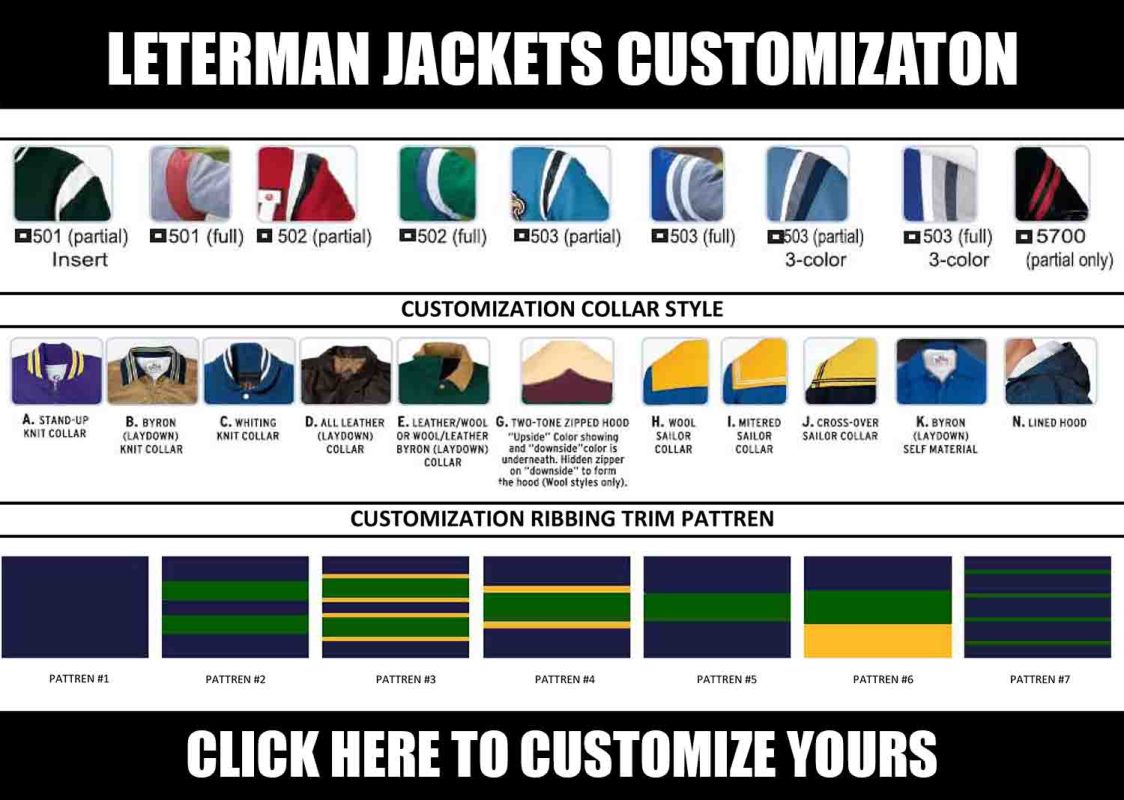
Your perfect mid-layer awaits. Design a one-of-a-kind insulating statement piece in our Design Lab or browse our versatile range of ready-to-customize styles in our Varsity Jacket Category.
Layer 3: The Shield – Selecting Your Weatherproof Outer Shell
The outer layer is your environmental interface. Its selection is dictated less by style and more by the conditions you expect to face.
-
Hardshell Jackets (Waterproof/Breathable): These are for wet winter conditions—rain, sleet, wet snow. Look for jackets with sealed seams and materials like Gore-Tex or similar proprietary membranes. They should have a durable water-repellent (DWR) finish to cause water to bead up and roll off.
-
Softshell Jackets (Wind-Resistant/Water-Repellent): Ideal for dry cold and windy conditions. They are typically more breathable and flexible than hardshells, offering light shower protection and excellent wind blocking. They are often more stylish and can be a final outer layer in many urban winter scenarios.
-
Insulated Shells (Parkas, Puffers): These combine the outer shell and mid-layer into one garment. They are incredibly warm and simple but offer less adaptability. For maximum versatility, a separate shell over a mid-layer is often preferred.
-
Fit is Critical: Your outer shell must be large enough to comfortably accommodate your base and mid-layers without compressing them (compressed insulation loses its warmth-trapping air pockets). It should not feel tight across the shoulders or chest when all layers are on. A slightly roomy fit is ideal for maintaining the efficiency of your entire system.
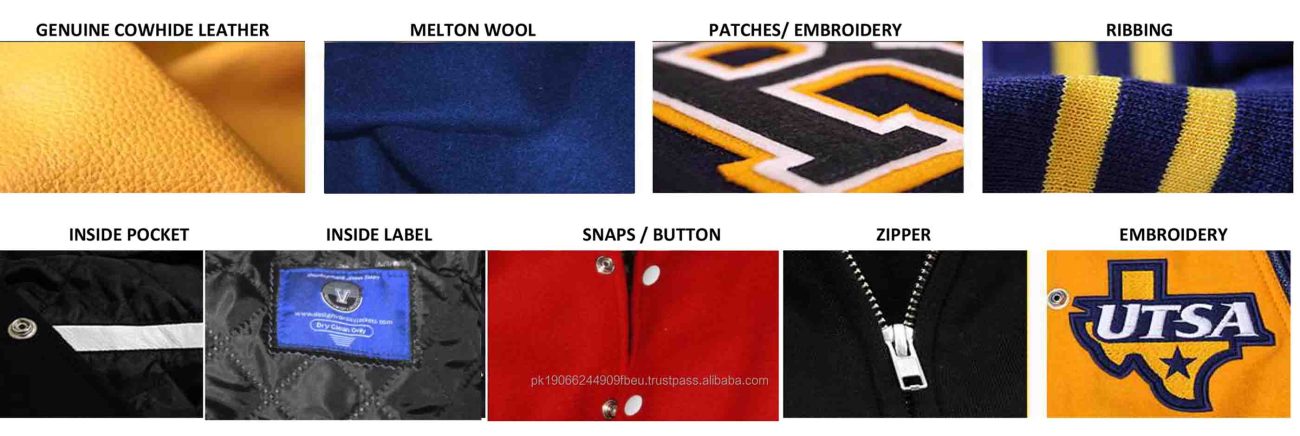
Do you have questions about the Material Quality of jacket construction? Message Our Experts
Putting It All Together: Practical Layering Formulas
Let’s translate theory into practice. Here are three real-world layering formulas for different winter scenarios, showcasing how a varsity jacket integrates seamlessly.
Formula 1: The Urban Commuter
-
Conditions: Dry, cold city day; moving from chilly streets to heated public transit and offices.
-
The Layers:
-
Base: A lightweight merino wool long-sleeve crewneck.
-
Mid: A chunky cable-knit sweater for dense insulation, topped with a custom varsity jacket for structure and wind protection on the sleeves.
-
Outer: A tailored wool trench coat or a long, stylish softshell jacket.
-
-
Why it Works: The varsity jacket adds a preppy, dimensional layer under the trench. Indoors, you can remove the trench and the sweater, leaving the stylish personalized jacket as your top layer, looking put-together and appropriate.
Formula 2: The Weekend Adventurer
-
Conditions: Variable; a day of hiking, outdoor markets, or casual gatherings with potential for temperature swings.
-
The Layers:
-
Base: A synthetic long-sleeve top for active moisture management.
-
Mid: A grid-fleece zip-up for warm, breathable insulation. Over this, a classic baseball jacket (a lighter style of varsity jacket) adds an extra wind-breaking layer and casual style.
-
Outer: A packable, lightweight down puffer jacket stuffed in your bag. It can be thrown on when static or as temperatures drop.
-
-
Why it Works: This is all about adaptability. The baseball jacket serves as a versatile, standalone outer layer during activity, then becomes a mid-layer under the puffer when needed. The multiple zip-ups allow for easy ventilation.
Formula 3: The Game Day Fan
-
Conditions: Frigid, potentially windy stadium seating.
-
The Layers:
-
Base: A midweight thermal top and bottom.
-
Mid: A thick team-branded hoodie for warmth and spirit, layered under an official team letterman jacket.
-
Outer: A heavyweight, insulated parka with a windproof shell.
-
-
Why it Works: This is maximum insulation for static cold. The letterman jacket is key here—it’s the visible badge of pride worn prominently. The parka provides ultimate protection, which can be unzipped to show the team colors during key moments. The layers can be shed in reverse order in heated indoor concourses.

Need a mid-layer that represents your entire group? Explore options for cohesive, spirit-boosting Teams Jackets perfect for unified group layering.
Pro Tips for Mastering Jacket Layering
-
Mind the Fit Progression: Start snug with your base and gradually increase looseness. Your outer layer should never feel constricting over the others.
-
Play with Textures and Colors: This is where style excels. Mix the coarse knit of a sweater with the smooth leather of a varsity jacket, and the sleek nylon of a shell. Use your mid-layer to add a pop of color or personal flair.
-
Utilize All Features: Choose zip-up mid-layers and outer shells with underarm ventilation zips (pit zips). These allow for precise temperature control without having to remove entire layers.
-
Consider the Collar: Stagger collar heights to avoid a bulky, uncomfortable stack around your neck. A crewneck base, a shirt-collar mid, and a stand-collar shell often work well together.
-
Don’t Forget the Extremities: Layering applies to hands, feet, and head too. Liner gloves under mittens, thin socks under wool socks, and a beanie under a hood are all effective strategies.

Texture is key to a stylish layered look. The premium wool and genuine leather of our custom jackets add perfect tactile depth and visual interest. See how textures combine in real examples from our Portfolio.
What to Avoid: Common Layering Mistakes
-
The Cotton Trap: Reiterating the critical point: avoid cotton in your base layer and be cautious with it in mid-layers.
-
Over-Bulking: Adding too many thick mid-layers will restrict movement and can actually compress insulation, reducing warmth. It’s better to use one efficient insulating mid-layer.
-
Neglecting Weatherproofing: Assuming a thick sweater is enough for a wet day. Damp insulation is useless insulation. Always match your outer layer to the precipitation.
-
Sacrificing Mobility: If you can’t move your arms freely or drive a car comfortably, your layers are too bulky or ill-fitting. Prioritize a streamlined fit.

Layer with Confidence, Style with Identity
Winter dressing should not be a chore of endurance. By embracing the strategic art of layering, you transform it into an opportunity for comfort, adaptability, and profound personal style. The three-layer system is your reliable blueprint, ensuring you are prepared for whatever the season throws at you.
Within this system, your mid-layer is your signature. It’s the piece that provides core warmth and carries your identity from the indoors out. A custom varsity jacket is uniquely suited to this role. It merges timeless functionality with deep personal or communal meaning. Whether it’s a personalized jacket marking an individual achievement or matching teams jackets unifying a group, it elevates the practical act of staying warm into a statement of who you are.
So, move beyond the single, anonymous winter coat. Build, experiment, and express. Start with a foundation that works, choose an insulating hero that speaks for you, and top it with a shield that defends against the elements. Master these layers, and you won’t just get through winter—you’ll own it.
Ready to build your ideal layered look? Start by crafting the versatile centerpiece of your winter wardrobe.
Design Your Own Custom Varsity Jacket Mid-Layer Today
For daily inspiration, practical layering ideas, and a look at how our community styles their jackets, join us on Instagram and Facebook.