Blog
What Makes a Good Winter Jacket

What Makes a Good Winter Jacket? The Ultimate Guide to Quality, Design, and Warmth
The quest for the perfect winter jacket is a seasonal ritual. We seek more than just a barrier against the cold; we look for a companion that offers confidence, comfort, and style through the darkest, chilliest months. But with a dizzying array of options, from puffy technical shells to sleek urban coats, the fundamental question remains: what makes a good winter jacket?
The answer lies at the intersection of material science, intelligent design, and personal expression. It’s not merely about the thickest padding, but about how a jacket manages moisture, blocks wind, allows movement, and endures over time. At its best, a winter jacket is a wearable piece of engineering. For those who value heritage and identity alongside performance, the iconic varsity jacket stands as a compelling case study, built on principles of durability and customization that answer this very question. This guide will dissect the anatomy of exceptional winter outerwear, providing you with the knowledge to choose—or design—your perfect shield against the elements.
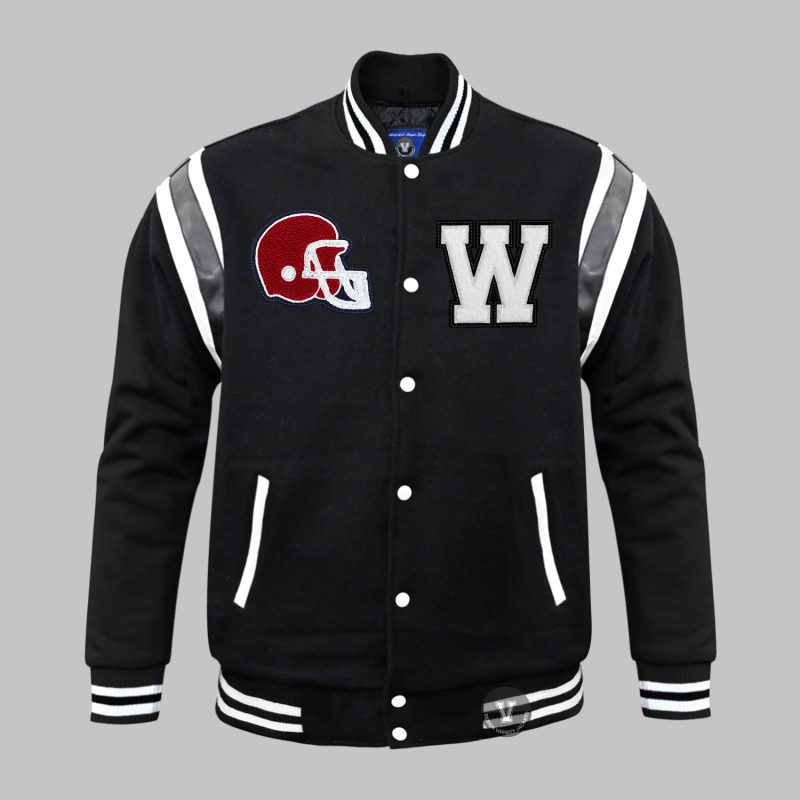
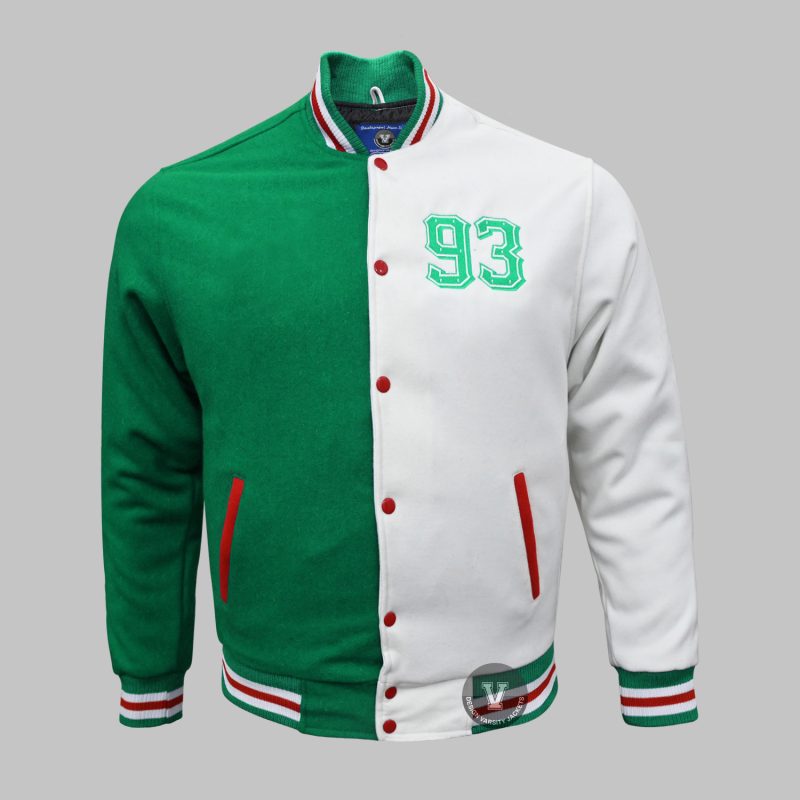
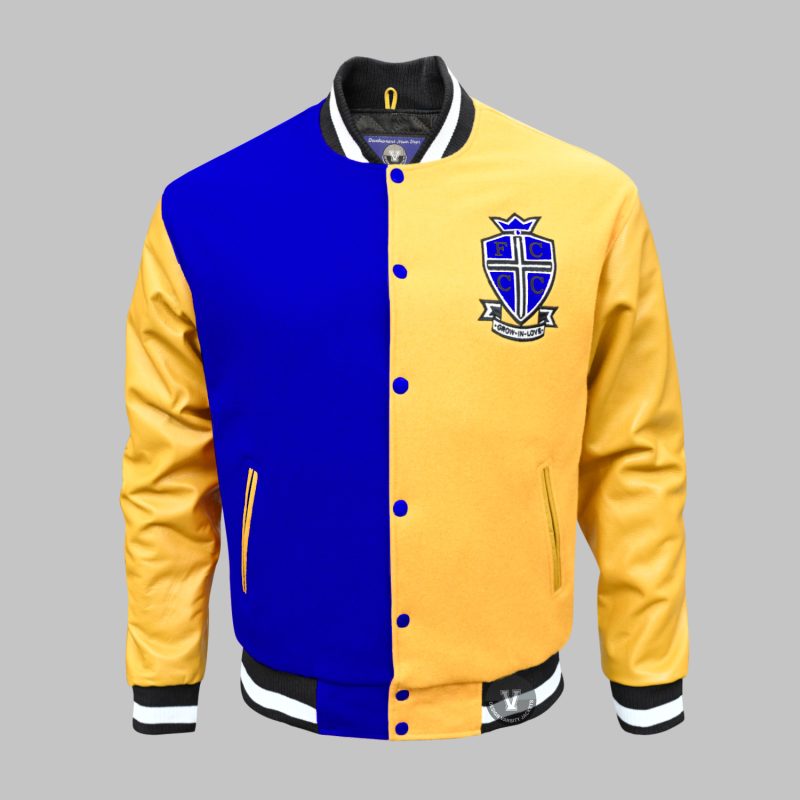
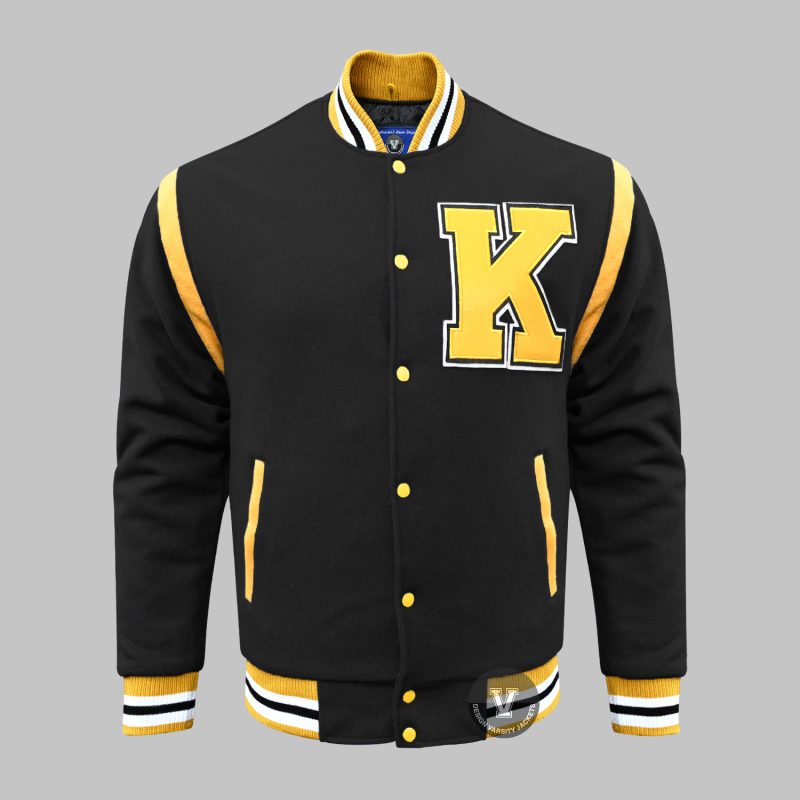
Explore all the possibilities, from heavy-duty materials to clever custom features, in our comprehensive Varsity Jacket Category.
The Core of Warmth: Understanding Insulation Types
At its heart, a winter jacket’s primary function is to trap your body heat. This is the domain of insulation, and the choice here fundamentally defines the jacket’s character and performance.
Down Insulation, sourced from ducks or geese, remains the gold standard for warmth-to-weight ratio. Its lofty clusters create tiny air pockets that retain heat incredibly efficiently. Quality is measured in fill power—the higher the number (e.g., 600-fill, 800-fill), the better the down loft and the warmer it will be for its weight. However, traditional down loses its insulating properties when wet, making it less ideal for damp climates without a highly waterproof shell.
Synthetic Insulations like PrimaLoft® or Thermore® are engineered polyester fibers designed to mimic down’s loft. Their chief advantage is resilience. They retain warmth when damp and dry much faster than down. They are also hypoallergenic and often more affordable. Performance is measured by gram weight (e.g., 60g, 100g) per square meter, indicating density and warmth.
Then there are Traditional Materials like wool and heavy fleece. Wool is a natural superstar: it wicks moisture, retains heat even when wet, and is incredibly durable. A dense, high-quality wool melton—the very fabric used in classic letterman jackets and baseball jackets—provides substantial, breathable insulation with a structured feel. It’s why traditional school jackets and college jackets have served students for decades; the wool body offers genuine, time-tested warmth.
The “best” insulation depends on your climate and activity. For dry, extreme cold, high-fill down excels. For variable, wet winters, modern synthetics are reliable. For a blend of timeless style, breathability, and substantial warmth, a dense wool blend stands as a proven, luxurious choice.
To simplify the choice, here is a quick-reference comparison of the primary insulation types:
| Insulation Type | Key Characteristics | Best For | Considerations |
|---|---|---|---|
| Down | Exceptional warmth-to-weight ratio; highly packable. | Dry, cold climates; activities where packability is key. | Loses insulation when wet; requires careful cleaning. |
| Synthetic | Retains warmth when damp; dries quickly; hypoallergenic. | Variable, damp climates; high-output activities; ethical concerns. | Heavier and bulkier than down for equivalent warmth. |
| Wool (Melton Blend) | Breathable; retains heat even when damp; durable & structured. | Everyday winter wear; classic style; moderate to cold climates. | Heavier weight; offers a structured, less packable fit. |
This table underscores why the dense wool melton used in classic varsity jackets and letterman jackets remains a premier choice for reliable, everyday winter warmth that combines time-tested performance with timeless structure.
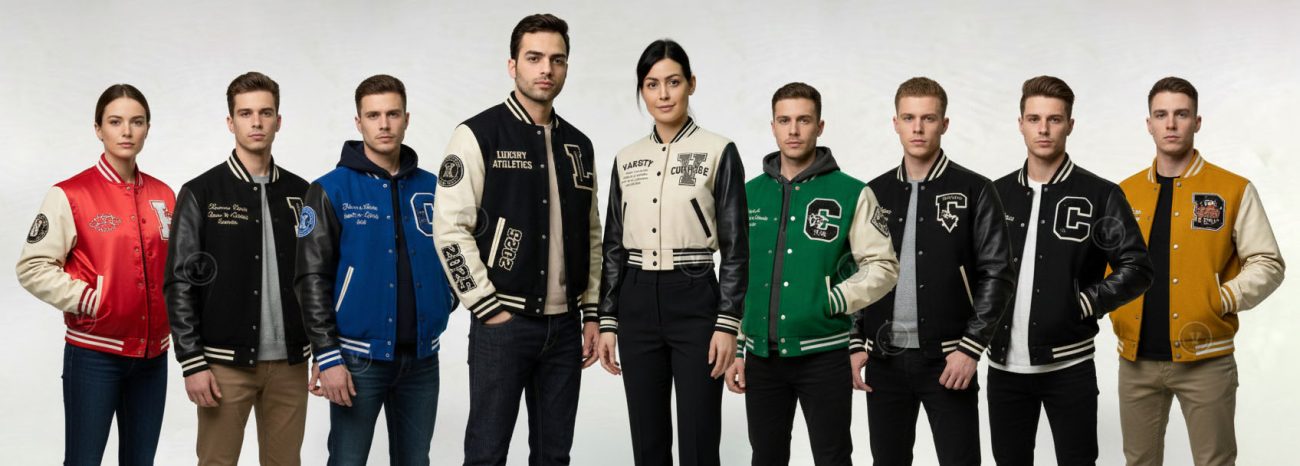
Discover the substantial warmth of traditional materials. Explore our range of wool-blend jackets in the Varsity Jacket Category Shop.
The Style Equation: Where Function Meets Personal Expression
Finally, we must address an inescapable truth: a truly “good” jacket is one you want to wear. Its style must resonate with you. Function is futile if the garment stays in the closet.
This is where the emotional connection forms. Color, silhouette, and personal details transform a utilitarian object into a signature piece. The varsity jacket has mastered this equation for over a century. Its silhouette is iconic and flattering. Its customization is its very language—every patch, letter, and color choice tells a story of achievement, affiliation, or individual taste.
A personalized jacket becomes more than winter gear; it becomes a part of your identity. For a team, matching teams jackets forge a visible bond and instill collective pride. This powerful blend of robust functionality and deep personal expression is what makes a varsity jacket a uniquely compelling answer to the winter jacket question. It provides proven warmth and protection, built to last, while offering a canvas for your story.
We have a Design Lab, where you can customized your jacket the way you want it: Start Designing Your Jacket Now
The First Line of Defense: Shell Materials and Weatherproofing
Insulation is useless if compromised by wind and water. The shell fabric is your fortress wall, and its technology is critical.
Weather Resistance exists on a spectrum. Water-resistant fabrics have a Durable Water Repellent (DWR) coating that causes water to bead up and roll off. This is sufficient for light snow or brief drizzle. Waterproof fabrics incorporate a membrane (like Gore-Tex or a proprietary laminate) that blocks water molecules while allowing vapor (sweat) to escape—a process called breathability. True waterproof jackets also have sealed or taped seams to prevent needle-hole leaks.
Windproofing is equally crucial. A relentless wind can strip away the warm air trapped by your insulation in seconds. A tightly woven shell or a dedicated windproof membrane is essential for true cold-weather performance.
This is where design elements of iconic outerwear shine. Consider the genuine leather sleeves standard on a classic varsity jacket. Leather is naturally windproof and highly durable. When treated with the right protectants, it develops excellent water resistance. This combination of a dense wool body and leather sleeves creates a hybrid shell system: the wool provides breathable loft and structure, while the leather offers rugged protection at the high-wear areas most exposed to the elements. It’s a design born of practical necessity that remains profoundly functional.
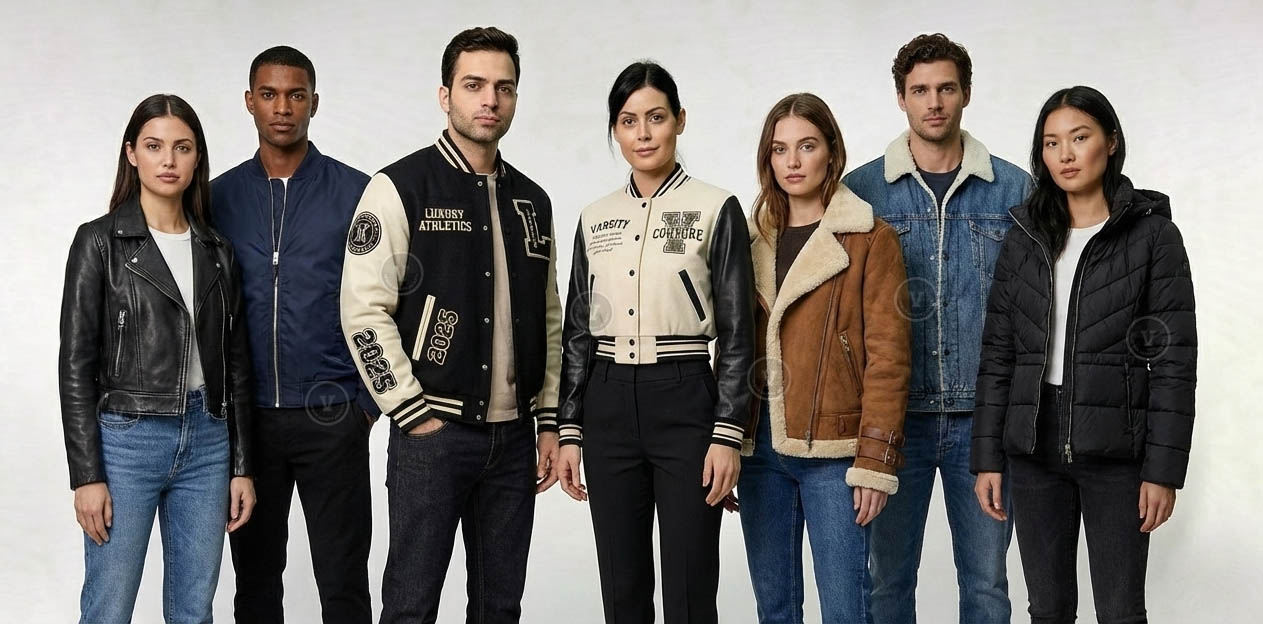
Appreciate the functional synergy of hybrid materials. See how leather and wool work together in our gallery of finished Portfolio pieces.
Smart Design: Features That Elevate Functionality
Beyond the raw materials, the intelligence of a jacket’s construction separates the good from the great. Thoughtful features directly combat the annoyances of winter.
-
Adjustable Seals: Cuffs with Velcro® or elastic adjustments, along with an adjustable hem, allow you to lock out drafts. The ribbed-knit collars, cuffs, and waistbands on a baseball jacket serve this exact purpose, creating flexible, snug seals that move with you.
-
Storm Protection: A storm flap behind the main zipper is a small detail that prevents wind and moisture from sneaking through the teeth. Similarly, a tall, insulated collar or a built-in hood that provides coverage is invaluable.
-
Strategic Pockets: Handwarmer pockets should be lined with soft fleece. A secure chest pocket keeps a phone or wallet safe and warm. Internal drop pockets or zippered security pockets add valuable storage.
-
Functional Venting: Underarm zippers or other venting systems allow you to dump excess heat during activity, preventing sweat buildup.
The Hidden Layer: Linings, Finishes, and Interior Comfort
While insulation and shell capture most of the attention, the interior lining of a jacket is your constant point of contact, defining its feel against your skin and contributing to its overall thermal performance. A good winter jacket considers this hidden layer with as much care as its exterior.
The primary role of a lining is to provide a smooth, comfortable barrier that allows you to easily slide the jacket on over sweaters or dress shirts. Common materials include:
-
Satin or Taffeta Nylon: Offers a sleek, slippery feel that facilitates layering. It’s lightweight and commonly used in technical shells and classic baseball jackets.
-
Soft Fleece or Sherpa: Provides an additional layer of plush insulation and immediate coziness upon wearing. This turns a jacket into a wearable blanket, ideal for casual, low-activity winter use.
-
Quilted Fabric: Often used with down or synthetic fill, the quilted pattern holds the insulation in place, preventing cold spots and adding a textured, classic look to the interior.
-
Breathable Mesh: Used in high-output activity jackets (like skiing), mesh panels under the arms or across the back enhance ventilation where you need it most.
Beyond the basic material, intelligent interior features elevate a jacket:
-
Keeper Loops: Small fabric loops to secure the hood when it’s not in use, preventing it from dangling awkwardly.
-
Goggle Cloths: A soft, flannel patch sewn inside the collar for quickly cleaning foggy sunglasses or ski goggles—a hallmark of purpose-built winter sports gear.
-
Media Ports: A discreet interior slot to thread headphone cords from an inside pocket, keeping cables organized and out of the elements.
-
Security Pockets: Zippered interior pockets, often lined with soft fabric, provide safe storage for phones, wallets, or passports, protecting them from both theft and cold temperatures.
In the world of custom varsity jackets, the lining is a powerful canvas for personalization and enhanced function. Our Design Lab allows you to select your lining material and color, adding a flash of personal flair every time you take the jacket off. For teams jackets or school jackets, a custom-printed lining with a team logo or motto creates an exclusive, unifying detail known only to the members. This attention to the interior experience transforms a protective outer layer into a truly considered and personal garment, where every aspect—from the outside shell to the inside touch—is tailored to quality and identity.
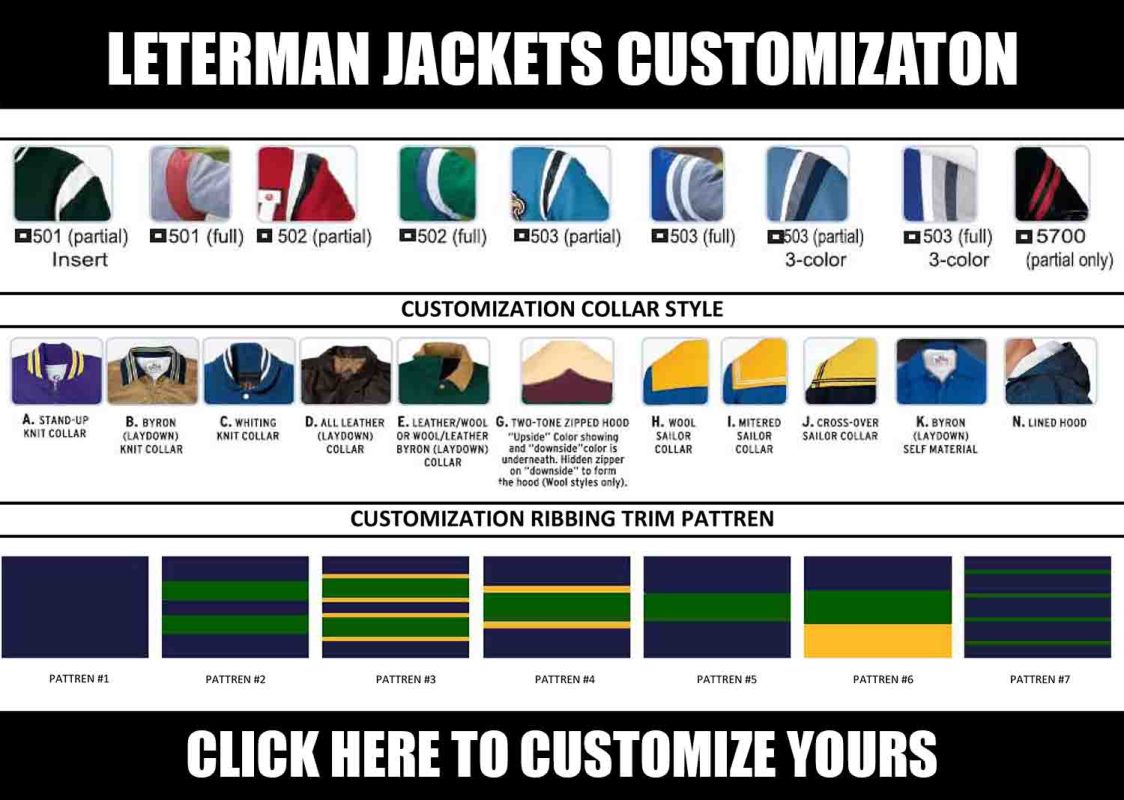
Consider the complete experience. Design a jacket with a lining that reflects your style in our Design Lab.
Built to Last: Durability and Craftsmanship
A good winter jacket is an investment. It should be built to withstand not just one season, but many. Durability is a direct reflection of craftsmanship and material integrity.
Inspect the hardware. Heavy-duty YKK zippers are a reliable sign of quality—they glide smoothly and resist jamming. Examine the stitching, particularly at stress points like the armholes, pockets, and seams. It should be straight, tight, and without loose threads. Bar-tacking—a dense pattern of stitching—at these points reinforces them against tearing.
The materials themselves must be robust. A high-denier shell fabric resists abrasion. Genuine leather, like that on our sleeves, develops a characterful patina over time rather than wearing out. This commitment to durability is core to our philosophy. Our custom varsity jackets are not fast-fashion items. They are constructed with the intent to become long-term companions, evolving with you and telling the story of your winters through honest wear.
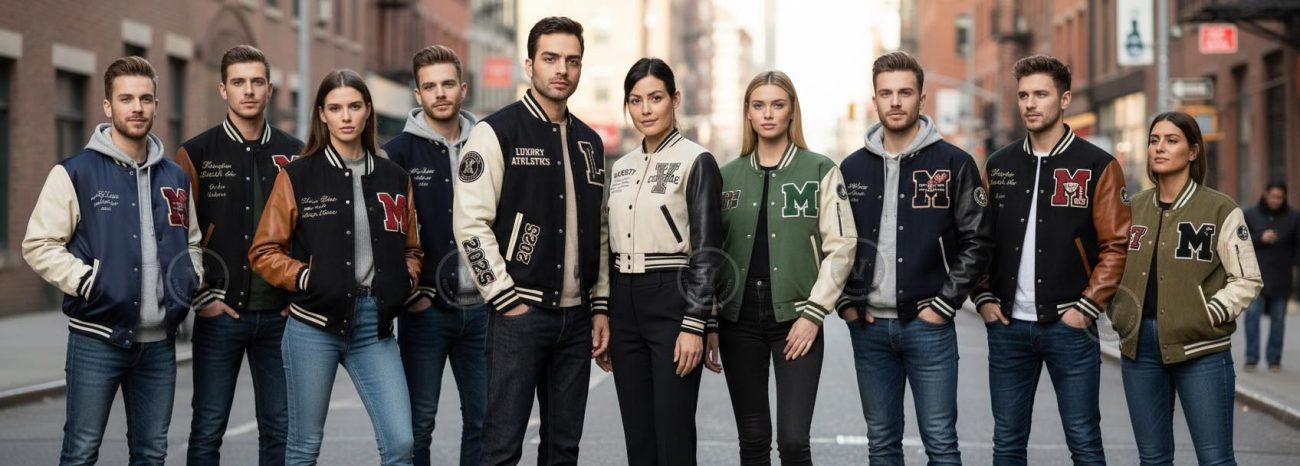
Unify your crew’s aesthetic. Inquire about creating a powerful set of custom jackets through our streamlined Bulk Orders process.
Invest in craftsmanship designed for years of wear. Hear from customers about the longevity of our jackets through genuine Google Reviews.
The Foundation of Comfort: Fit, Layering, and Mobility
A jacket can have the world’s best insulation and shell, but if it doesn’t fit correctly, it will fail you. The ideal winter jacket fit balances warmth, layering potential, and freedom of movement.
It should be roomy enough to comfortably fit a mid-layer—like a sweater or fleece—beneath it without feeling constrictive. This air gap between layers adds crucial insulating value. However, it shouldn’t be so baggy that cold air circulates freely inside. The shoulder seams should sit at the edge of your shoulders, and sleeve length should reach your wristbone when your arms are at your sides, accounting for the slight ride-up when you reach forward.
This is a primary advantage of personalized jackets. Off-the-rack fits are a compromise. A custom jacket is crafted to your measurements, ensuring the optimal balance of insulation and mobility. For teams jackets, this is paramount. A basketball team’s jacket needs a different range of motion than a baseball team’s, and a custom-fit ensures every player is equally comfortable and professional-looking, without the bulkiness of a poorly sized garment.
Achieve the perfect balance of warmth and mobility. Learn about our tailored approach to fit on our About Us page.

FAQs: Your Winter Jacket Questions Answered
Is a varsity jacket warm enough for a real winter?
Yes, when constructed with the right materials. Our jackets feature a dense wool-blend body and genuine leather sleeves, providing substantial, breathable insulation and wind protection. They are designed as mid-weight jackets, perfect for fall through spring, and can be easily layered underneath for deeper winter cold.
What’s better, down or synthetic insulation?
It depends. Down offers superior warmth for its weight and packs smaller but can be expensive and loses insulation when wet. Synthetic insulation is more affordable, retains warmth when damp, and dries faster. For variable or wet conditions, synthetic is often more practical.
How should a winter jacket fit?
It should allow for a sweater or fleece underneath without restriction. Your shoulders should align with the seams, and sleeves should reach your wristbones. There should be no tightness across the back or chest when moving.
Can I customize a jacket to be more winter-proof?
Absolutely. In our Design Lab, you can opt for heavier wool blends, select specific linings, and design a jacket that accommodates layering. For extreme needs, you can contact us to discuss fully customized, heavy-duty options.
How do I care for my winter jacket to make it last?
For wool and leather jackets, spot cleaning is best. Use a damp cloth for the wool and a leather-specific cleaner for the sleeves. For stubborn dirt on the wool, professional dry cleaning is recommended. Always store your jacket on a wide hanger in a cool, dry place.
Are leather sleeves practical in snow and rain?
Yes. Quality leather, when treated with a protectant, develops excellent water resistance. It is also inherently windproof. The leather will develop a unique patina from exposure to the elements, which enhances its character. Avoid soaking it and allow it to air dry naturally if it gets wet.
What’s the warmest type of jacket you offer?
Our classic wool-blend letterman jackets provide significant warmth. For maximum insulation, we can discuss custom orders with quilted linings or specific material upgrades tailored to your climate.
Can you make winter jackets for a whole team?
Definitely. Our Bulk Order service is designed for teams, corporations, and groups. We ensure consistent quality, custom fits for each member, and unified design, creating professional teams jackets that build camaraderie.
How do I add extra insulation or a hood?
Customizations like quilted linings or attached hoods are possible through our custom order process. Discuss your vision with our team via our Contact Us page or on WhatsApp for a tailored solution.
What’s the difference between water-resistant and waterproof?
Water-resistant fabrics (with a DWR coating) repel light moisture for a short time. Waterproof fabrics have a membrane that blocks water penetration entirely, even under prolonged pressure, and are essential for heavy rain or wet snow.
Find more detailed insights and answers on our comprehensive FAQ page.
Your Perfect Winter Jacket Awaits
So, what makes a good winter jacket? It is a synthesis of essential pillars: reliable warmth from quality insulation, steadfast protection from a capable shell, intuitive functionality from smart design, resilient longevity from superior craftsmanship, and resonant style that reflects who you are.
The journey to finding this balance ends not with a compromise, but with a creation. At Design Varsity Jackets, we provide the platform, materials, and expertise to build your ideal winter garment—one that honors the timeless principles of performance outerwear while celebrating your unique identity. It’s more than a jacket; it’s your winter story, expertly crafted.
Ready to define what a good winter jacket means for you? Begin the creative process in our interactive Design Lab.
Planning for a unified team look this season? Explore our streamlined Bulk Order services for premium group solutions.
For daily inspiration and a look at our community in action, join us on Instagram and Facebook.