Blog
Winter Jacket Materials Explained
What you’ll learn about Winter Jacket Materials Explained: Your Guide to Insulation, Shells & Warmth
A truly great winter jacket is a feat of engineering disguised as apparel. Its value lies not merely in its style, but in the sophisticated material science that creates a portable microclimate of warmth, shielding you from biting winds, damp chill, and freezing temperatures. For many, the world of winter gear is a confusing lexicon of technical terms: fill power, denier, DWR coatings, and proprietary membrane names. This complexity can make choosing the right jacket feel daunting.
This guide exists to demystify that world. We will explain every major component—from the fluffy inner insulation to the rugged outer shell—in clear, practical terms. By the end, you will possess the knowledge to decode product descriptions, understand what you’re paying for, and, most importantly, select materials perfectly suited to your climate and lifestyle. Furthermore, we’ll explore how these principles of material science are applied to a timeless classic: the custom varsity jacket, transforming it from a symbolic piece into a genuinely winter-ready garment built for both legacy and warmth.
We have a Design Lab, where you can customized your jacket the way you want it: Start Designing Your Jacket Now
The Foundation: Understanding Insulation Types
The core function of any winter jacket is to trap body heat. This crucial task falls to the insulation layer, the fluffy filler sandwiched between the shell and the lining. The choice of insulation is the single biggest determinant of a jacket’s warmth, weight, and performance in damp conditions. There are two primary champions in this category, each with distinct advantages.
Natural Champion: Down Insulation Deep Dive
When maximum warmth for minimal weight is the priority, down is the historic and still-unbeaten king. Down is the soft, fluffy undercoating found beneath the exterior feathers of waterfowl, like geese and ducks. Its magic lies in its structure; each down cluster is a three-dimensional web of filaments that traps and holds a massive amount of still air, which is an excellent insulator.
To understand down quality, you must know two metrics:
-
Fill Power: This is the most critical measure. It indicates the loft or fluffiness of the down—specifically, how many cubic inches one ounce of down will occupy. Ratings range from 400 (good) to 900+ (exceptional). Higher fill power means greater warmth for its weight and better compressibility. A high-fill-power jacket will pack down incredibly small yet puff up to provide immense warmth.
-
Fill Weight: This is simply the total amount of down used in the jacket, measured in ounces or grams. A jacket with high fill power but low fill weight will be light and packable but not super-warm. The warmest jackets combine high fill power with high fill weight.
Pros of Down: Unbeatable warmth-to-weight ratio, highly compressible, incredibly durable (can last decades with proper care).
Cons of Down: Its kryptonite is moisture. When down gets wet, it clumps together and loses its loft—and thus its insulating power—dramatically. It also tends to be the most expensive option and raises ethical considerations for some buyers (look for RDS-certified down).
Modern Marvel: Synthetic Insulation Explained
Born from the need for reliable warmth in all conditions, synthetic insulation is a human-engineered marvel. It’s typically made from polyester fibers that are formed into lofty, air-trapping structures. The technology has advanced into two main types:
-
Short-Staple: These mimic down’s loose structure with fine, short fibers. Brands like Primaloft and Thermolite excel here, offering fantastic warmth, impressive compressibility, and a soft feel. It’s often used in high-end jackets where weight and packability are key.
-
Continuous Filament: These use longer, interconnected fibers, creating a more robust and durable sheet of insulation. Brands like Coreloft and Climashield fall into this category. They are exceptionally resilient, maintain warmth well when compressed (like under a backpack strap), and are often more cost-effective.
Pros of Synthetic: Performs consistently even when damp, dries very quickly, is hypoallergenic, and is generally more affordable than high-end down.
Cons of Synthetic: For an equivalent level of warmth, it will be heavier and bulkier than down. It can also lose some of its loft (and insulating power) over years of heavy compression and washing.
The Classic: Wool and Fleece as Mid-Layers
While rarely used as the primary insulation in a technical shell, materials like wool—especially Merino wool—and polar fleece deserve special mention. They are phenomenal as active mid-layers or as light insulation in their own right. Wool’s superpower is its ability to retain significant warmth even when soaking wet, and it naturally wicks moisture and resists odors. Fleece, made from polyester, is brilliant at trapping warm air and moving moisture away from the body, making it perfect for high-exertion activities in the cold. However, neither is windproof on its own, which is why they are typically layered under a protective shell.
Understanding insulation is the first step to choosing a jacket that won’t leave you shivering. For a classic piece like a custom varsity jacket, this knowledge informs decisions about quilted linings or added insulation layers for winter readiness.
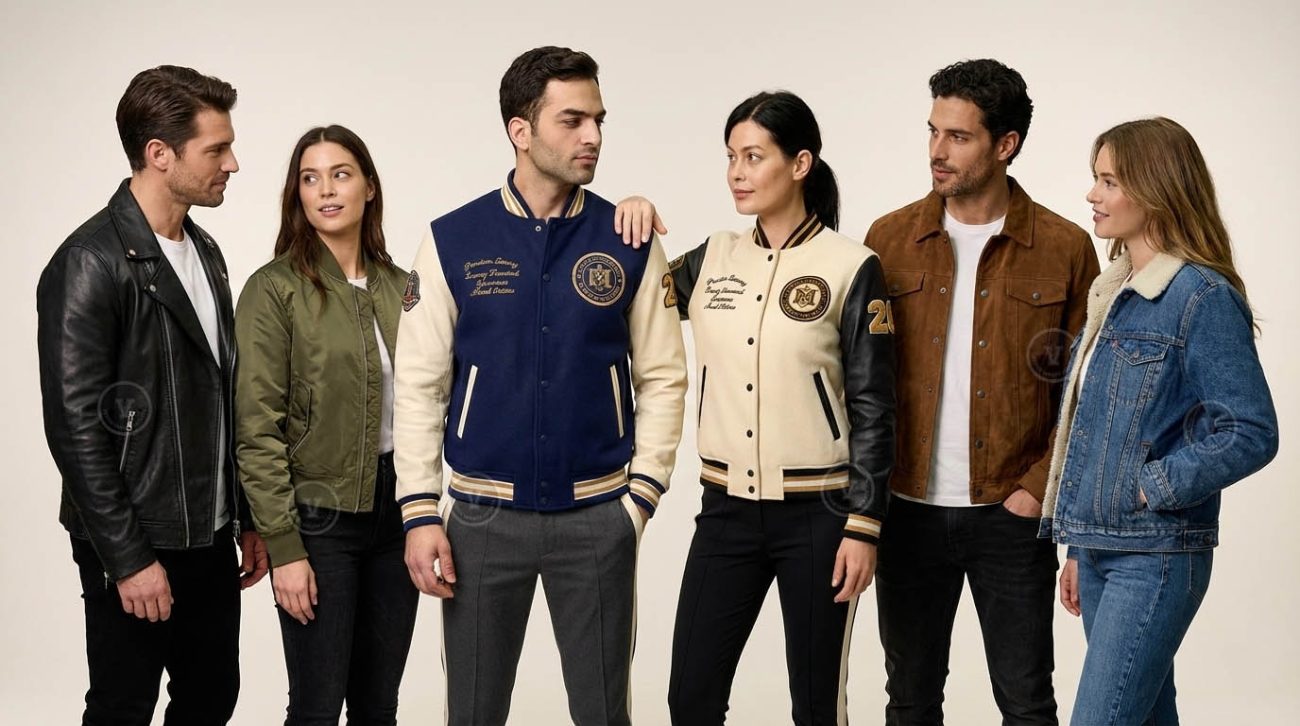
To see how premium materials are crafted into a final product, explore our gallery of completed projects in our Portfolio.
The Shield: A Guide to Outer Shell Fabrics
If insulation is the furnace, the outer shell is the fortress wall. It is your first line of defense against wind, rain, snow, and abrasion. The shell material dictates the jacket’s durability, weather resistance, and much of its aesthetic character. Understanding its components is key to choosing a jacket for your environment.
Fabric Weight & Durability: Denier Explained
The term “Denier” (D) refers to the thickness and density of the individual threads used in the shell fabric. A single strand of silk is roughly 1 Denier. In simple terms:
-
Low Denier (10D-40D): Very lightweight, soft, and packable. Excellent for ultra-lightweight gear but less durable against rough wear.
-
Mid Denier (50D-200D): The sweet spot for most jackets. Offers a great balance of durability, weight, and flexibility. A 70D Taslan nylon is a common, robust choice.
-
High Denier (300D+): Heavy-duty and highly abrasion-resistant. Think of backpacks or workwear. A 600D polyester shell is almost indestructible but will be stiff and heavier.
Weave & Texture: A Look at Common Shell Types
The fabric’s weave defines its look, hand-feel, and core performance.
-
Taslan/Nylon: This is the workhorse fabric for many modern outerwear pieces, including varsity jackets. It’s a textured, durable nylon that is highly wind-resistant, takes dye brilliantly for vibrant colors, and has a slight sheen. It’s the go-to for a crisp, athletic look.
-
Polyester: Often used similarly to nylon, polyester can be engineered for specific purposes, like having a softer hand-feel or better moisture-wicking properties. It’s also generally more UV-resistant and dries slightly faster.
-
Wool Melton: This is the iconic, traditional body material for genuine letterman jackets and baseball jackets. Melton is a densely woven wool fabric that is heavily brushed and felted. The result is a remarkably wind-resistant, structured, and warm shell with a matte, luxurious finish. It’s less about technical waterproofing and more about classic, substantial warmth and prestige.
-
Leather (as sleeves/accents): In the context of custom varsity jackets, leather serves as a premier shell material for sleeves and yolks. It provides an almost impenetrable barrier to wind and offers superior abrasion resistance. Full-grain cowhide leather, as used in quality jackets, develops a rich patina over time, telling the story of its wear.
Weatherproofing: Membranes & Coatings
For serious weather protection, the shell fabric is enhanced.
-
Waterproof/Breathable Membranes: Laminates like Gore-Tex are microscopically thin films bonded to the inside of the shell fabric. They have pores small enough to block liquid water (rain) but large enough to allow water vapor (sweat) to escape. This is the gold standard for all-weather, high-exertion gear.
-
DWR (Durable Water Repellent) Coating: This is a topical treatment applied to the outside of the fabric. It causes water to bead up and roll off the surface. It does not make a jacket waterproof but highly water-resistant. DWR wears off over time and can be renewed with a spray-on treatment. Most everyday winter jackets and custom jackets feature a DWR coating for light precipitation protection.
Material Synergy: How We Build a Winter-Ready Varsity Jacket
A great winter jacket is never about one material in isolation; it’s about the intelligent synergy of a system. At Design Varsity Jackets, we apply this systems-thinking to create pieces that are both iconic and functional for colder climates. Here’s how material choices come together in different scenarios:
Scenario 1: The Classic Winter Letterman.
This is heritage warmth. The shell is a dense Wool Melton body, providing inherent wind resistance and substantial warmth. It’s paired with full-grain leather sleeves, creating an almost windproof barrier. The lining is often a quilted satin or nylon, which adds a thin layer of trapped air (light insulation) and a smooth feel. This system is perfect for dry, cold climates—think football games on a crisp autumn night or city winters where style and tradition are paramount. It’s the essence of a true college jacket or school jacket, built to last for decades.
Scenario 2: The Insulated Performance Varsity.
For active use in wetter, colder conditions, the material map changes. The shell becomes a durable Taslan nylon with a DWR coating, offering protection from wind and light snow or rain. Between this shell and a smooth lining, a layer of modern synthetic insulation (like Thinsulate) is added. This insulation retains its warmth even if moisture sneaks in, making it ideal for skiing, winter hiking, or damp urban commutes. You get the bold, personalized jacket aesthetic with the technical performance of active outerwear.
Scenario 3: The Layered Approach.
Often, the most versatile solution is a classic, un-insulated custom varsity jacket worn as a adaptable outer shell. The Taslan or Melton shell blocks the wind, while you can adjust your warmth underneath with a merino wool base layer, a fleece zip-up, or even a lightweight down vest. This approach offers maximum flexibility for changing temperatures and activity levels throughout the day.
This ability to choose the right material system is the true power of customization. It’s not just about colors and patches; it’s about engineering your garment for your specific world.
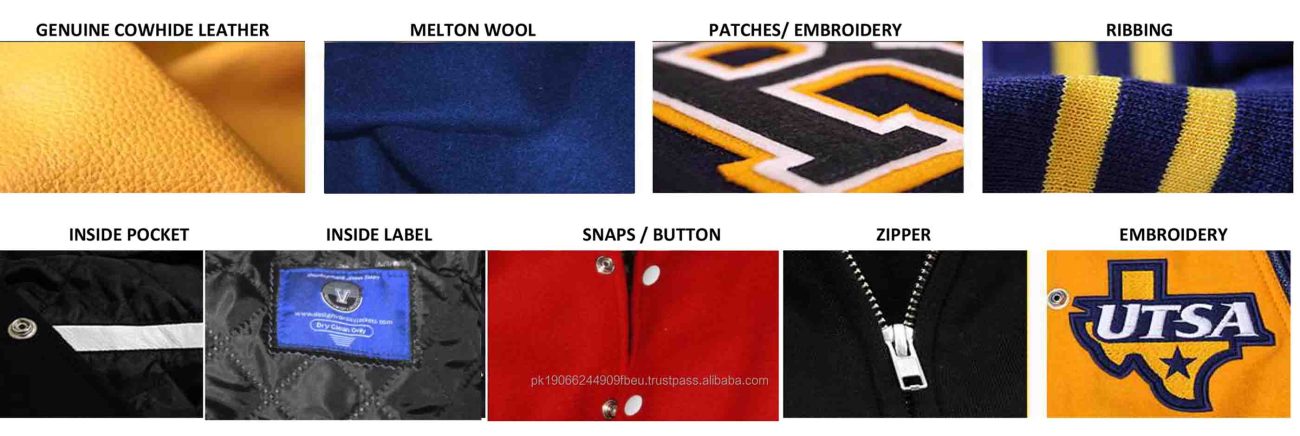
Do you have questions about the Material Quality of jacket construction? Message Our Experts
Beyond Warmth: Lining, Hardware, and Finish Details
The soul of a premium jacket lives in these often-overlooked details. They are the hallmarks of quality that separate a garment that simply looks good from one that feels exceptional and endures.
Linings: The interior experience matters. A slick satin lining is traditional, allowing for easy layering. A quilted lining (often of nylon or polyester taffeta) adds a subtle layer of insulation and a more structured, plush feel. For ultimate warmth, a flannel or microfleece lining can be specified, turning the jacket into a cozy capsule.
Hardware: Zippers, snaps, and buttons are the functional jewelry of a jacket. High-quality, self-repairing YKK zippers glide smoothly and resist jamming. Metal snaps and buttons, often custom-engraved, provide a satisfying tactile feel and superior durability compared to plastic. The choice of zipper pullers—from leather tabs to metal rings—adds a final touch of personalization.
Finishing: This is where craftsmanship shouts. Examine the stitching: high-quality jackets use strong, UV-resistant thread with a high stitch-per-inch count for durability and a clean appearance. The ribbing at the cuffs, collar, and waistband is crucial for sealing in warmth. A wool-rich blend ribbing will be more resilient and provide better insulation than a cheap acrylic alternative. On a personalized jacket, the precision of embroidered lettering or the raised texture of a chenille patch are direct results of this finishing excellence.
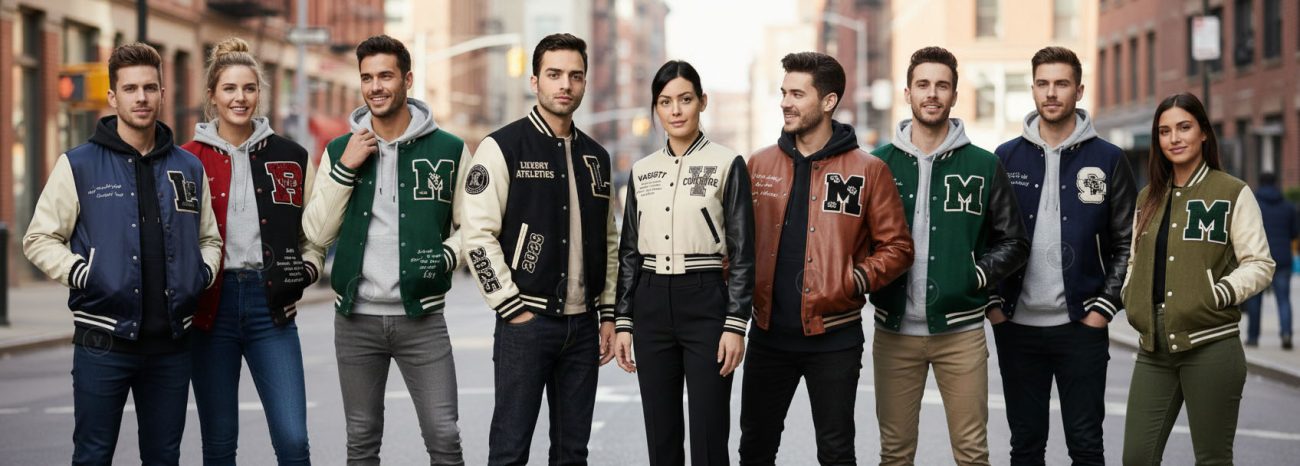
Unite your team with powerful custom apparel. Inquire about our streamlined Bulk Order services today.
Caring for Your Investment: Material-Specific Maintenance
A winter jacket is a significant investment. Proper care based on its materials will ensure it performs season after season, preserving both its function and beauty. The golden rule: always check the care label first.
-
Down-Filled Items: Use a front-loading washing machine (agitators can tear baffles) on gentle with a specific down soap (regular detergent can strip natural oils). Rinse thoroughly. Tumble dry on low with clean tennis balls or dryer balls to break up clumps until completely, utterly dry. This can take several hours.
-
Synthetic Insulation: Generally easier. Machine wash on gentle with mild detergent. Tumble dry on low or air dry. Avoid high heat, which can melt the fibers.
-
Wool Melton Bodies: Dry clean only is the standard and safest recommendation. Water, heat, and agitation can cause shrinkage and felting, permanently altering the jacket’s fit and finish.
-
Leather Sleeves/Accents: Wipe clean with a slightly damp cloth. For deeper cleaning or conditioning, use products specifically designed for garment leather. Allow to air dry away from direct heat sources.
-
Replenishing DWR: When water stops beading on your shell, it’s time to revive the DWR. Wash the jacket (following shell material instructions), then tumble dry on low for 20 minutes to “activate” the existing coating. If beading doesn’t return, apply a spray-on or wash-in DWR reproofer according to the product instructions.
Conclusion: Informed Style Meets Functional Warmth
Choosing the perfect winter jacket is an exercise in informed matching—aligning material properties with your environmental challenges and personal style. It’s the difference between being cold and damp and being comfortably protected from the elements. At Design Varsity Jackets, we fuse this material intelligence with a timeless, symbolic format. We believe you shouldn’t have to sacrifice technical competence for personal expression, or vice-versa.
Now armed with the knowledge of insulation loft, shell denier, and the synergy of a full material system, you are empowered. You can look beyond marketing terms and understand the why behind a garment’s construction. Whether you seek a classic, wool-and-leather letterman jacket steeped in tradition, a technically insulated baseball jacket for active winters, or a fully personalized jacket for your entire team, the principles remain the same. It’s about creating a piece that doesn’t just withstand the winter but does so on your own terms, reflecting your identity in every stitch and fiber.
Ready to apply this knowledge? Design your own winter-ready, material-perfect masterpiece. Begin your journey in our interactive Design Lab and see your choices come to life.
Are you outfitting a squad for the season? Explore our streamlined process for creating cohesive, high-performance teams jackets. Inquire today via our dedicated Bulk Order page.
See the tangible results of quality materials and craftsmanship. Browse our gallery of completed projects in our Portfolio and hear from our community in Google Reviews.