Blog
How to Sew Patches on Varsity Jackets

How to Sew Patches on Varsity Jackets: A Complete Guide for a Professional Finish
How to Sew Patches on Varsity Jackets
Learning How to Sew Patches on Varsity Jackets is a useful skill for anyone who wants to personalize a letterman jacket, celebrate achievements, or create a unique fashion piece. Whether you are adding school letters, team logos, championship patches, or decorative designs, properly attached patches can improve both the appearance and durability of your varsity jacket.
A carefully sewn patch creates a professional look while ensuring it stays securely attached through regular wear.
Why Sew Patches on Varsity Jackets?
Sewing patches is one of the most reliable ways to customize varsity jackets.
Benefits include:
- Stronger attachment than adhesive methods
- Long-lasting durability
- Professional appearance
- Ability to reposition before final stitching
- Better performance after washing
Sewn patches are especially recommended for jackets made with wool, leather sleeves, cotton, and heavy fabrics.
Types of Varsity Jacket Patches
Before learning how to attach patches, it helps to understand the different types available.
Chenille Patches
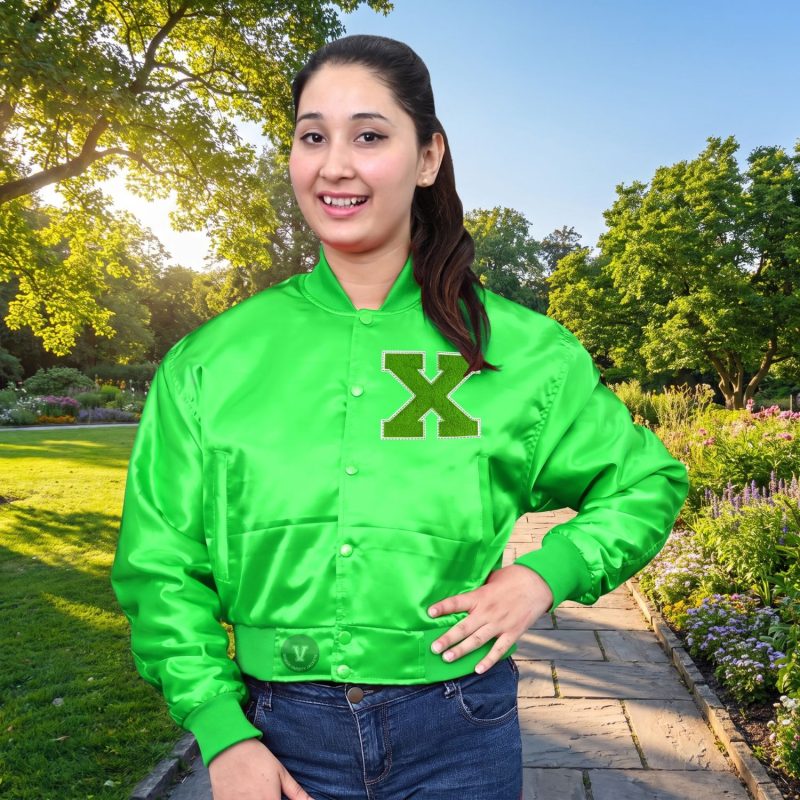
Chenille patches are the classic choice for varsity jackets.
Common uses include:
- School letters
- Team initials
- Graduation symbols
- Championship awards
They feature a raised, textured surface that creates the traditional letterman appearance.
Embroidered Patches
Embroidered patches provide detailed designs.
Popular options include:
- Logos
- Names
- Sports symbols
- Custom artwork
Printed Patches
Printed patches are useful for:
- Complex graphics
- Colorful artwork
- Modern designs
Achievement Patches
Often used for:
- Sports awards
- Academic achievements
- Club memberships
- Special accomplishments
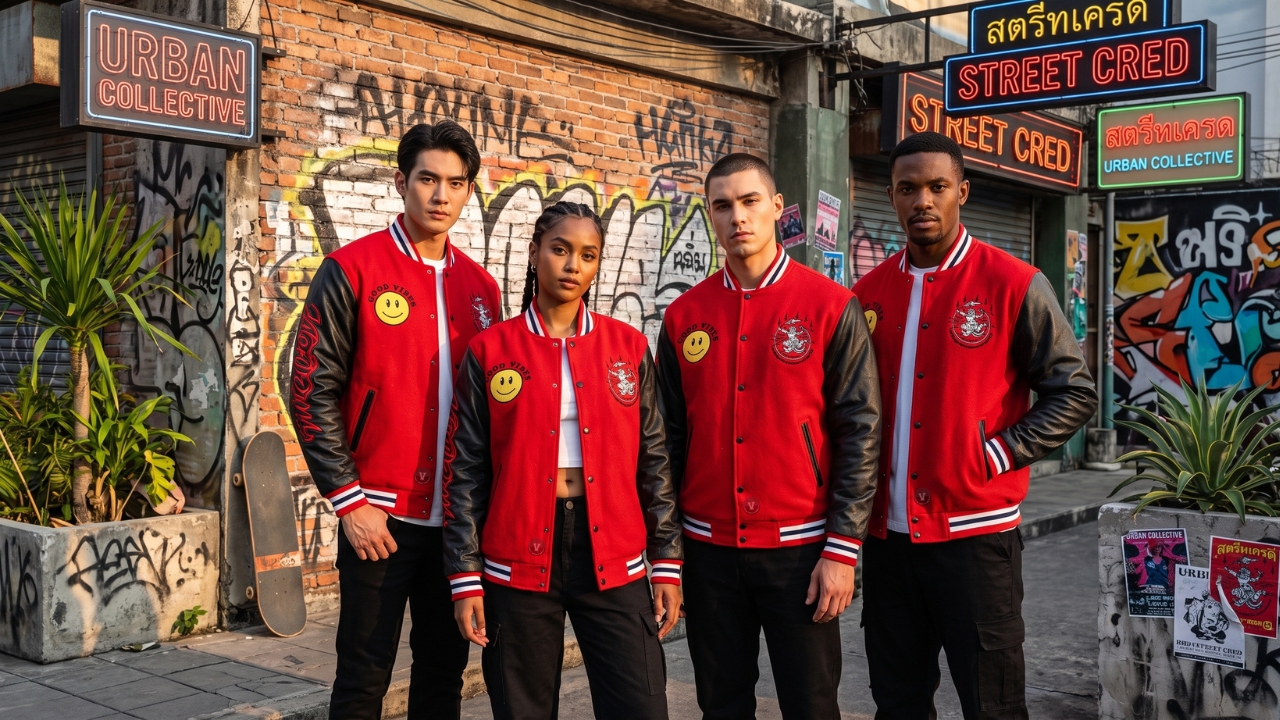
Tools Needed for Sewing Varsity Jacket Patches
Before starting, gather the necessary supplies.
You will need:
- Varsity jacket
- Patch
- Sewing needle
- Strong thread
- Scissors
- Pins or fabric clips
- Thimble
- Measuring tape
- Fabric marker
For thicker jackets, a heavy-duty needle is recommended.
Choosing the Right Thread
Thread selection affects the durability and appearance of your patch.
Recommended options include:
Polyester Thread
Advantages:
- Strong
- Flexible
- Resistant to breaking
Nylon Thread
Benefits:
- Extra durability
- Good for heavier fabrics
Matching Color Thread
Using a thread that matches the patch border creates a cleaner appearance.
Preparing the Patch Placement
Correct placement is important before sewing.
Common varsity jacket patch locations include:
Chest Area
Often used for:
- Small logos
- Initials
- Club symbols
Back Panel
Popular for:
- Large lettering
- Team names
- Large artwork
Sleeves
Common for:
- Achievement patches
- Numbers
- Decorative designs
Front Letter Area
Traditional placement for:
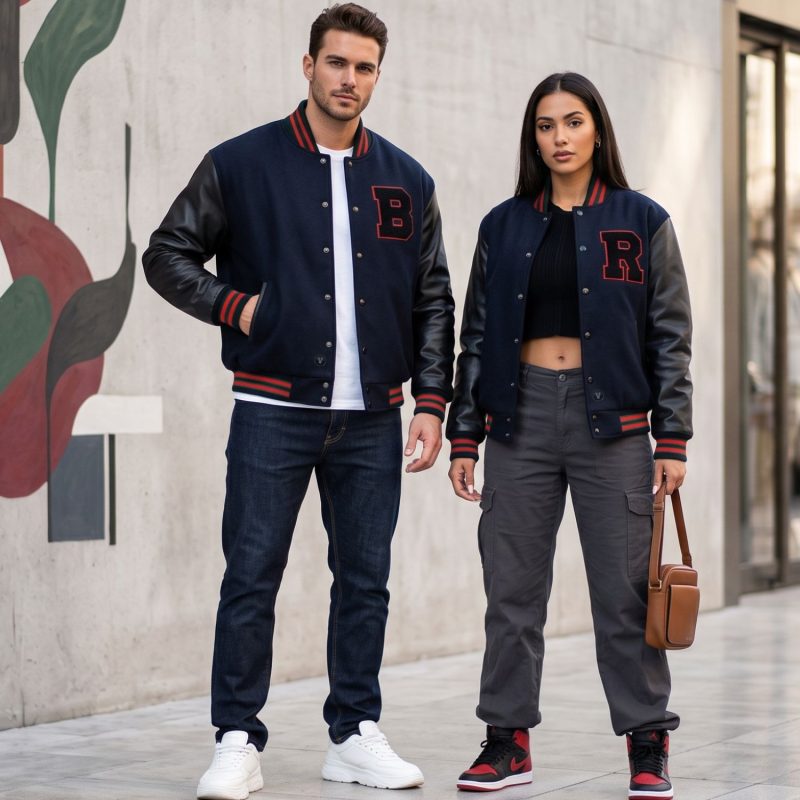
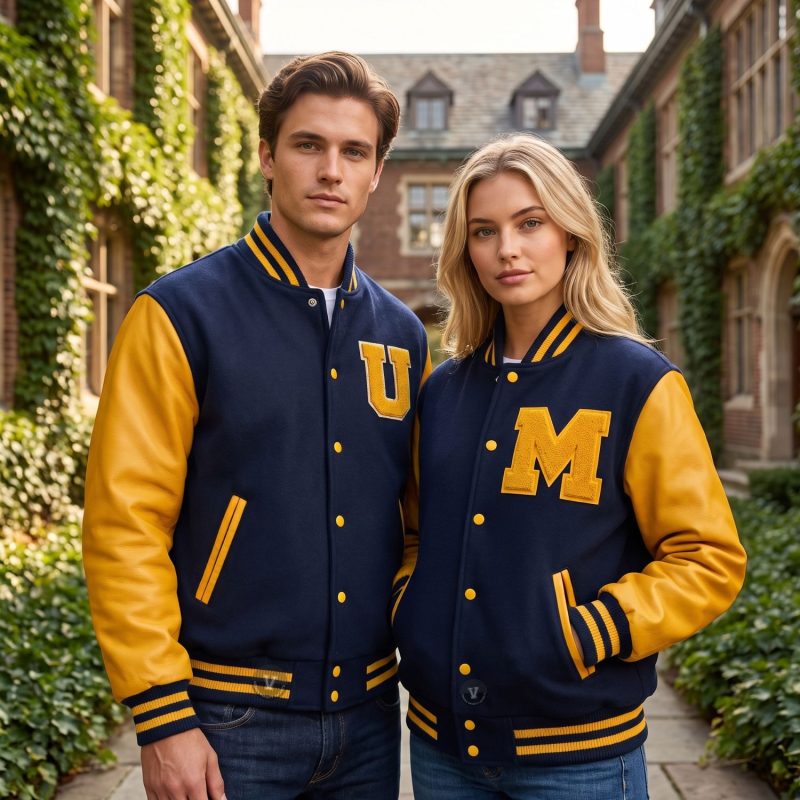
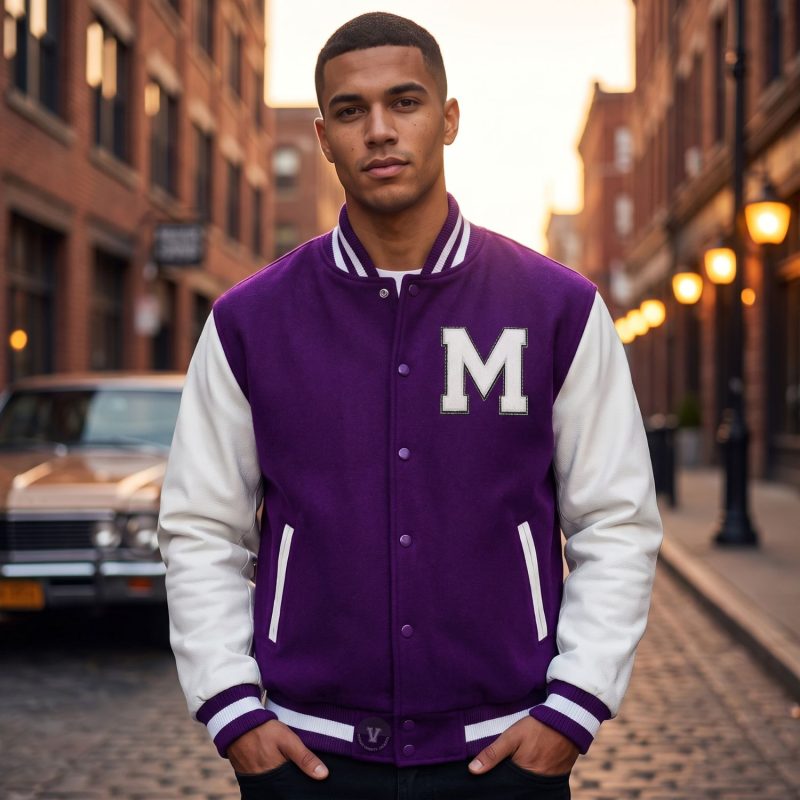
- Chenille letters
- School initials
Step-by-Step Guide: Sewing Patches on Varsity Jackets
Step 1: Position the Patch
Place the patch where you want it attached.
Check:
- Alignment
- Distance from seams
- Overall balance
Use pins or fabric clips to hold it temporarily.
Step 2: Mark the Placement
Lightly mark the patch outline if needed.
This helps maintain accurate positioning after removing pins.
Step 3: Select Your Stitch Method
Common stitching methods include:
Whip Stitch
A simple method where thread wraps around the patch edge.
Best for:
- Embroidered patches
- Small designs
Blanket Stitch
Creates a decorative and secure edge.
Best for:
- Thick patches
- Chenille patches
Straight Stitch
Works well for:
- Lightweight patches
- Clean edges
Step 4: Begin Sewing
Insert the needle from inside the jacket whenever possible.
This hides the knot and creates a cleaner finish.
Sew around the entire patch edge while keeping stitches:
- Even
- Tight
- Close together
Step 5: Secure the Thread
After completing the patch:
- Tie a strong knot
- Trim excess thread
- Check for loose edges
A secure finish prevents lifting or curling.
Sewing Chenille Letters on Varsity Jackets
Chenille letters require extra care because of their thickness.
Tips include:
- Use a strong needle
- Sew around the outer border
- Avoid pulling too tightly
- Keep spacing consistent
Many traditional varsity jackets use chenille letters because they provide a premium school-style appearance.
How to Sew Patches on Leather Sleeve Varsity Jackets
Leather sleeves require special attention.
Helpful tips:
- Use a leather-friendly needle
- Avoid unnecessary holes
- Use strong thread
- Sew carefully through thicker areas
For expensive leather varsity jackets, professional attachment may help prevent damage.
Hand Sewing vs Machine Sewing Patches
Both methods can work depending on the jacket and patch type.
Hand Sewing
Advantages:
- More control
- Better for delicate areas
- Easy for personal projects
Machine Sewing
Advantages:
- Faster
- Strong attachment
- Professional production quality
Manufacturers often use specialized machines for large varsity jacket orders.
Common Mistakes When Sewing Patches
Avoid these problems:
- Incorrect patch placement
- Weak thread
- Uneven stitching
- Pulling fabric too tightly
- Damaging leather sleeves
- Skipping reinforcement
Taking time during preparation improves the final result.
Caring for Patched Varsity Jackets
After attaching patches, proper care helps maintain the design.
Recommended practices:
- Follow cleaning instructions
- Avoid harsh washing
- Store properly
- Protect embroidery and patches
- Inspect stitching occasionally
Good maintenance keeps patches secure for years.
Custom Patch Options for Varsity Jackets
Professional manufacturers offer many patch styles.
Popular customization includes:
- Chenille letters
- Team logos
- School patches
- Name patches
- Championship patches
- Embroidered artwork
- Brand patches
- Custom symbols
These options allow complete personalization.
The Importance of Proper Patch Sewing on Varsity Jackets
Learning How to Sew Patches on Varsity Jackets helps you create a personalized jacket that looks professional and stays durable over time. Varsity jackets often represent important achievements, memories, teams, schools, and personal style, so attaching patches correctly is essential.
A poorly attached patch can loosen, wrinkle, or damage the jacket fabric, while a properly sewn patch can remain secure for years.
Preparing Your Varsity Jacket Before Sewing
Preparation is one of the most important steps before attaching any patch.
Before sewing, check:
- Jacket material
- Patch size
- Patch location
- Stitching area
- Fabric thickness
Clean the jacket surface and make sure the area is free from dust or wrinkles before beginning.
Choosing the Best Patch Location
Patch placement affects the overall appearance of your varsity jacket.
Front Chest Placement
Ideal for:
- Small logos
- Initials
- Club symbols
- Brand patches
Back Placement
Best for:
- Large team names
- School names
- Custom artwork
- Large chenille designs
Sleeve Placement
Commonly used for:
- Numbers
- Achievement patches
- Year patches
- Decorative symbols
Lower Front Area
Suitable for:
- Small achievement patches
- Personal designs
- Additional decorations
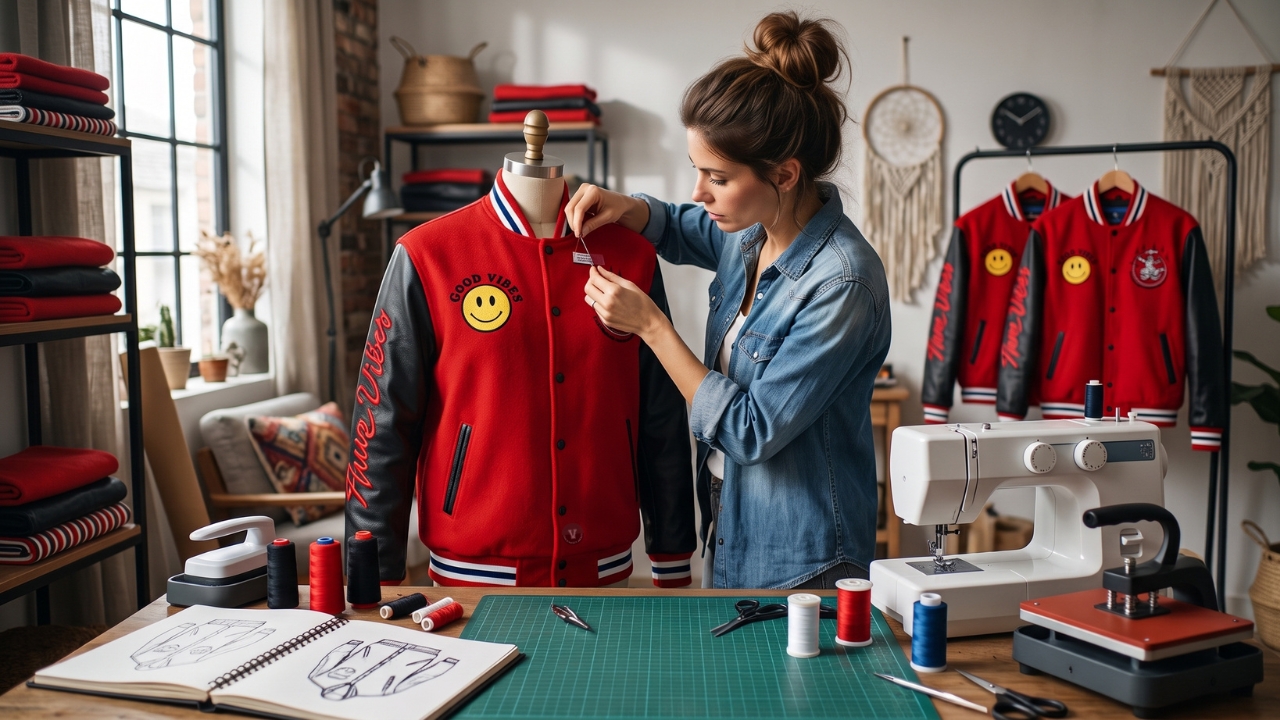
How to Arrange Multiple Patches on a Varsity Jacket
Many varsity jackets include multiple patches, so planning the layout is important.
Helpful tips include:
- Start with the largest patch first
- Balance designs on both sides
- Leave enough spacing between patches
- Avoid overcrowding
- Match colors carefully
A balanced patch arrangement creates a professional appearance.
Best Stitch Techniques for Varsity Jacket Patches
Different patches require different sewing approaches.
Edge Stitching
One of the most common methods.
Benefits:
- Secure attachment
- Clean appearance
- Works with many patch types
Hidden Stitching
Useful when you want:
- A cleaner exterior
- Less visible thread
- Premium appearance
Decorative Stitching
Used for:
- Fashion jackets
- Creative designs
- Handmade looks
How to Sew Thick Chenille Patches
Chenille patches are heavier than standard embroidered patches.
Recommended steps:
- Position the chenille patch carefully.
- Use a strong needle designed for thick fabrics.
- Sew around the border.
- Keep stitches evenly spaced.
- Secure the thread tightly.
Because chenille patches are commonly used for varsity letters, proper attachment is especially important.
Using Adhesive Before Sewing
Some people use temporary adhesive before stitching.
Benefits include:
- Easier positioning
- Prevents movement while sewing
- Helps achieve accurate placement
However, adhesive should support sewing—not replace it—because sewn patches provide better durability.
Hand Sewing Tips for Beginners
If you are sewing patches by hand:
- Use a sharp needle
- Keep thread tension consistent
- Avoid oversized stitches
- Work slowly around corners
- Secure knots properly
Patience creates a cleaner final result.
Machine Sewing Tips
Machine sewing is common for professional varsity jacket production.
Advantages include:
- Stronger stitching
- Faster application
- Consistent results
When using a sewing machine:
- Choose the correct needle
- Adjust stitch length
- Test on similar fabric first
- Avoid damaging leather areas
Sewing Patches on Different Varsity Jacket Materials
Wool Body Jackets
Wool requires:
- Strong needles
- Careful stitching
- Even pressure
Leather Sleeve Jackets
Leather requires extra caution because unnecessary holes can damage the material.
Use:
- Appropriate needles
- Strong thread
- Controlled stitching
Satin Jackets
Satin is lightweight and may require:
- Smaller stitches
- Gentle handling
- Proper stabilization
Cotton Jackets
Cotton is easier to sew and works well for most patch applications.
Common Patch Sewing Problems and Solutions
Patch Edges Lifting
Possible causes:
- Loose stitching
- Weak thread
- Large patch size
Solution:
- Add additional edge stitches
- Use stronger thread
Uneven Patch Placement
Solution:
- Measure before sewing
- Use temporary pins
- Check alignment from different angles
Fabric Pulling
Solution:
- Avoid overly tight stitches
- Match thread tension carefully
Professional-Looking Patch Arrangement Ideas
Popular varsity jacket designs include:
Classic Athletic Style
Includes:
- Large letter
- Team name
- Number patches
Vintage Style
Includes:
- Retro colors
- Old-school patches
- Traditional embroidery
Modern Streetwear Style
Includes:
- Oversized graphics
- Creative artwork
- Multiple decorative patches
Minimal Style
Includes:
- Small logo
- Simple initials
- Clean placement
How Long Do Sewn Varsity Jacket Patches Last?
A properly sewn patch can last many years when:
- Quality thread is used
- Stitching is secure
- The jacket is maintained properly
Professional stitching methods provide better durability than temporary attachment methods.
Removing or Replacing Varsity Jacket Patches
Sometimes patches need to be changed.
Before removing:
- Check stitching carefully
- Protect the jacket fabric
- Avoid cutting the material
After removal:
- Clean remaining threads
- Repair small holes if needed
- Apply the new patch carefully
Custom Patch Trends for Varsity Jackets
Modern varsity jackets feature many creative patch styles.
Popular trends include:
- Personalized initials
- Minimal logos
- Floral patches
- Cartoon-inspired artwork
- Travel patches
- Sports achievements
- Custom brand designs
These details allow each jacket to tell a unique story.
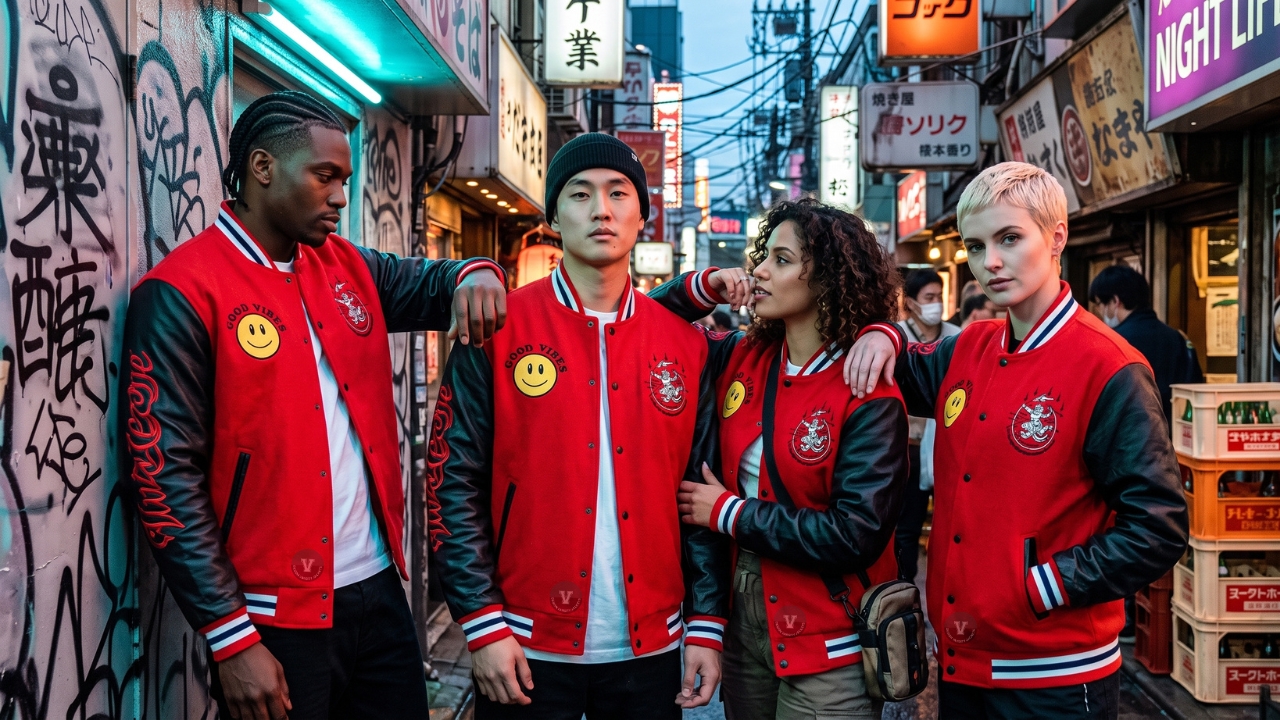
Why Choose DesignVarsityJackets.com?
DesignVarsityJackets.com specializes in creating custom varsity jackets with professional patch application for schools, colleges, sports teams, fashion brands, retailers, couples, and organizations throughout the United States.
Our Custom Patch Services Include
- Chenille varsity patches
- Embroidered patches
- Custom logos
- Team patches
- School patches
- Championship patches
- Name patches
- Sleeve patches
- Back panel designs
- Personalized varsity jackets
- Wool body leather sleeve jackets
- Satin varsity jackets
- Cotton varsity jackets
- Private label manufacturing
- OEM production
- Wholesale orders
- Low minimum quantities
- Fast turnaround times
- Reliable USA shipping
Our manufacturing team combines premium materials, detailed craftsmanship, and professional patch application to create high-quality varsity jackets.
Conclusion
Knowing How to Sew Patches on Varsity Jackets allows you to personalize your jacket while creating a durable and professional appearance. Whether adding a school letter, sports achievement, personal artwork, or fashion patch, proper placement and stitching techniques make a significant difference.
With the right tools, quality thread, and careful sewing, patches can transform a simple varsity jacket into a meaningful and stylish piece that lasts for years.
FAQs
How do you attach patches to a varsity jacket?
Patches can be attached by hand sewing, machine sewing, or professional stitching. Sewing provides the strongest and most durable attachment for varsity jackets.
Can you sew patches on leather sleeve varsity jackets?
Yes, patches can be sewn on leather sleeve varsity jackets, but extra care is needed to avoid damaging the leather. Using proper needles and stitching techniques is recommended.
What type of thread is best for varsity jacket patches?
Strong polyester or nylon thread is usually the best choice because it provides durability and helps keep patches securely attached.
Where should patches be placed on a varsity jacket?
Common patch locations include the chest, back panel, sleeves, and front letter area. Placement depends on the design and personal preference.
Can chenille patches be sewn onto varsity jackets?
Yes, chenille patches are commonly sewn onto varsity jackets. They require strong stitching because of their thicker, raised construction.
How long do sewn varsity jacket patches last?
With quality stitching and proper jacket care, sewn patches can remain attached for many years without losing their appearance.
Can I customize my own varsity jacket with patches?
Yes, you can customize varsity jackets with names, logos, letters, numbers, artwork, and achievement patches to create a personalized design.
Please don’t forget to leave a review.
For daily style inspiration, behind-the-scenes looks, and a community of fellow enthusiasts, join us on Instagram and Facebook.
Have specific questions about materials or timelines to prepare for the Boston cold?
Our team is here to help. Reach out directly on WhatsApp or through our Contact Us page. Shop now
Have more questions?
Our style experts are here to help.
Helpline – Design Varsity Jackets
WhatsApp: Message Now
Email:help@designvarsityjackets.com
Website:designvarsityjackets.com